US and Britain expected to drive further hikes in interest rates this week
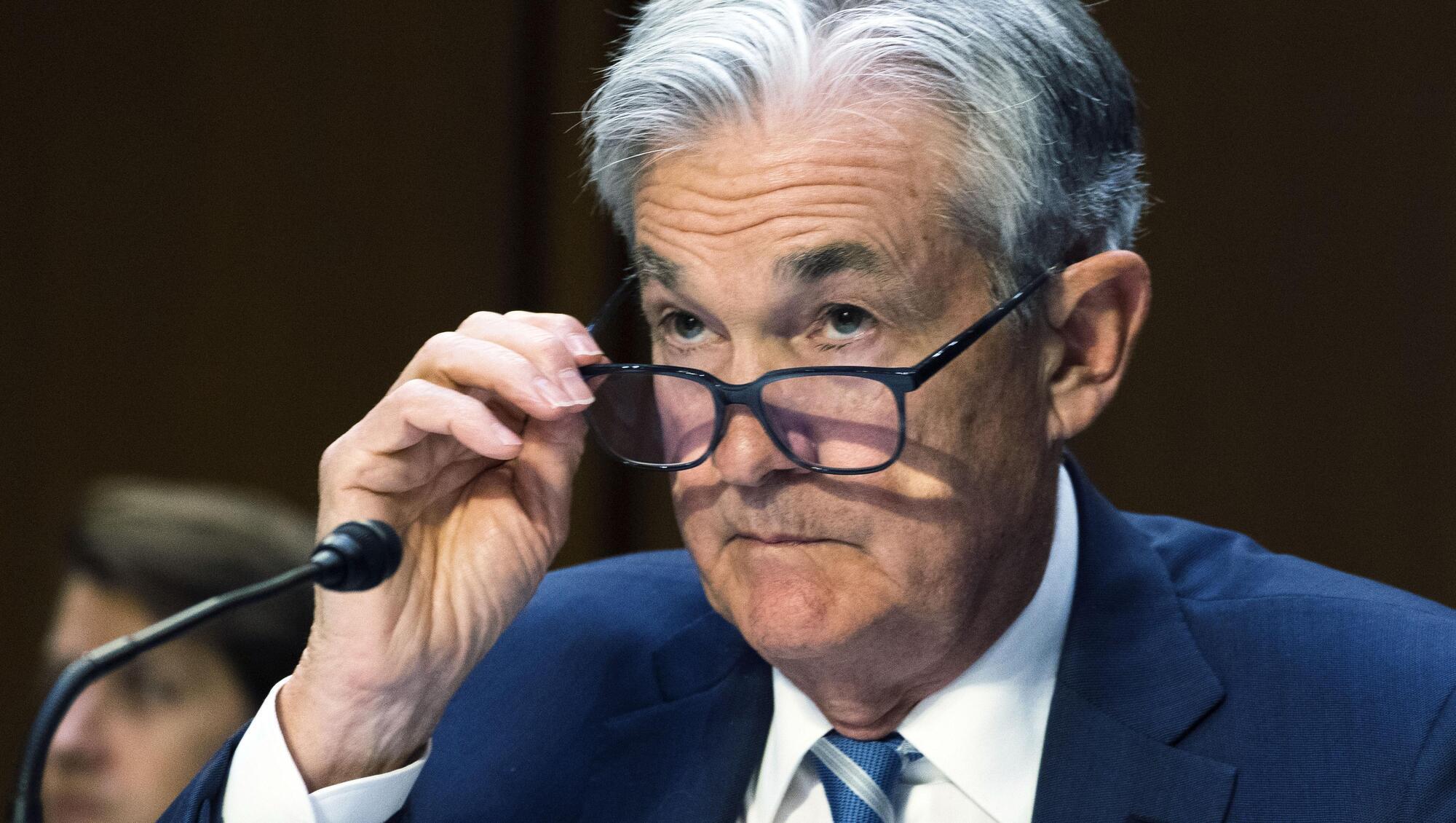
US Federal Reserve chairman Jerome Powell.
It is expected that the US Federal Reserve and a number of its global counterparts will launch a rapid-fire attack on inflation in the coming week as their commitment to bringing consumer prices under control gets ever more resolute.
Three days of central-bank decisions are expected to deliver large interest-rate hikes, with the potential for a bigger tally if officials opt for more aggression.
Starting the onslaught will be Sweden’s central bank, the Riksbank, on Tuesday, with policymakers anticipated by economists to accelerate tightening with a 75 basis-point, or three quarters of a point, move.
That’s just a prelude to the main event, when US officials are expected on Wednesday to raise borrowing costs by the same amount to keep up the pressure on resurgent inflation.
After another US consumer-price index report topping forecasts, some investors have even bet on a mammoth 100 basis-point hike.
Thursday will see the most widespread action. Central banks from the Philippines, through Indonesia and to Taiwan are all expected to raise rates, and then the focus shifts to Europe, with hikes of half a point or more predicted from the Swiss National Bank, Norges Bank, and the Bank of England.
Further south, the South Africa Reserve Bank will continue the efforts with a 75 basis-point move expected, and Egypt may act as well.
Three major central banks are likely to be conspicuously absent from the hiking fray, though. On Wednesday, Brazilian policymakers may pause after an unprecedented series of increases over the past 18 months.
The next day, Bank of Japan officials are likely to persist with an unchanged stance even as they worry about weakness in the yen. Then, their Turkish peers will probably continue their unorthodox approach of keeping rates low — despite inflation above 80%.
Elsewhere in the coming week, US housing data, a fiscal announcement from the new UK government, and Japanese inflation data will also draw the attention of investors.
While all eyes are focused squarely on the US Fed decision and chairman Jerome Powell’s press conference, the economic data calendar will provide clues about the impact from central bank tightening so far this year.
Reports on US housing starts for August and previously-owned-home sales are set for release Tuesday and Wednesday, respectively. US weekly jobless claims and S&P Global manufacturing and services surveys for September will round out a relatively quiet data week.
In Britain, after the funeral of Queen Elizabeth, monetary-policy business-as-usual will resume on Thursday in a decision delayed by a week to allow for mourning.
The Bank of England meeting will be the first opportunity for officials to respond to the altered outlook created by new prime minister Liz Truss’s efforts to contain the cost-of-living crisis, and sterling's drop to the lowest since 1985.
Economists predict at least a half-point rate increase as officials confront inflation that remains uncomfortably high.
The next day, new UK chancellor of the exchequer Kwasi Kwarteng will deliver a “fiscal event”, where he is expected to confirm plans to reverse a recent rise in national insurance and set out more detail about Ms Truss’s support package.
It has been an unprecedented start for Ms Truss, who was formally appointed by the queen just two days before she died on September 8. Her death was announced hours after Ms Truss unveiled a sweeping package of support for soaring energy bills, but much of the detail — including how firms can expect to benefit — has remained unpublished during the period of national mourning.
It is left the British public, as well as members of her ruling Conservative Party, with unanswered questions about how she plans to govern.
Ms Truss, who was foreign secretary under Boris Johnson, won the Tory contest to replace him as leader by appealing to the small-state, Thatcherite base of the party.
She promised lower taxes, slammed the “Treasury orthodoxy” she said was holding the country back, and hit out at the idea of “handouts” for people struggling.
Yet, in her first week in the job, she unveiled a massive intervention to contain energy prices that will cost British taxpayers billions.
Allies of Ms Truss say the plan provides cover for her to pursue the type of policies that will placate the ideological right of the party. As a die-hard libertarian, they are policies she believes in the most strongly, but are also seen as essential for party management, given her power base.