EU energy-crisis warnings worsen with need for solutions ‘right now’
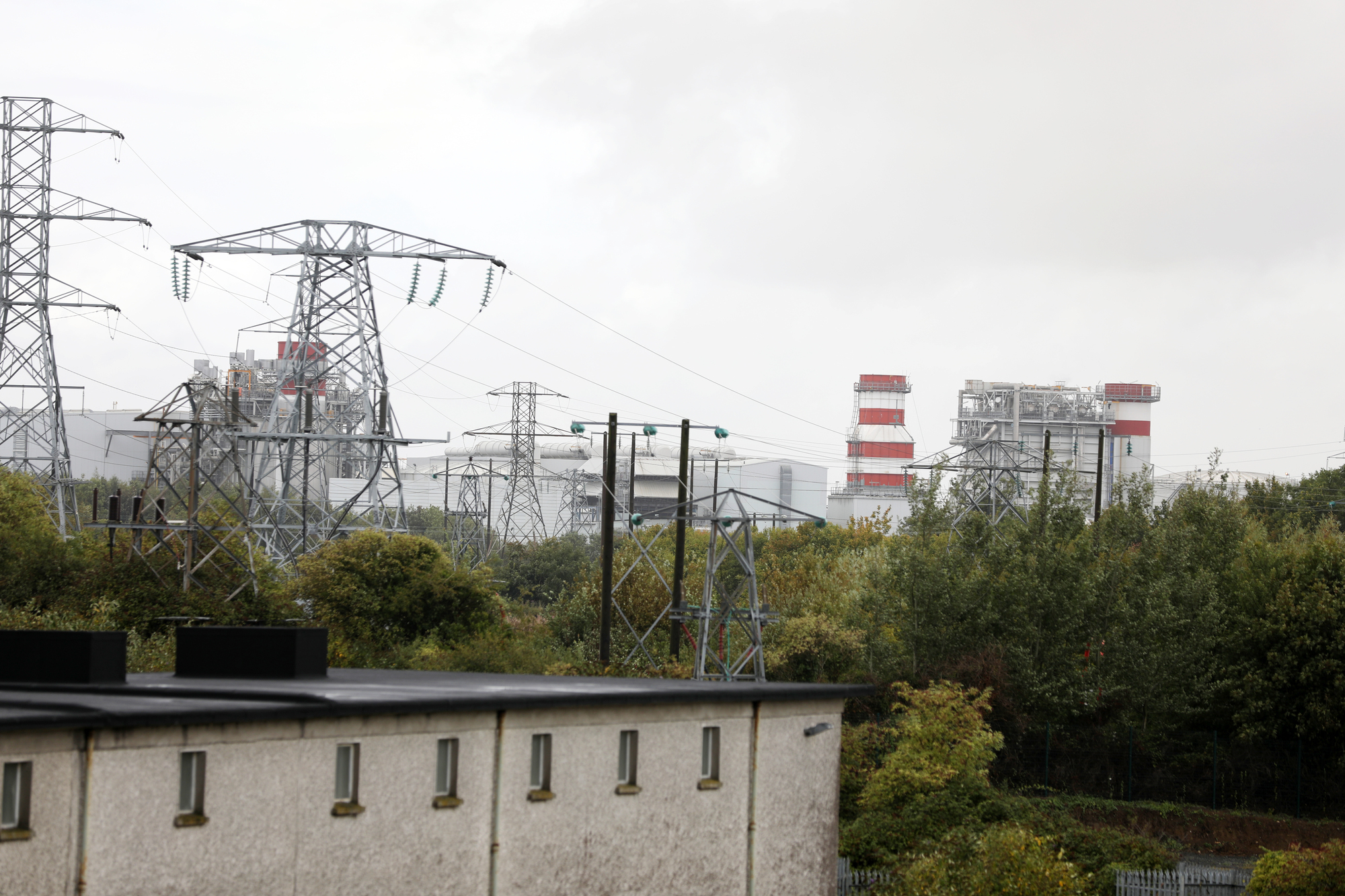
In recent months energy prices have soared with customers experiencing significant hikes in their energy bills. Picture: Sasko Lazarov/RollingNews.ie
The European Union is throwing together a series of radical plans to tame runaway energy prices and keep the lights on across the continent, but governments across the region are going to need to find common ground and fast.
As the bloc’s energy ministers gather in Brussels on Friday, they will be seeking to take the first political steps on ways to prevent Russian President Vladimir Putin’s cutoff of gas supplies from unleashing rationing, blackouts or even social unrest.
But as they try to stick together, governments also need to make sure their emergency intervention doesn’t accidentally cause chaos in the energy markets and make things even worse.
The challenge is to find solutions that can be applied across the region and still fit each of the 27 member states economies and national power systems, which are fed by varying energy sources.
Before the emergency meeting in Brussels, diplomats were converging on some general themes -- the need to break the dependency of power prices on gas and to help boost liquidity in the energy sector -- but remain deeply split over what exactly should be done and how. An agreement is expected to take several weeks at least.
Europe may not be able to wait long.
“This is not the moment to have principal debates on energy markets. We just need solutions right now,” said Marco Mensink, director general of the European chemical industry association Cefic. “The situation is very alarming -- this is about the future of industry in Europe. Companies are shutting production down as we speak, and with these prices, they will not reopen.”
Belgian Prime Minister Alexander De Croo issued an even more dire warning, saying that Europe cannot afford a debate that lasts two months.
“A few weeks like this and the European economy will just go into a full stop. Recovering from that is going to be much more complicated than intervening in gas markets today,” he said Thursday in an interview with Bloomberg News. “The risk of that is de-industrialization and severe risk of fundamental social unrest.”
Speed has never been the EU’s strength. Even fast-tracked measures take at least a couple of rounds of negotiations between government representatives before they are approved by ministers, translated into the bloc’s 24 languages and published.
And the bloc is just at the very early stages of devising plans. Detailed measures to limit the impact of the energy crisis have yet to be unveiled. Most will come after European Commission President Ursula von der Leyen holds her annual address to the European Parliament on Sept. 14 in Strasbourg, France.
Finnish Prime Minister Sanna Marin told the parliament on Thursday that an agreement on the emergency intervention plan will also need involvement by heads of government. EU leaders are scheduled to gather for an informal meeting in Prague on Oct. 6-7, with another summit scheduled in Brussels on Oct. 20-21.
Friday’s meeting of energy ministers will be the first chance for EU member nations to assess just how far apart they are on the biggest challenges.
- Bloomberg


CONNECT WITH US TODAY



Be the first to know the latest news and updates