Russia cuts gas via Nord Stream to 20% of capacity pushing prices higher
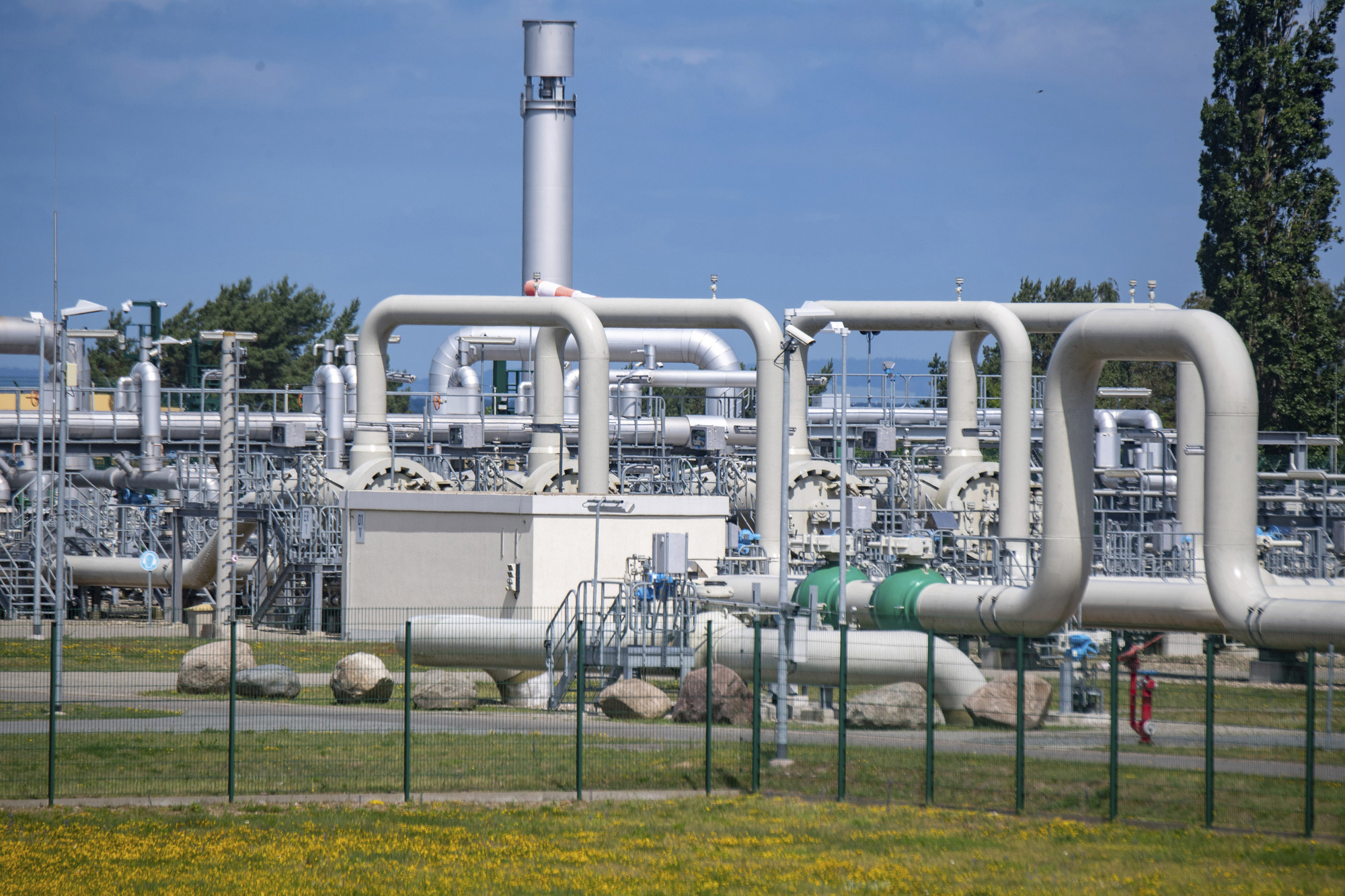
Supplies through Nord Stream fell to just 20% of capacity from Wednesday, according to German grid operators. The slump is already materialising in reduced deliveries to buyers.
Russia's Gazprom has cut gas supplies via Nord Stream 1, the most important link to the EU, to about 20% of the pipeline’s capacity, in a move that could test Western unity five months into the war.
European wholesale gas prices increased as much as 14%, and prices are more than 10 times higher than the usual level for this time of the year.
EU member states agreed earlier this week to cut their demand for gas by 15% over the next eight months.
The surge is crippling Europe’s industrial output, driving up household bills, and pushing inflation to the highest in decades. It has also fed through to the power market, with German futures rising to unprecedented levels, before easing on Wednesday.
The energy crisis reached a new level this summer as Moscow started to progressively cut flows through the Nord Stream pipeline to Germany, citing sanctions-related issues with a turbine. European leaders have accused Russia of weaponising supply, even as severe restrictions were placed on the country for its invasion of Ukraine that began in late February.
“We are in a situation in which gas is now part of Russian foreign policy and possibly part of its war strategy,” said Klaus Mueller, president of Germany’s federal network agency.
Supplies through Nord Stream fell to just 20% of capacity from Wednesday, according to German grid operators. The slump is already materialising in reduced deliveries to buyers, with Italy’s Eni saying its shipments from Russia will be about 21% less than in recent days.
Kremlin insiders are privately saying that the cuts are to pressure the West over sanctions.
Gazprom had warned the cuts were coming, saying a turbine needed to be taken down for maintenance.
Another similar piece of equipment that was stranded in Canada following repairs was heading back to Russia, but is yet to be pressed back into service.
“Gazprom is supplying as much gas as necessary and as much as possible,” Kremlin spokesman Dmitry Peskov said. “These sanctions don’t make it possible to promptly carry out technical maintenance, change spare parts, perform major repairs and other routine maintenance with equipment that are necessary for pumping,” he said.
He also raised the possibility that the pipeline could return to 40% capacity, the level at which it was operating before the latest cut, but added that “Gazprom can’t guarantee volumes if the imported equipment can’t be serviced because of European sanctions”.
Only one turbine is pumping gas into Nord Stream, when five should be functioning, according to Gazprom deputy chief Vitaly Markelov. There are still unresolved issues that prevent repairs of the turbines not currently in service, he said on Russian television.
Russian gas shipments via Ukraine, the only other major pipeline route to Europe, could fall from already low levels.
- Bloomberg