Fallout of British inflation at 9.4% raises recession fears
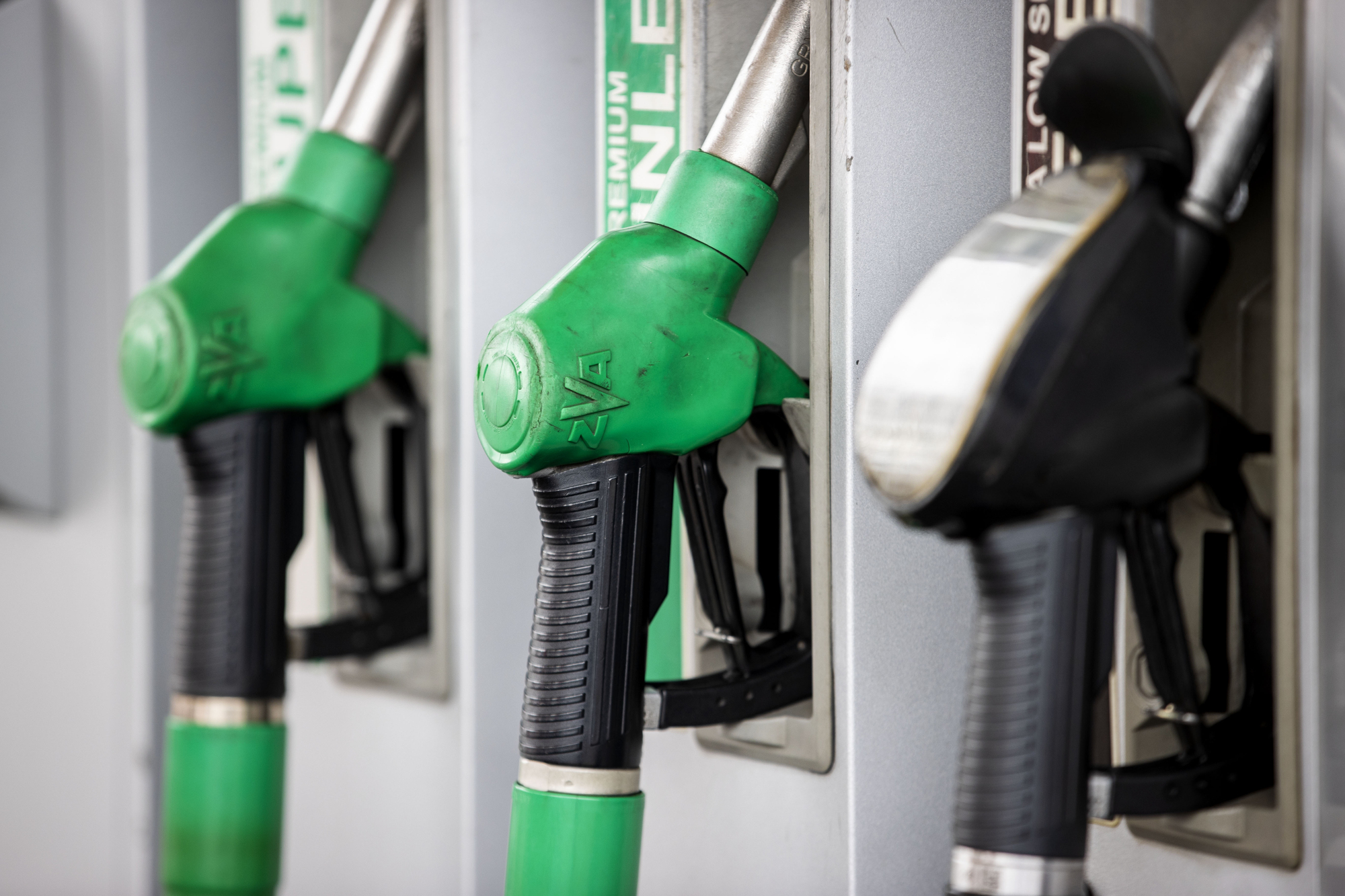
The acceleration from 9.1% in May was driven by a 9.3% surge in the price of motor fuel over the month.
British inflation hit a new 40-year high in June, intensifying the cost of living crisis and heaping pressure on the Bank of England to deliver an aggressive interest rate increase next month.
Consumer prices rose 9.4% from a year earlier, the biggest increase since February 1982, the UK's Office for National Statistics said. The acceleration from 9.1% in May was driven by a 9.3% surge in the price of motor fuel over the month. Irish inflation reached 9.1% in June, figures published last week showed.
Prices are now rising far more quickly than wages. The pain for households is set to get worse, with inflation forecast to top 11% in October when another energy price hike kicks in. Unions representing British public sector workers this week threatened further strikes after the government offered pay increases that amounted to a significant cut in real terms.
“Inflation is likely to stay high for the rest of this year, severely eating into strained household incomes,” said Anna Leach, deputy chief economist at the Confederation of British Industry.
“UK CPI inflation moved higher again in June thanks to rising food and fuel prices," said Dan Hanson, an economist at Bloomberg Economics. "The headline rate is unlikely to drop below 9% this year and is set to move into double figures in the winter," he said.
The tightening squeeze on consumer spending power is starting to sap growth, slowing the recovery from the pandemic. Finance directors of British companies are bracing for a more protracted downturn, with a survey by Deloitte showing many expect a recession.
“The intense cost of living squeeze means the risk of recession is high,” said Hussain Mehdi, macro strategist at HSBC Asset Management. Rising prices went beyond fuel into many segments of the economy, notably hospitality. Restaurants and accommodation rose by 8.6% in the year to June 2022, up from 7.6% in May.
Food and non-alcoholic beverage prices surged by 9.8% from a year ago, the most since March 2009.
The so-called core consumer price index, excluding food, drink, tobacco and energy, rose 5.8% from a year ago in June. That’s down from 6.2% in April. The CPI measure for all services rose by 5.2% to the highest in at least a decade.
Bank of England policy makers are worried that elevated inflation could become entrenched if rising wage and raw-material costs force companies to keep hiking prices.
In his annual Mansion House speech in London on Tuesday night, Bank of England governor Andrew Bailey floated the possibility of a half-point rate increase in August as the central bank steps up its battle to bring inflation back to the 2% target. If delivered, it would mark the first half-point increase since the Bank of England gained independence in 1997.
Officials have increased the benchmark rate five times since December.
CONNECT WITH US TODAY



Be the first to know the latest news and updates