Ronan Costello: Euro-dollar parity compounds inflation worries
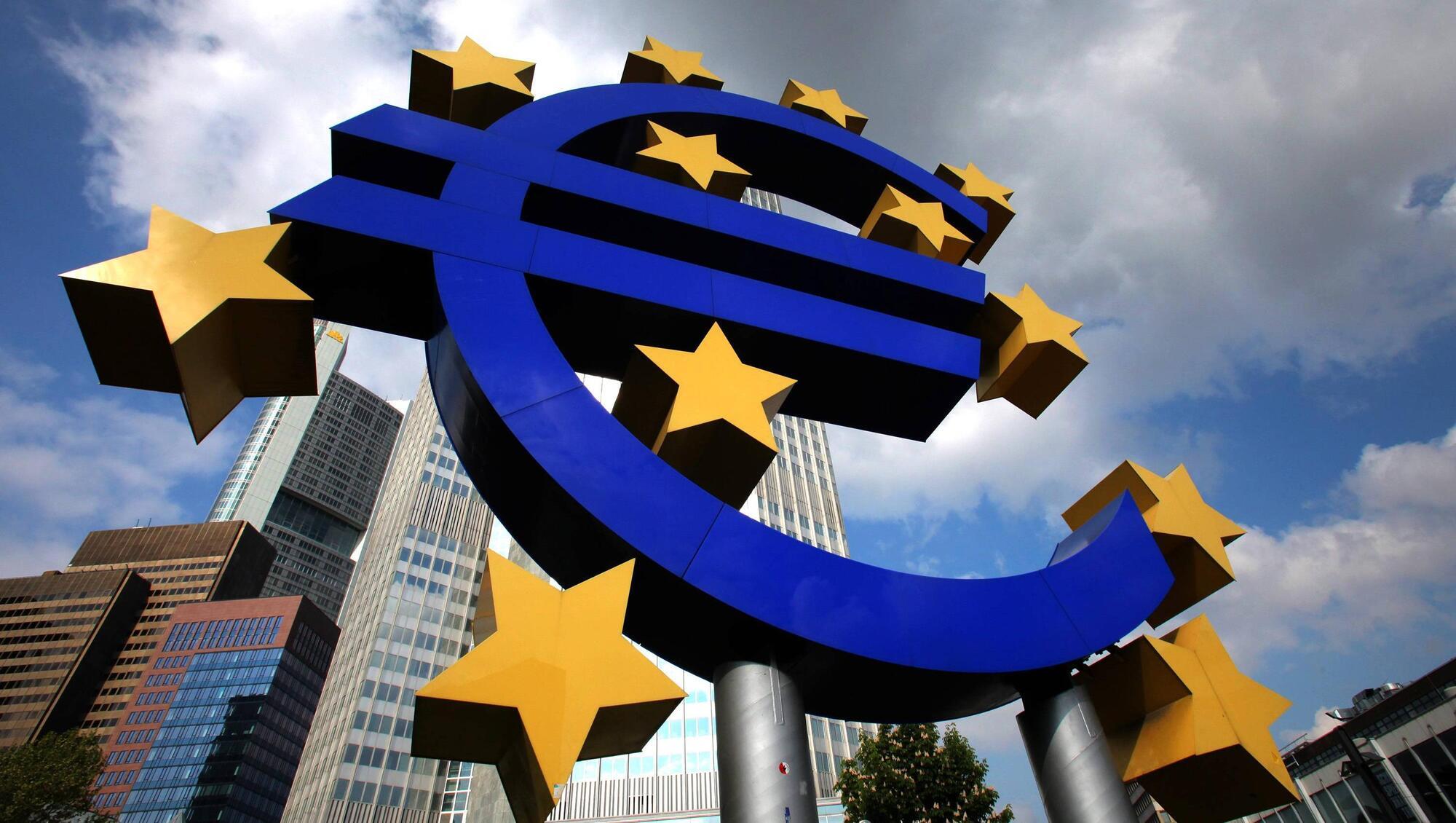
A 2016 study conducted by the ECB themselves into the link between inflation and exchange rates, notes the particular importance of the euro’s relationship with the dollar. Picture: Hannelore Foerster/Bloomberg via Getty Images
Last week, the euro traded at parity against the US dollar for the first time since 2002. This is an unwelcome development for Irish consumers and for the ECB, as it exacerbates an already intensifying inflation problem.
As the eurozone is a large net importer of commodities, which are priced in dollars, the EUR/USD exchange rate is by far the most important one for the ECB.
A 2016 study conducted by the ECB into the link between inflation and exchange rates, notes the particular importance of the euro’s relationship with the dollar.
In times of low inflation, the impact of currency fluctuation tends to be relatively benign, but in a high-inflation environment — particularly one driven by commodity prices — the relationship between the euro and the dollar is critical.
Europe’s inflation problem was initially sparked by Covid-related bottlenecks, and then compounded by the conflict in Ukraine.
These are events outside the control of the ECB, but the euro’s performance in currency markets is clearly a part of its remit.
According to the ECB’s report, dollar strength “tends to pass-through to import prices of food and energy quickly and completely”, and that is what we have seen in the last 12 months. The euro has depreciated 20% against the dollar, and inflation has spiked from an average rate of 1.4% over the last 10 years, to an eyewatering 8.6%.
In Ireland, we import an even higher percentage of our commodities than the eurozone average, and as a result, our annual inflation rate has ballooned to 9.6% — its highest level in 40 years.
This erosion of spending power has really started to bite Irish households. Price increases are now common across the full spectrum of goods and services, but have been particularly acute at the petrol pump and on the cost of gas and electricity.
The pace of economic cycles and developments tend to be quite pedestrian, but in relative terms this most recent change in dynamics has been rapid and dramatic.
After 10 years of under-shooting a 2% target, eurozone inflation is now running hot. The ECB’s challenge is not just to get it under control, but to do so without derailing the eurozone economy, or allowing fragmentation in sovereign bond markets, which could make it very expensive for lower-rated nations to borrow money.
It’s a tall order for ECB president Christine Lagarde and her team.
The ECB’s next policy meeting is on July 21, and it is expected to hike rates for the first time since 2011.
Lagarde, along with her chief economist Philip Lane, have guided the market towards a 0.25% increase, and the ECB has a long history of being relatively transparent and gradual when it comes to policy changes.
This is particularly the case when you consider the decisive action taken by the US Federal Reserve in recent months.
Under the leadership of Jerome Powell, the US Central Bank has already hiked interest rates by 1.5% this year, and is expected to hike rates by another 0.75%, or possibly 1%, at its July 27 meeting.
Powell and his fellow committee members have been very vocal in their determination to get inflation under control, even acknowledging that in doing so, they will likely cause some damage to the labour market and the growth outlook.
As a result of the Fed’s actions, the yield gap between the US and Europe has widened dramatically, and this is the main reason the dollar has significantly outperformed the euro over the last 12 months.
The ECB can’t afford to ignore this. It has some catching up to do — not just to tame inflation, but to halt the euro’s spiral lower against the dollar. Yes, it needs to plough its own furrow, but in a high-inflation environment, it must also guard against euro weakness, particularly against the dollar.
The ECB has traditionally favoured the conservative and gradual approach to monetary policy, and, in currency markets, it is passive.
It does not try to manipulate the value of the euro, or target a particular level. It acknowledges the importance of the euro’s strength or weakness, but emphasises the single-mindedness of its mandate. Inflation is its only target.
It is the “only needle in their compass”, as former ECB president Jean-Claude Trichet used to say. But with the needle spinning erratically, and euro weakness adding to the problem, will we now see the ECB dispense with its gradual approach?

CONNECT WITH US TODAY



Be the first to know the latest news and updates