Oliver Mangan: Mighty dollar has upper hand against euro in era of interest rate hikes
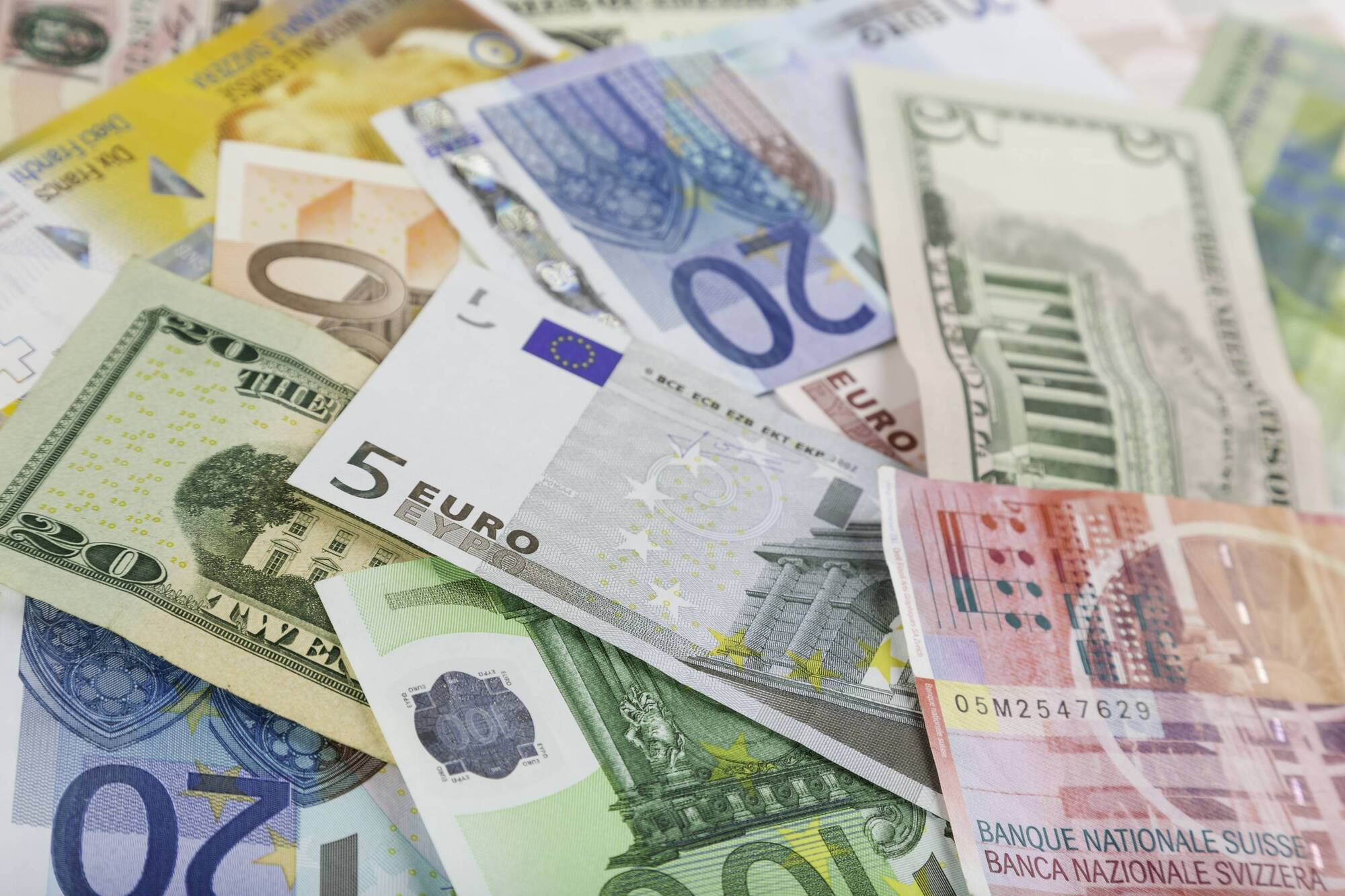
Major support levels in foreign exchange markets gave way this week, with the euro falling to 20-year lows against the dollar as the key rate of $1.04 failed to hold.

We saw another period of big moves across financial markets in recent days, with growing fears of recession the main catalyst.
Oil prices declined by close to 10% in a single day to fall back to $100 a barrel, but has since risen back above $105 a barrel. Meanwhile, downward pressure has emerged on some other commodity prices also recently as global growth slows, including copper and lumber, though commodity prices still remain elevated generally.
Indeed, gas prices spiked higher on the very day oil prices fell on concerns about major disruptions to supplies, with talk of gas rationing in Europe this winter. Meantime, stock markets remain very volatile while many fixed income markets are beset with very poor liquidity.
Amidst all this turmoil, the dollar, ever reliable in times of stress, remains in the ascendancy. Major support levels in foreign exchange markets gave way this week, with the euro falling to 20-year lows against the dollar as the key rate of $1.04 failed to hold.
Meanwhile, sterling fell below $1.20. While it has dropped below this level for short intervals in recent years, the UK currency has not traded below $1.20 for any sustained period of time since the mid-1980s.
The yen remains very weak, trading at levels against the dollar not seen since 1998. Dollar strength is broad based, with notable gains also made against the Canadian, Aussie, and Kiwi dollars in the past week.
It is not just a flight-to-quality of safe-haven flows into the world’s largest reserve and most liquid currency at a time of turmoil in financial markets that is driving the US dollar higher. Interest rate differentials are playing a key part also.
The US Federal Reserve is well on its way in terms of tightening policy, raising the funds rate to a range of 1.5% to 1.75%. It has indicated that further rate hikes of 75 basis points, or 0.75%, this month and 50 basis points in September can be expected, which would take US rates up to near 3%.
By contrast, the ECB has not even started to hike yet, with the deposit rate still at -0.5%. The Bank of Japan has indicated it will not be raising rates at all, while the Bank of England has only been slowly increasing rates in steps of 25 basis points so far.
With some signs of an easing in commodity prices and growing fears of a recession, markets are coming to the view that there may be only a limited tightening of monetary policy in many economies, outside of the US.
ECB rates are seen rising to just 0.75% by the end of the year, which would leave them well below US rates, which are expected to reach 3.25%.
The breach of support at $1.04 for the euro, opens the door for a fall to parity, or below for the euro against the dollar. The last time the euro dropped below parity, it spent almost three years there, over the period 2000-2002.
There is a risk of a repeat performance if the ECB at its council meeting next week, on July 21, fails to convince markets that significant rate hikes are in prospect to bring inflation back under control.
- Oliver Mangan is chief economist at AIB

CONNECT WITH US TODAY



Be the first to know the latest news and updates