Russian use of Section 110 shows 'gap' in IFSC regulation
Trinity College professor says tax scheme used to 'hide the source and ownership of assets'
Russian use of Section 110 shows 'gap' in IFSC regulation

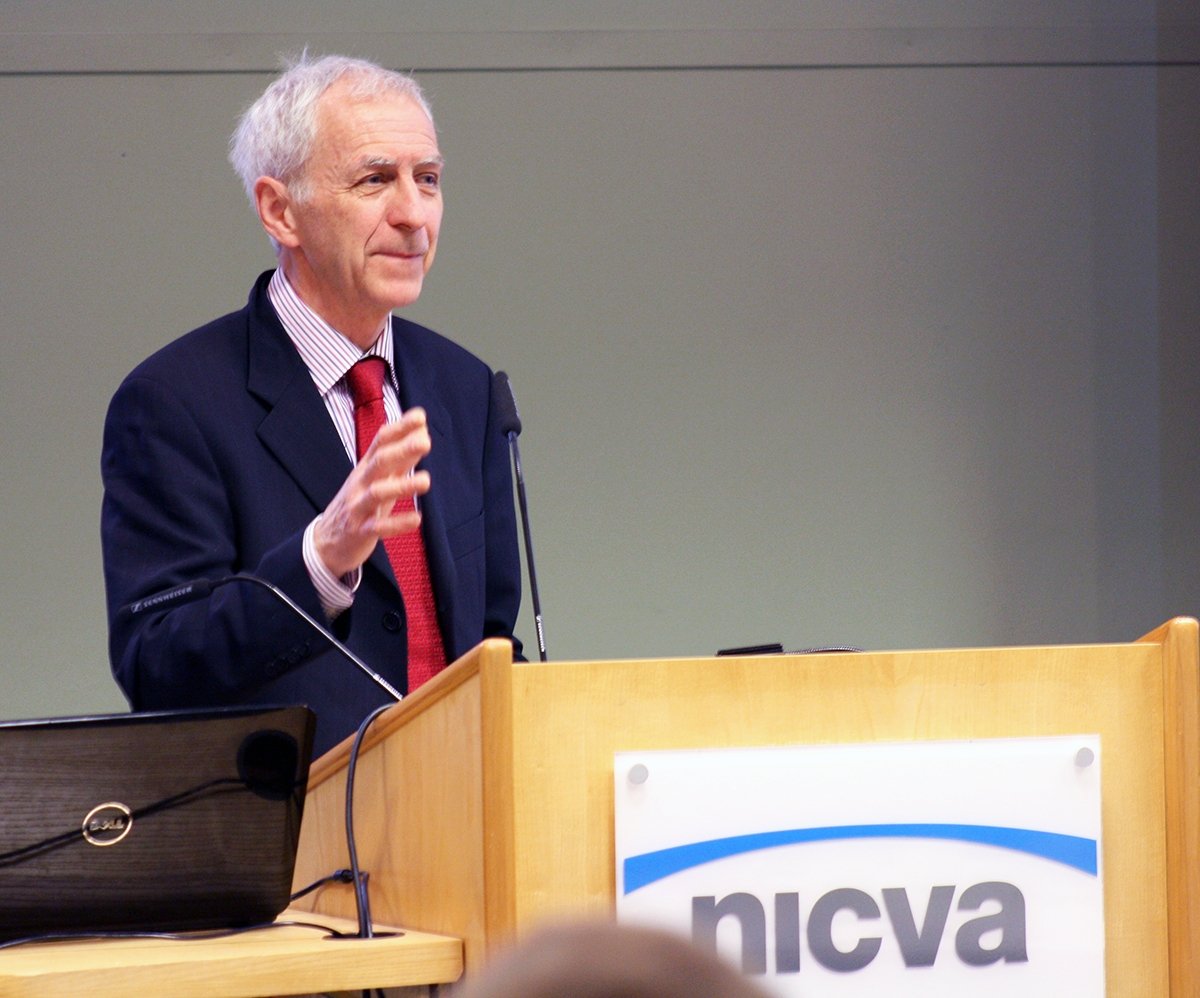
Prof Jim Stewart: 'In order to impose sanctions, governments rely on professional service firms such as corporate service providers to quickly identify the ultimate ownership of a company.'

Russian firms have domiciled billions of euro in the International Financial Services Centre (IFSC) through controversial structures for years, revealing a huge “gap” in regulation, according to Jim Stewart, adjunct finance professor at Trinity College Dublin.

Mr Stewart has been researching the use of the Irish Section 110 tax scheme by Russian firms for years and said some structures used under this scheme are “legal fictions”  used to “hide the source and ownership of assets”.

“In order to impose sanctions, governments rely on professional service firms such as corporate service providers to quickly identify the ultimate ownership of a company,” he said.

Bank workers in the IFSC in Dublin.

Prof Stewart said a full inventory would be very useful because the number of Russian firms and individuals subject to sanctions including the freezing of assets is likely to be extended in light of the war in Ukraine. In addition, assets may not be just frozen but confiscated.


However, more regulation is needed for the IFSC so that these firms can be tracked and sanctioned effectively.

“I think there’s certainly a case that there’s relatively light-touch regulation. And that’s a problem, not just for the IFSC, but also in other countries as well, unfortunately," Prof Stewart said. 

Because Ireland is a small country, and the IFSC is very large, it would cost a huge amount of money and need considerable legal resources to properly regulate some or all of the activities in the IFSC

The regulation needed for the IFSC would need to come from a European level, he said, as the Central Bank is not responsible for regulating Section 110 firms.

“Who is actually responsible for regulating Section 110 firms? It seems to fall between a number of different stools," Prof Stewart said.

The problem really relates to the huge size and range of activities being performed in the IFSC, it would take a huge amount of resources to properly regulate all these activities

He suggested that the European Central Bank or some other agency should become responsible for regulating financial firms.

“I think the European Union is moving in this sort of direction.”

The value of Russian assets held in controversial structures commonly used at the IFSC was over €34bn last year, according to analysis. Russian-sponsored “other special purpose entities” set up in Ireland had assets valued at nearly €34.3bn in the third quarter of last year. 

Tax benefits

Prof Stewart also said there were very valuable tax benefits from being a ‘Section 110’ firm.

“Interest paid abroad is tax free, while interest paid in Ireland is tax deductible. This is because interest payments may vary [and become a distribution of profits] and are treated as a dividend when paid abroad.”

It is estimated that 50% of the total financial wealth of Russia is held offshore, said Prof Stewart while speaking at an Oireachtas committee on finance, public expenditure and reform.

x

More in this section

The Business Hub

Newsletter

News and analysis on business, money and jobs from Munster and beyond by our expert team of business writers.

Cookie Policy Privacy Policy Brand Safety FAQ Help Contact Us Terms and Conditions

© Examiner Echo Group Limited