Builders refuse fixed-price contracts as material costs soar
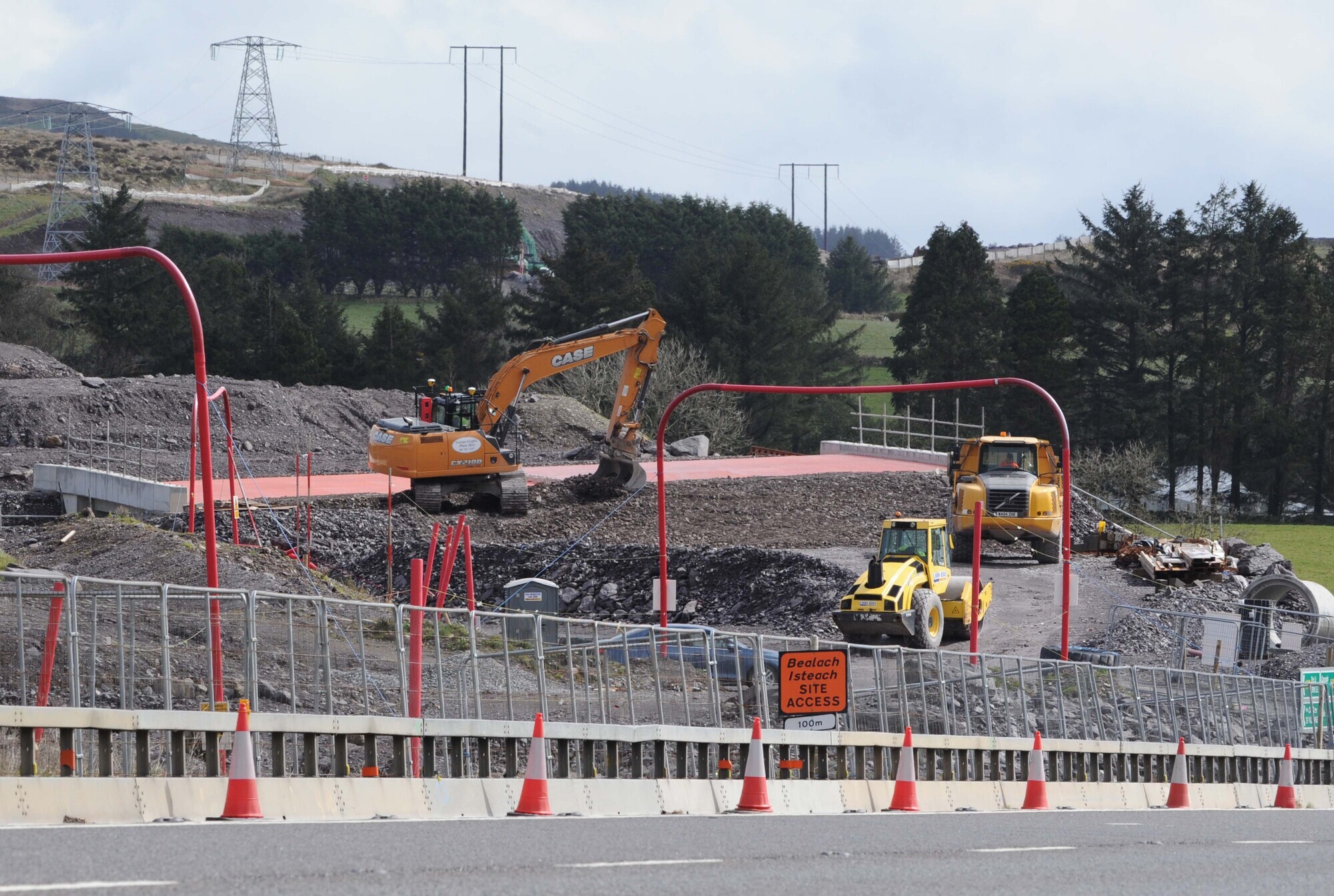
Recent CSO figures show a further rise in the price of steel, cement, and sand. Picture: Denis Minihane
Nine out of 10 construction companies say they are unwilling to take on fixed-price contracts given the daily rise in the cost of construction materials, a new survey from the Construction Industry Federation (CIF) shows.
The industry body said the results give further support for their call for the urgent reform of the public works contract.
The survey also found that construction companies see no immediate relief in the short term from rising prices, with 91% believing the economic sanctions arising from the conflict in Ukraine will see a further rise in construction costs over the next three months, while 85% said they expect the price of construction projects to increase during that period.
“Nine out of 10 construction companies, which represents the vast majority of the industry, will not tender for fixed-price contracts while these increases continue," CIF director general Tom Parlon said.
"It is practically impossible to estimate where costs are going to go based on the levels of inflation we have seen in the industry over the last 18 months and especially since the turn of the year."
Most recent figures from the Central Statistics Office (CSO) show a further rise of more than 20% in the price of structural steel between March and April.
While the price of timber remained flat in the same period, there were also increases in the price of cement, up 6.3%, and a 3.7% increase in the price of sand and gravel.
Earlier this month in response to fears that a number of major public works contracts including new schools and road projects would not proceed, the Government announced plans to bear 70% of the inflationary cost on public project payments made since January 1.
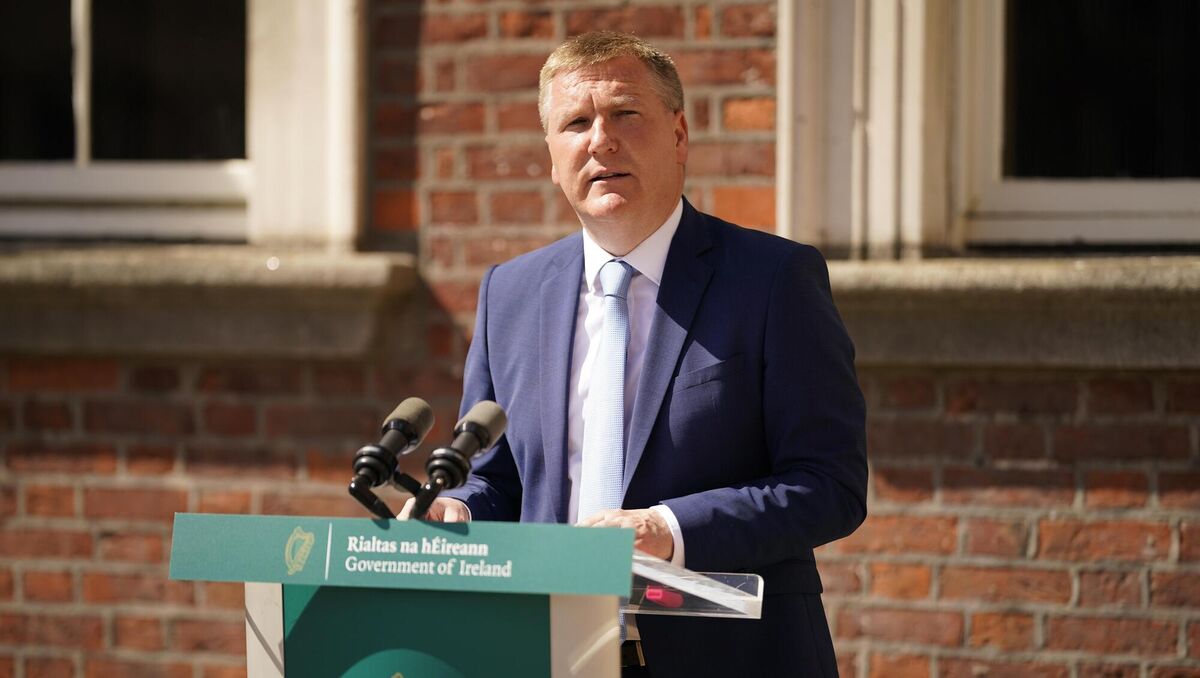
Public Expenditure and Reform Minister Michael McGrath said the action was needed to safeguard public projects that are already under construction and to reduce the risk of significant losses being sustained by contractors.
"I am conscious of the difficulties being experienced by public bodies in progressing their projects and the ability to deliver the wider National Development Plan (NDP) whilst at the same time I need to maximise value for money for the taxpayer," he said.
However, the CIF survey shows 89% of construction companies want to see the Government introduce a fair price variation clause into public-sector contracts, which would apply retrospectively.
Mr Parlon said there was an urgent need to reform the public works tendering process. "There is a clear view in the industry that this needs to happen," he said. "Until that is tackled, issues around public tendering will continue, which is likely to have a knock-on impact on the advancement of the Government’s various construction programmes."
The Construction Outlook Survey received responses from 342 CIF member companies.
Other points of interest from the survey include almost four out of 10 construction companies (38%) saying their turnover increased in the last three months, with a similar number (39%) expecting a further increase over the next three months.
While one in three construction companies (32%) also expect to grow their levels of employment over the next three months, three out of four construction companies (75%) believe the sector would benefit from attracting more women to work in the industry.

CONNECT WITH US TODAY



Be the first to know the latest news and updates