Concerns for Irish exporters as risk of recession in Britain increases
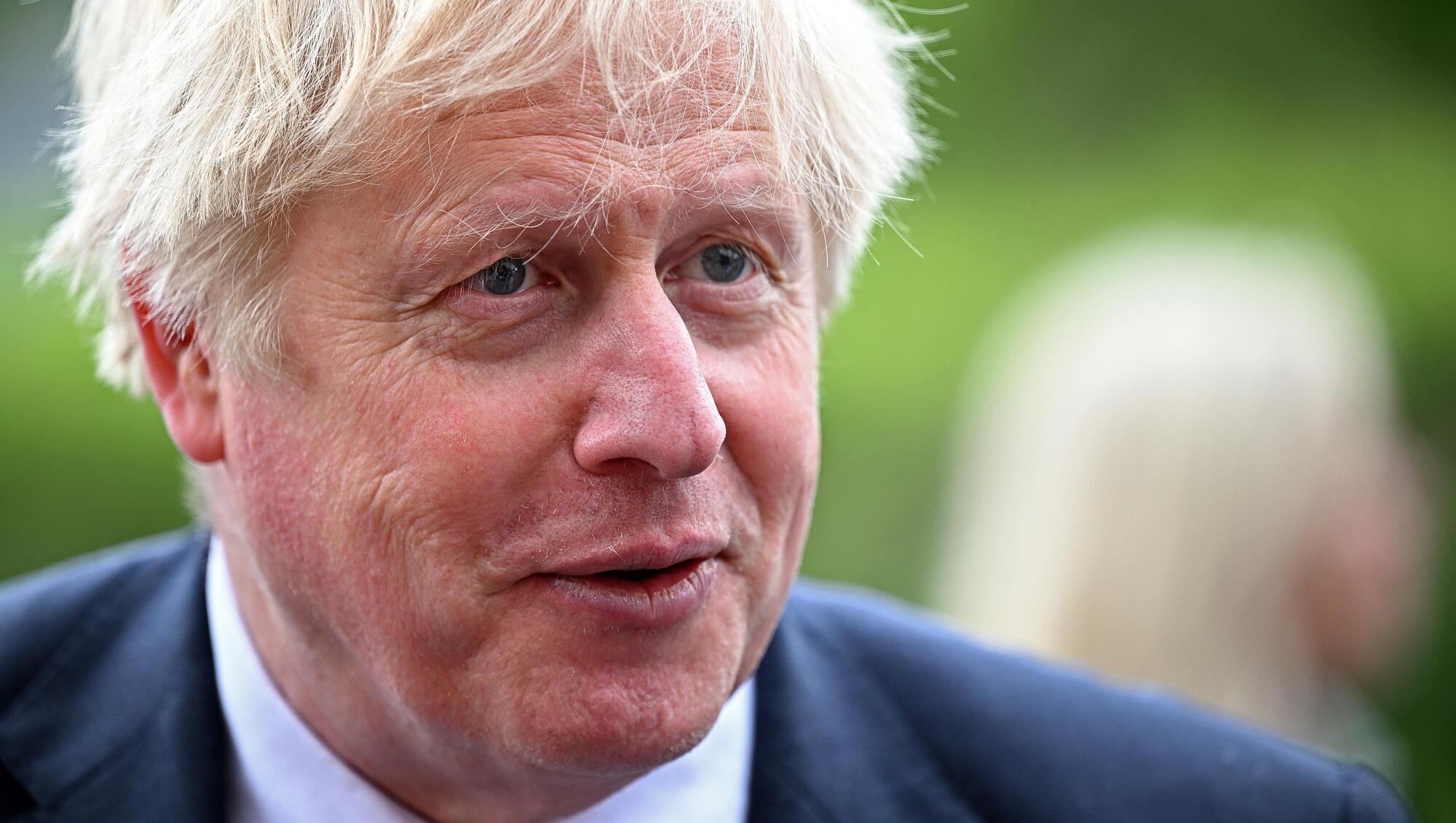
Political instability surrounding British prime minister Boris Johnson seen also bearing down on the UK economy.
Irish firms exporting across the Irish Sea will be watching closely as new figures show the British economy unexpectedly contracted in March, increasing the risk of recession there later this year.
Britain remains an important market for Irish-owned companies, employing a large number of people despite many large exporters diversifying to other markets since the Brexit referendum almost six years ago.
British GDP fell only slightly, down by 0.1% from February, hurt by a slump in car sales due to global supply-chain problems, official figures show. However, the sharp reversal has reignited fears that the UK mired in the cost-of-living crisis will head into recession should consumers significantly cut spending in the coming months.
That has also raised concerns about the large number of Irish companies which rely on the British market.
"The external threats are awful at the moment, though so far the Irish economy has been immune," said economist Jim Power.
Mr Power said Ireland still sells many goods and services in Britain, and that any recession in the UK would also affect the number of UK holidaymakers coming to Ireland.
Professor Edgar Morgenroth at DCU Business School said that political instability was also bearing down on the UK.
"Putting all of those things together, you could easily make a case for a recession in the UK," Mr Morgenroth said.
Britain's contraction of GDP in March marked a weak end to the first quarter of a year and has increased pressure on the UK government to offer more support to inflation-hit households.
The January-March period is likely to mark a high point for the year, with households facing their biggest squeeze on disposable income in decades as the policy dilemma facing the Bank of England on keeping a lid on inflation.
British prime minister Boris Johnson said his government would "do things" in the short term to help households with a cost-of-living crisis, without going into any details on what the measures could be.
CONNECT WITH US TODAY



Be the first to know the latest news and updates