The cost of switching off Russian gas keeps on rising
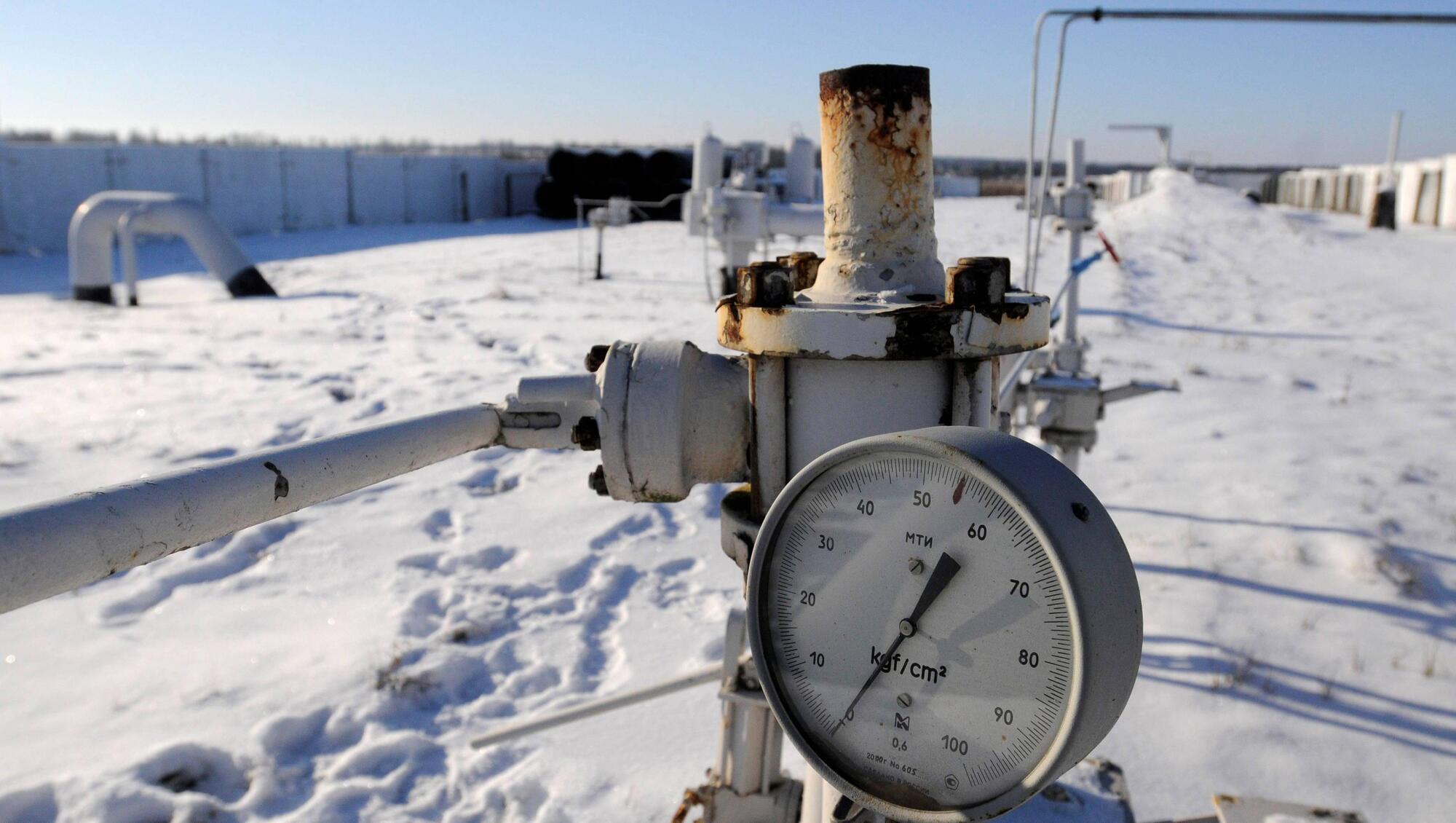
Before the invasion of Ukraine, Russian gas was relatively cheap, easy to transport and in ample supply.
Europe’s ambitious timetable for building its way out of a dependence on Russian energy faces potential delays and billions of euros in extra costs as the war in Ukraine makes steel, copper and aluminum scarce and more expensive.
A rush to replace Russian fossil fuels is prompting the continent to focus on shoring up flows of liquefied natural gas (LNG) in the near term and increasing generation from renewable sources by 2030. Germany pledges to build two LNG terminals, France wants to resume talks with Spain about a connecting pipeline, and the UK seeks more homegrown wind, solar and nuclear power.
Yet prices for the necessary materials keep heading in one direction. Steel, copper and aluminum each touched records in the past 12 months, and the spikes threaten to slow such undertakings as the EU’s blueprint to almost triple wind and solar capacity this decade - a colossal investment that could require about 52 million tons of steel alone.
“This war has an impact, of course, on all those companies, including us, that are on the doorstep of making quite large-sized investments,” said Fred van Beers, chief executive officer of SIF Holding, which makes steel platforms for wind turbines. “It’s putting our business case upside down,” he said.
Before the invasion, Russian gas was relatively cheap, easy to transport and in ample supply. Those factors, plus the anticipated opening of the Nord Stream 2 pipeline to Germany, helped persuade Europe to reduce its own production.
The EU imported about 155 billion cubic meters of gas from Russia last year, according to the International Energy Agency. In the aftermath of war, the EU wants to cut dependency by two-thirds this year.
About 30 billion cubic meters can be replaced by other suppliers, with the difference made up by renewables, nuclear and changes in consumption, the IEA said. For the EU, the price for the infrastructure may be as much as 20% higher than before the war started, said Grant Sporre, an analyst at Bloomberg Intelligence. The European Commission’s transition plan involves installing 290 gigawatts of wind and 250GW of solar. The bill just for the steel amounts to €65bn at current market prices.
Russia and Ukraine are among the biggest exporters of steel slabs used in building turbines and gas pipelines. While alternative sources are possible, costs for those are 50% higher than normal, according to Rysted Energy. Compounding the problem is China’s decision to lock down its steelmaking hub of Tangshan in an effort to control a Covid-19 outbreak.
Copper is another vital ingredient, with high conductivity that’s ideal for internal wiring and external cables. Europe requires about 7.7 million tons to meet its 2030 target, and this year’s rally adds about €6.9bn to the price tag, according to Bank of America.
Then there’s the aluminum needed for solar panels, turbines, and the grids they connect with. Europe has a critical shortage because production dropped after soaring power costs reduced smelting profits.
Russia is the largest producer outside China, with its refined aluminum accounting for about 5% of global production. Prices rocketed to a record in March. The risk that Russia’s shipments could be throttled by potential sanctions helped fuel those increases.
“The world might have to get by without Russian supplies,” Andrew Forrest, chairman and founder of Fortescue Group Metals, said. “It is certainly doable, but there’ll be an adjustment period,” he said.
More grids will be needed to deliver huge amounts of renewable generation to where the electricity is needed.
But it’s not just about clean infrastructure. LNG is getting a boost with Germany’s plans for two new terminals as soon as this year and the Netherlands securing a floating storage and regasification unit in March. Italy and Estonia are pushing to swiftly set up theirs, too.
The UK and France are plotting a vast expansion of nuclear power. About 230,000 tons of steel reinforcement will be used in building Electricite de France’s Hinkley Point C in southwest England, and plans are being rolled out for other reactors.
“Everyone is talking about accelerating the energy transition, and everyone will need the same materials,” said Julian Kettle, senior vice president for metals and mining at Wood Mackenzie.
CONNECT WITH US TODAY



Be the first to know the latest news and updates