Consumer confidence eroded by surge in the cost of living
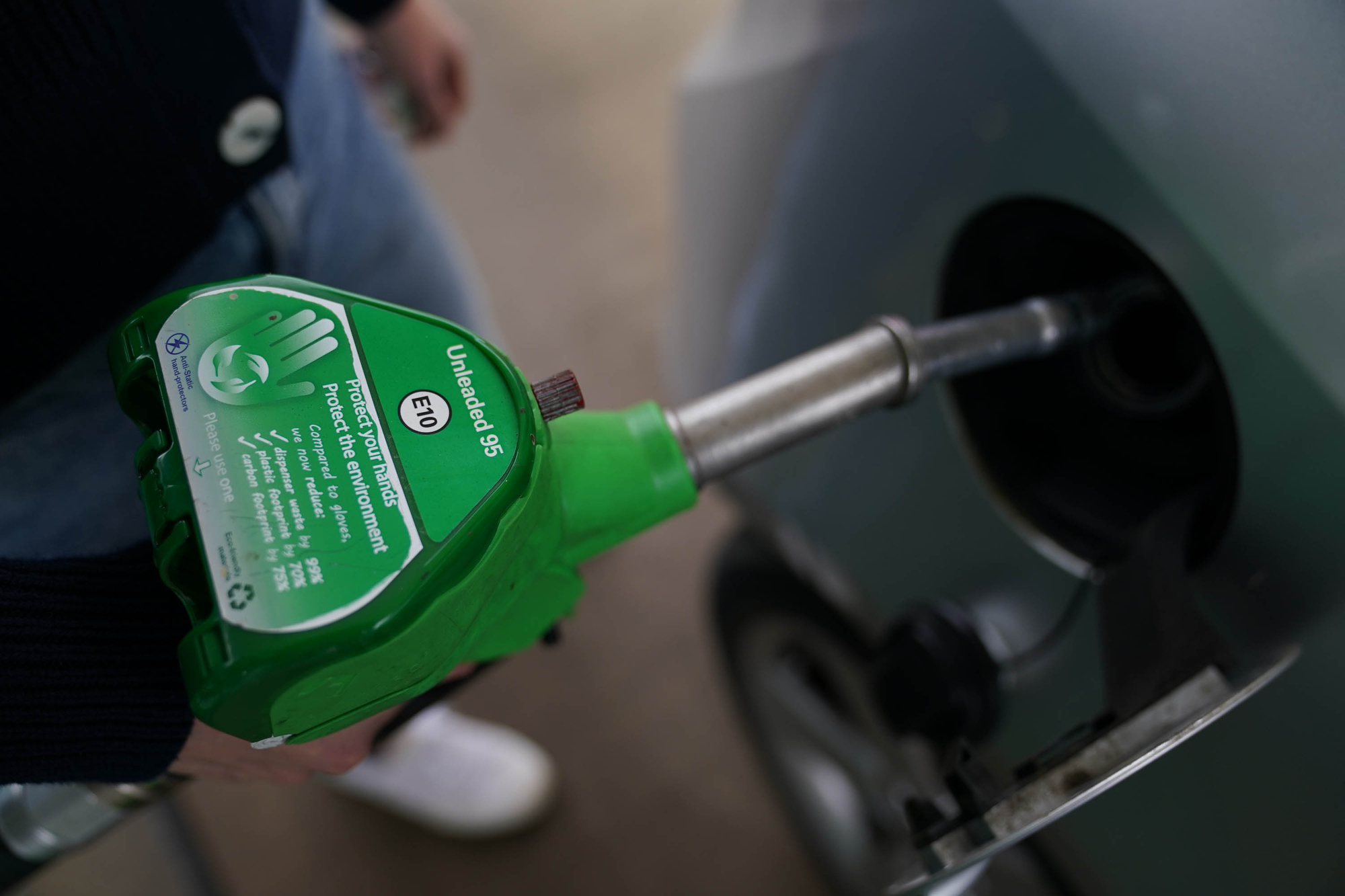
Fresh concerns over inflation and the rising cost of living, including energy and fuel prices, has hit consumer confidence, with many people expected to row back on spending plans.
Surging price inflation and concerns over the impact on energy costs from the escalating Russia-Ukraine crisis have eroded Irish consumer confidence, new research shows.
The recovery in consumers’ mood seen in January has reversed in February to the extent that savings built up during the pandemic restrictions in the past two years may not deliver a previously-expected consumer spending boom this year.
Conversely, according to KBC Bank Ireland’s latest consumer sentiment survey, pent-up savings could instead boost rising property prices by as much as 5%.
The survey found that only 5% of consumers plan to spend savings on goods and services this year. More than a quarter said they already have spent their savings, while 17% are holding on for a rainy day emergency. KBC Bank Ireland chief economist Austin Hughes said:
However, he noted that despite growing caution, Irish consumers remain increasingly optimistic about job prospects.
Separately, new research by the Central Bank forecasts Irish inflation averaging 4.5% in 2022, before a decline to 2.4% next year.
However, it also warned that rural, low-income, and older households are experiencing larger cost of living increases due to higher inflation, largely due to rising energy costs.
This is due to lower-income households spending more of their income on energy and food and less on goods and services. While headline inflation was 5.7% for the average household in December, it was higher — at 6.2% — for rural households, the Central Bank said.
Meanwhile, the ECB could begin increasing interest rates before ending its bond purchasing programme, ECB policymaker Robert Holzmann has said, challenging the bank’s long-held view on the sequence of its upcoming policy moves.
With eurozone-wide inflation hitting record highs in recent months, the ECB recently walked back on a pledge not to raise rates this year but has long maintained that ending bond purchases will come first.
Either way, some don’t see rate hikes as the solution to inflation. Barry Cahill of tax advisory service Taxback.com said:
Elsewhere, Bank of England governor Andrew Bailey has warned there are clear risks that inflation could again overshoot the British central bank’s forecasts but markets should not get carried away about the likely scale of interest rate rises.
The Bank of England forecasts UK inflation will peak at a 30-year high of around 7.25% in April when a 54% rise in regulated household energy bills takes effect.
• Additional reporting Reuters
CONNECT WITH US TODAY



Be the first to know the latest news and updates