European carmakers set to sell more vehicles this year
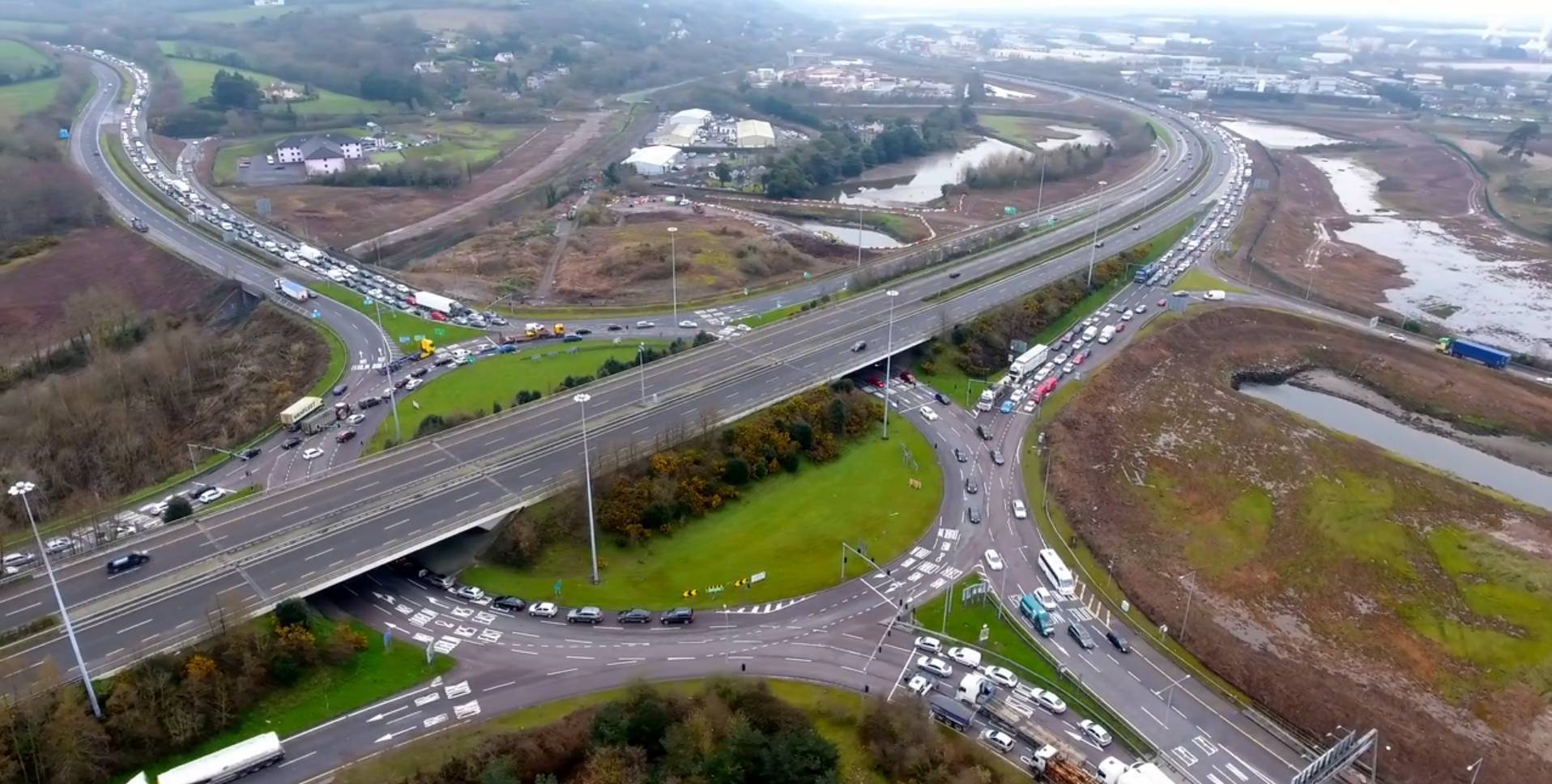
Passenger car registrations in the EU are expected to rise to 10.5m vehicles this year.
EU car sales are expected to rise by almost 8% this year as semiconductor supply problems ease but will still be some 20% below 2019 pre-pandemic levels, said the European Automobile Manufacturers' Association (Acea).
The association, which represents the 16 major Europe-based carmakers, said this would follow a 2.4% decline in 2021 due to a shortage of semiconductors, especially during the second half of last year.
Its statement comes on the day the European Commission proposed the European Chips Act, which is designed to promote semiconductor research and production in Europe and to decrease dependence on a single country or region.
Acea said that chip supplies are expected to stabilise in 2022, allowing passenger car registrations in the EU to rise to 10.5m vehicles.
The association urged the EU to reduce its reliance on overseas suppliers to avoid damage to strategic European industries in the future.
Acea also said electrically chargeable vehicles now account for almost one in every five new cars sold in the EU. While welcoming the performance, it said that the pace of rollout of charging infrastructure was lagging.
The EU is also deliberating a proposed alternative fuels infrastructure regulation, which Acea said needs to be strengthened to ensure Europe builds a sufficiently dense charging network.
Meanwhile, Nissan has raised its full-year profit outlook as it squeezed out more profit per vehicle but said that access to scarce semiconductors would be the key driver of future earnings growth.
Like other big global carmakers, Nissan has been forced to cut vehicle output, even amid robust demand in key markets such as China and the US, because of a chip shortage caused by Covid supply chain disruptions and competition for the component from a range of industries.
"2022 will be driven by how many cars we can make, rather than how many we can sell," said Nissan chief operating officer Ashwani Gupta at a briefing.
Some carmakers say they expect chip shortages to ease in the second half of 2022, although some automotive chipmakers have cautioned that a recovery could take longer.
Japan's number three carmaker maintained its global full-year sales target of 3.8m vehicles after cutting it from 4.4m in November.
"I am hoping we can get more semiconductors," said Nissan chief financial officer Stephen Ma.
- Reuters