Sterling likely to rise, not fall, should Johnson resign
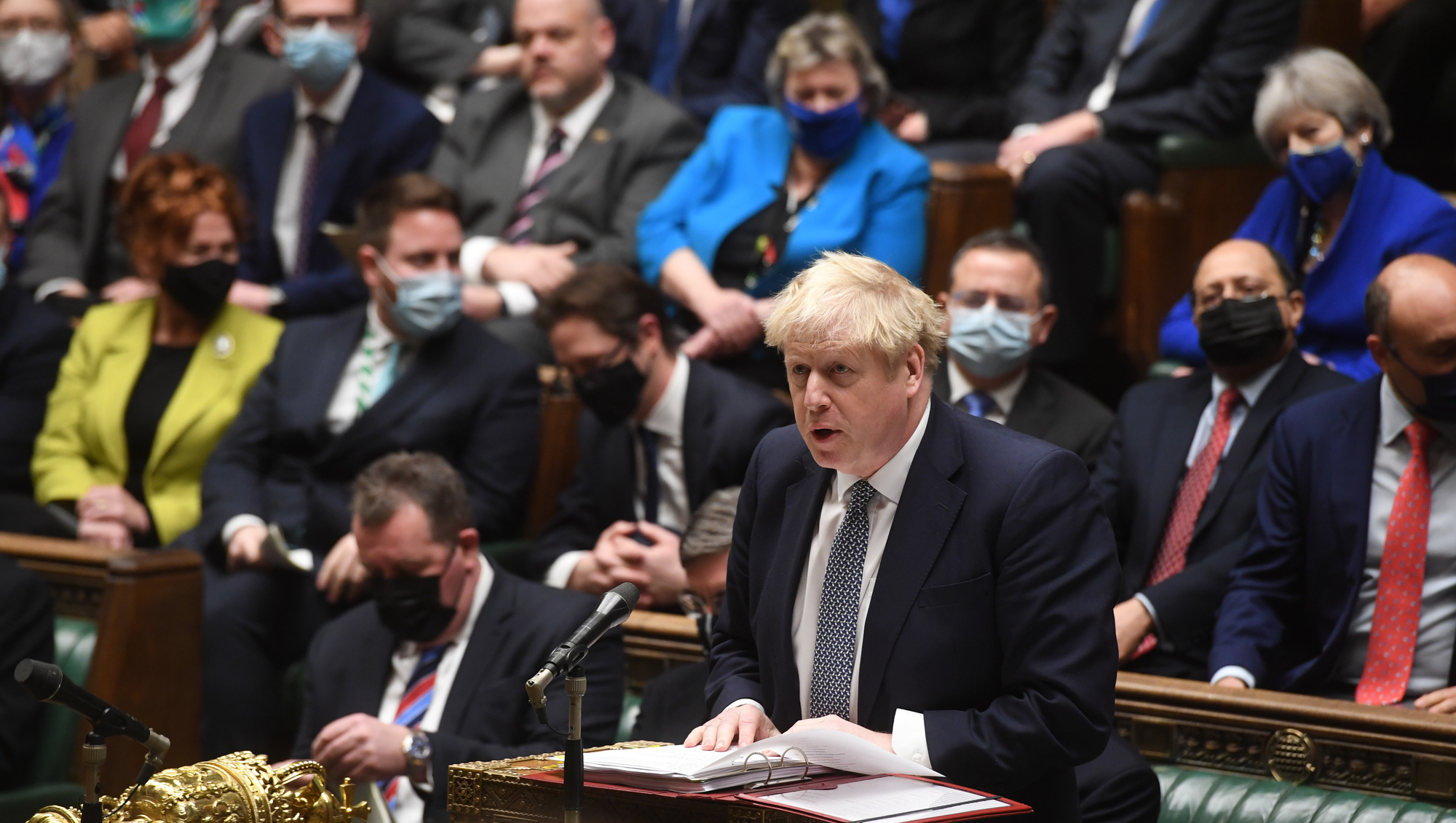
Boris Johnson is facing calls to resign, both from within his own Conservative Party and among opponents.
Currency traders are starting to factor in a new trigger for the rally in the British pound— the possibility that Boris Johnson will step down.
Far from eroding the gains that have made sterling one of the top performers against the dollar this month, the prospect of the British prime minister’s resignation could give the currency a further lift.
That comes against the backdrop of broadly improving sentiment on the pound as traders set their sights on a Bank of England tightening cycle and a potential shift to the endemic stage of Covid-19.
“A strong and stable leadership could set the pound on a better course, though we would have to get beyond any leadership shenanigans first,” said Jane Foley, the head of foreign-exchange strategy at Rabobank in London.
Mr Johnson is facing growing calls to resign, both from within his own Conservative Party and among opponents, after he admitted attending a party in the gardens of 10 Downing Street during the first pandemic lockdown, effectively flouting the UK government’s own distancing rules.
Yet that’s done little to take the edge off sterling. Sterling is currently trading at its highest level versus the dollar since October as money markets bet the Bank of England will embark on its first series of interest-rate increases since 2017. It’s near a two-year high versus the euro, after appreciating 0.6% this year.
Political developments have been a key driver for sterling for much of the past decade, with a popular vote on Scottish independence in 2014 followed by another on Brexit two years later. The latter led to years of volatility amid negotiations with the EU, and sterling is yet to recoup its pre-referendum strength.
It’s a striking contrast with current sentiment, which has turned less bearish in the options market, according to short- and longer-term measures. Hedge funds and institutional asset managers alike are also scaling back wagers on the pound’s decline, after they ballooned in December to the most since at least August 2020.
Yesterday, sterling was trading at $1.3731 and at 83.51 pence against the euro.
Mr Johnson’s departure is still far from certain, however. Most Conservative lawmakers interviewed by Bloomberg said they would wait for the findings of a formal probe into the Downing Street party before deciding on next steps. It would take 54 of them, or 15% of the total, to trigger a vote on Mr Johnson’s future.
“The pound is not embedding any political risk at the moment, which would in theory make it vulnerable to the downside if markets start to see the recent developments as a net-negative factor for the currency,” ING Bank wrote in a note.
“We doubt, however, this will be the case.”
CONNECT WITH US TODAY



Be the first to know the latest news and updates