US ports filling up fast amid the global supply crunch
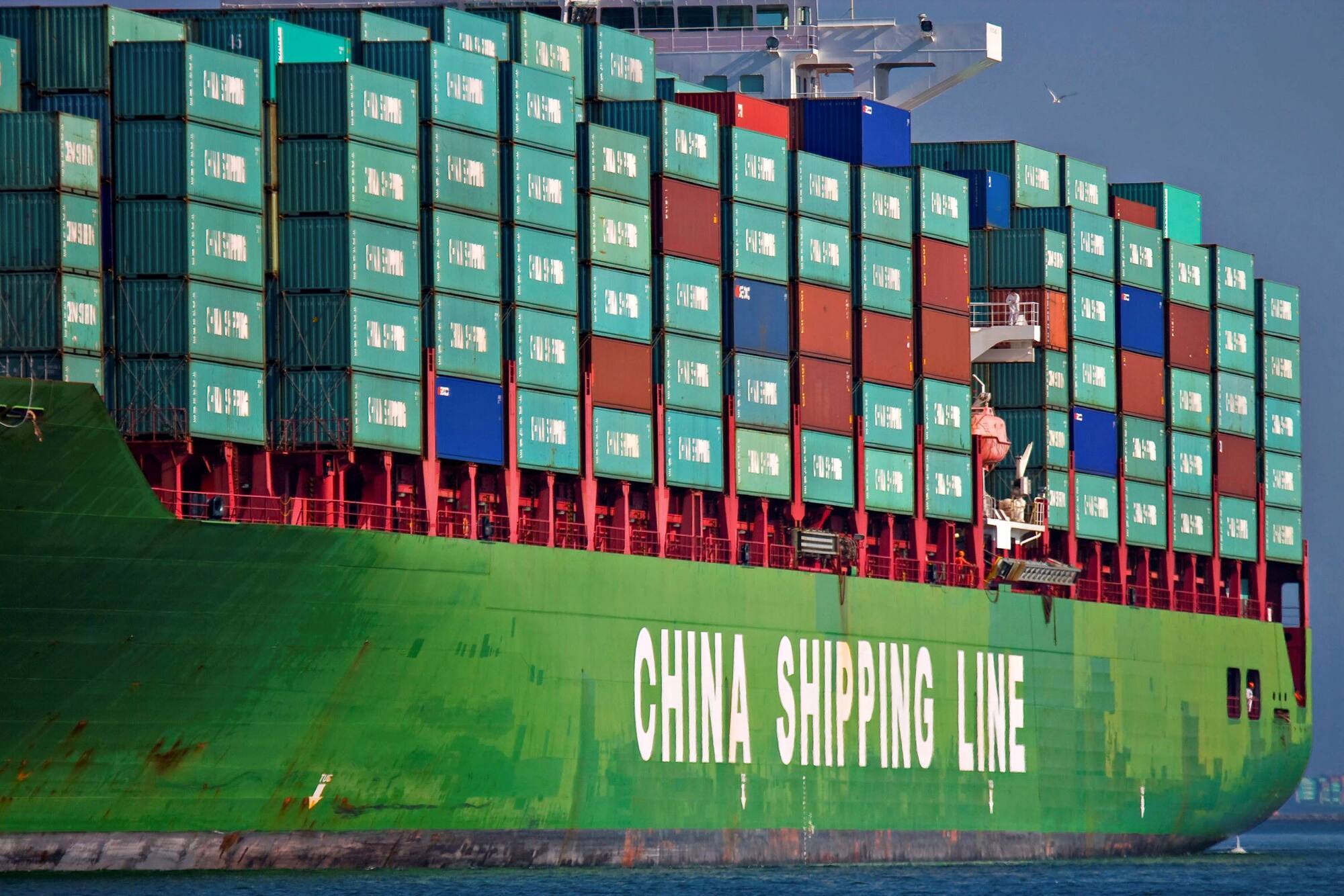
It now costs as much as $25,000 to import a 40-foot container from Asia, up from less than $2,000 two years ago.
US ports are full of goods, US warehouses are full of goods, hardly anyone wants to drive a truck to pick up and deliver those goods and those who do sit waiting in lines, often unpaid. And Americans continue to buy more stuff from abroad than ever.
A supply-chain crunch that stretches from overseas manufacturers into American ports and retail stores threatens the US Christmas shopping season. President Joe Biden and his administration have been working for months to smooth out bottlenecks, but his power to influence what is almost entirely a private-sector problem is limited.
Overwhelming volume generated by record, pandemic-induced consumer demand is swamping a system that was already creaking under the weight of high demand, low investment, labor shortages and regulatory battles.
It now costs as much as $25,000 to import a 40-foot container from Asia, up from less than $2,000 two years ago.
At its ports, the US faces a crush of deliveries, forcing ships to wait offshore at length to unload. The Port of Los Angeles, which together with the nearby Port of Long Beach is the busiest in the US, says volume is up 26% this year over 2020.
Port of Los Angeles Executive Director Gene Seroka says vessel productivity has increased by 80% in the last six weeks as workers are taking on extra shifts to tackle the supply chain disruptions on @CNBC's Squawk Box Asia with @MartinSoong.https://t.co/moQBHSofn1
— Port of Los Angeles (@PortofLA) October 20, 2021
This first, crucial step in the domestic supply chain has been a focus of the Biden administration. Last week, the president announced an agreement between the Port of Los Angeles and one of its unions to begin operating around the clock to ease congestion, following the Port of Long Beach.
Union Pacific began receiving trucks from the port around the clock shortly after Biden’s announcement. Recent congestion at the Port of Savannah in Georgia, has prompted some shippers to divert cargo to the nearby Port of Charleston.
President Biden has encouraged ports to seek federal grants to improve transportation links between different parts of the chain, like ships and trucks. Nathan Strang, director of ocean trade lane management at Flexport, said the administration could make longer-term improvements by expanding barge or rail service between nearby ports, allowing them “to operate as one large port group”.
Trucking is an industry long beset by grueling hours and declining pay. Few know those hardships better than port truck drivers.
Port truckers are typically independent contractors, without the benefits and protections of unionised transport sectors or even major companies with shipping divisions, like Amazon. Their jobs require them to line up for hours to pick up cargo, and they’re paid only when they move it.
Steve Viscelli, an economic sociologist with the University of Pennsylvania, said the entire system is built around free labour from truck drivers as they wait for containers.
The Teamsters union says President Biden should try to encourage organisation of port drivers so that they can bargain for better pay and benefits.
But the president has instead focused on trying to produce new drivers by streamlining licensing.
Late last month, officials and industry stakeholders gathered at #POLB for an inaugural Supply Chain Summit. Followed soon after by the Biden Administration's summit to step up 24/7 operations, this summit was a major step in finding solutions to supply chain issues. pic.twitter.com/vVXuE6szI7
— Port of Long Beach (@portoflongbeach) October 19, 2021
Empty shipping containers have piled up at trucking companies in Southern California because of restrictions on when and where they can be returned to ports, said Matt Schrap, chief executive officer of Harbor Trucking Association, a coalition for carriers that serves ports on the West Coast.
In the short term, freeing up space for empty containers would free up crucial transportation equipment such as chassis, which are hooked to trucks to move loaded containers at ports.
“We are running out of space,” said Mr Schrap. “These containers are just being stacked on top of each other,” he said.
Retailers, the last leg of the chain before consumers buy goods, are working to bypass bottlenecks.
Target, Costco, and Best Buy have all chartered cargo ships in a bid to speed goods across the Pacific.
So has Walmart, which is also routing shipments through less congested ports, expanding its storage and relying on stores to fulfill some online orders, according to a company statement earlier this month.
CONNECT WITH US TODAY



Be the first to know the latest news and updates