EU to shield consumers from record-high energy prices
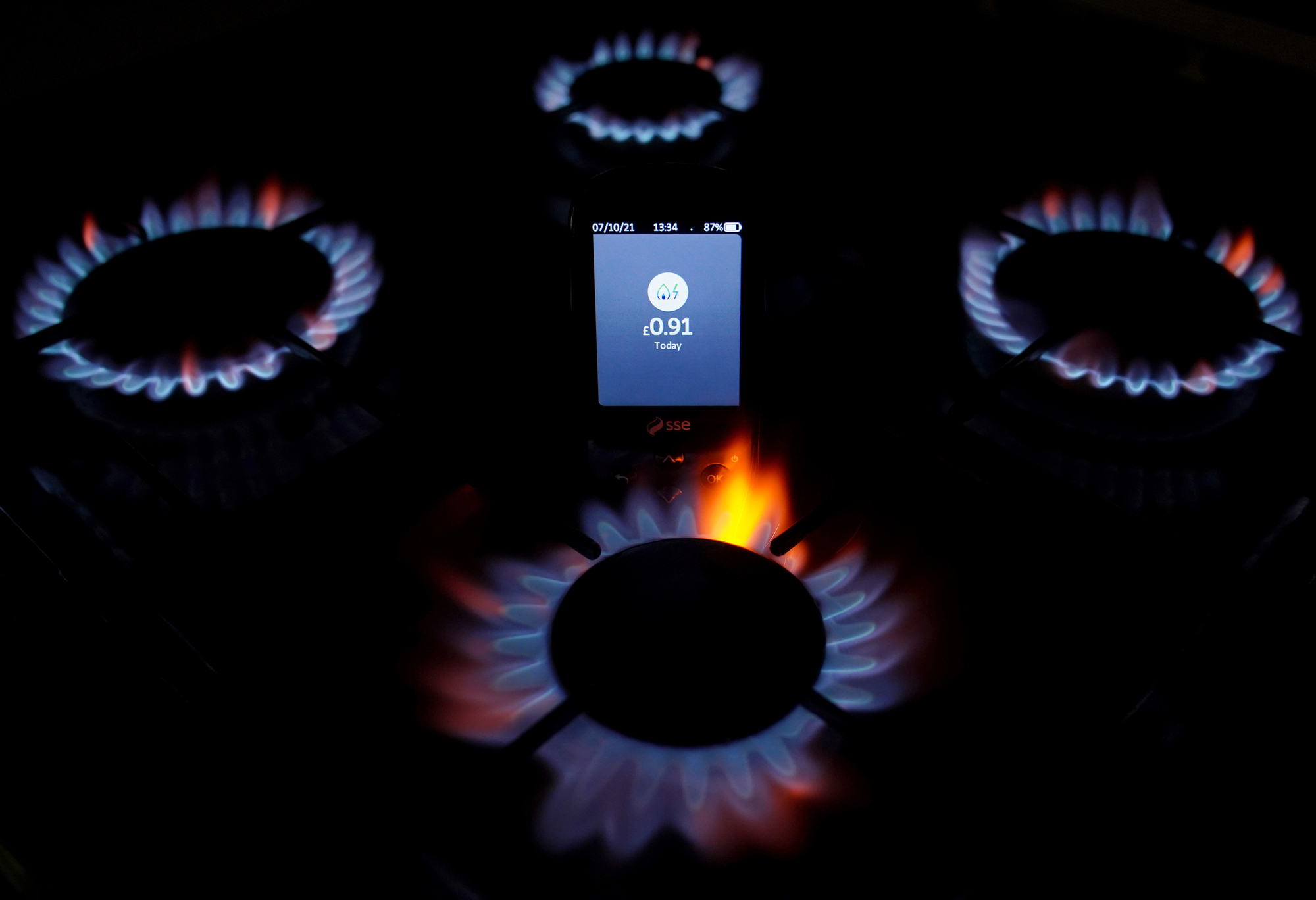
The EU measures include price caps, cuts to energy taxes and subsidies for poorer households.
EU leaders are set to press ahead with measures to shield consumers from record-high energy prices that have curtailed industrial production and hiked consumer bills.
EU leaders will meet next week – on October 21 and 22 - to discuss the energy price spike and a "toolbox" the European Commission published this week which confirmed the measures national governments can use to provide immediate relief to consumers.
A draft of the leaders' conclusions invites the Commission and EU countries to use that toolbox "to provide short-term relief to the most vulnerable consumers and to support European companies".
As of Wednesday, 20 EU countries had drawn up such measures, including price caps, cuts to energy taxes and subsidies for poorer households. That number is set to grow, with Germany planning to cut the surcharge on consumers' energy bills which helps fund renewable energy investments.
The Commission said it would also assess measures the EU could take in the longer term to protect countries against price spikes, including joint purchasing of gas.
EU leaders will ask the Commission to "consider medium and long-term measures that would mitigate excessive price fluctuations, increase the EU's energy resilience and ensure a successful green transition," the draft conclusions said.
EU ministers "will take this work forward immediately" at an emergency meeting on energy prices on October 26, according to the draft, which could change before it is adopted by leaders.
The leaders will also ask the European Investment Bank, which is owned by EU governments, to "look into its capital headroom to speed up investment in the green transition, with a view to reducing future disruption risks."
Brussels has said a faster shift to green energy is the best defence against future price spikes, since it would reduce exposure to the volatile price of imported fossil fuels. In Germany, an expensive surcharge levied on consumers to support renewable power next year will fall by 42.7% to 3.723 euro cents per kilowatt hour (kWh), German network operators said.
The fee, which was reduced by 3.9% last year to help the economy out of the coronavirus slump, is collected under the renewable energy act (EEG) and paid to producers of wind and solar electricity installations. With the move, Germany’s policymakers are trying to limit the financial burden of soaring wholesale power prices as the EEG fee makes up one fifth of end consumer bills.
Oil prices hit a fresh three-year high, climbing above $85 a barrel on forecasts of a supply deficit over the next few months as rocketing gas and coal prices stoke a switch to oil products.
CONNECT WITH US TODAY



Be the first to know the latest news and updates