O'Mara Walsh: Covid cost Irish tourism staggering €13bn; Vat rate must be kept in budget
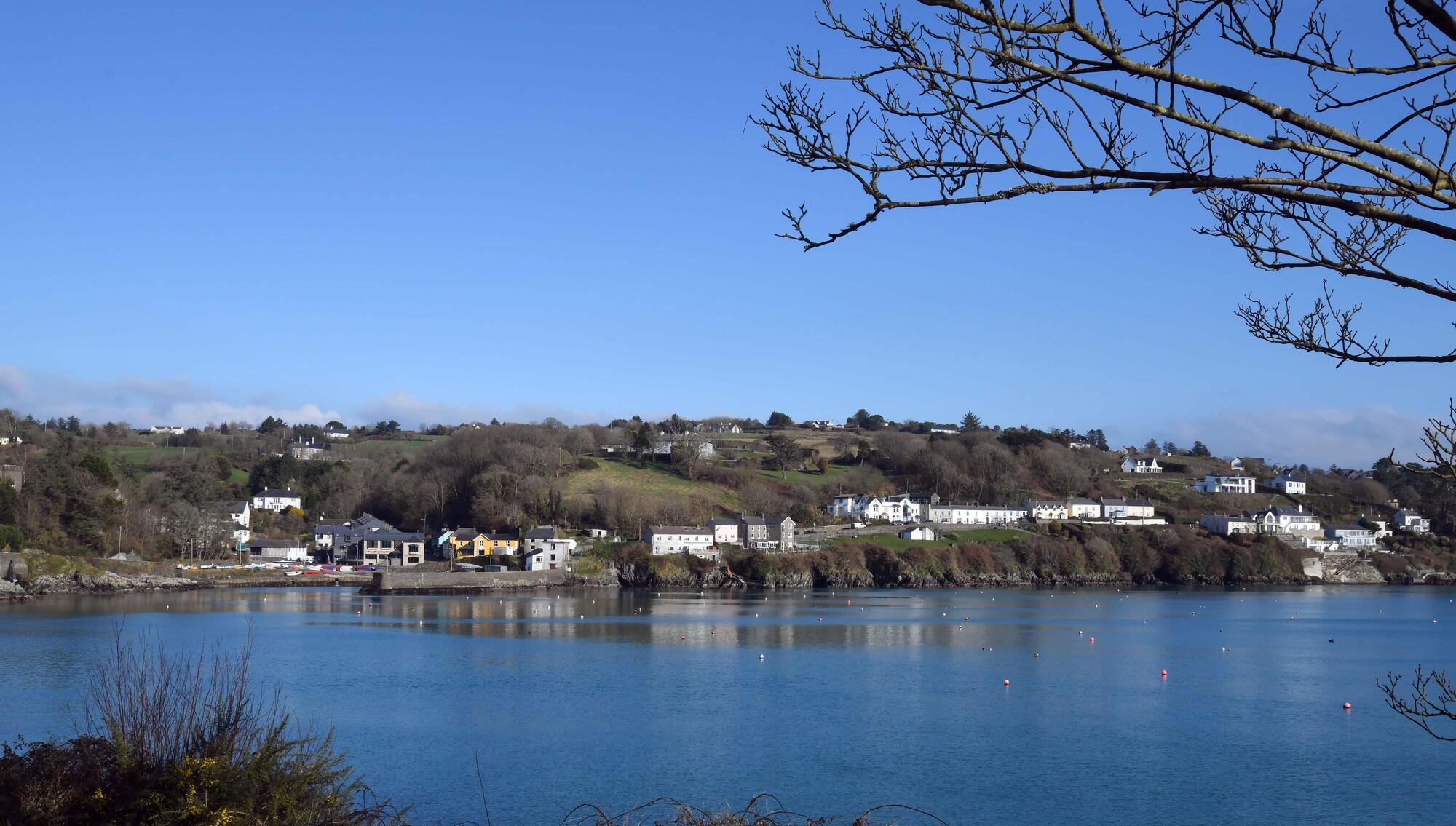
Tourism has been utterly devastated by Covid-19 and rolling lockdowns. File picture: Denis Minihane
It is an indisputable fact that Ireland’s tourism and hospitality industry has been one of the hardest hit economic sectors as a result of the pandemic. An industry that employed one in 10 jobs has been utterly devastated by Covid-19 and rolling lockdowns.
Estimates by the Irish Tourism Industry Confederation, or ITIC, the representative group for the sector, point to industry losses of a staggering €13.4bn over 2020 and 2021. In that context, next week’s budget – to be delivered by Ministers Paschal Donohoe and Michael McGrath – could scarcely be more important.

An industry still in survival mode needs ongoing support to allow it reach stability and onwards to recovery. Indeed, ITIC has come up with a number of growth scenarios over the coming years, the most positive of which suggests a full recovery to 2019 levels by 2025.
That would be no mean feat. As the country’s biggest indigenous industry, this would mean tens of thousands of jobs throughout Ireland. A reinvigorated tourism industry is much more likely to deliver quicker regional economic balance than the much-heralded National Economic Plan.
The budget is about the economic course of the nation in what will hopefully be a post-Covid environment. Tax competitiveness is vital and from the tourism industry’s perspective all eyes will be on the 9% tourism Vat rate. The rate is due to increase back to its previous level of 13.5%.

Industry leaders are calling for certainty and clarity with any potential change to the Vat rate seen as hugely damaging to the sector’s nascent recovery.
In their view, the 9% Vat rate is a proven success, is a key recovery tool, and needs to remain in place through to 2025 before it is reviewed.
Often lost within the 9% debate is the fact that the rate puts Ireland firmly in the middle of its European peers. Look across the rest of the EU and big tourism beasts like France, Germany, Italy, Spain and Portugal all have tourism Vat rates of 10% or lower.
And the argument, espoused by some economists, that the 9% Vat rate is tax forgone is flawed. In the period 2012-2018, when the rate was at 9%, Revenue data showed income from the tourism Vat category actually increased by 65% due to the growth in the sector.
Vat at 9% stimulates demand, thereby increases the value of the sector and benefits the exchequer in tax receipts. This is a proven formula and any Government should be loath to deviate from it.
Remember, tourism is an enormous employer and there are a lot of voters who know the value of a vibrant industry to their region. The last tourism minister to increase the Vat rate was Shane Ross. His failure to defend the 9% rate certainly didn’t help his re-election cause.
Of course, Vat is not the only issue important to Irish tourism in the budget. Crucially, there needs to be an aviation stimulus package to restore connectivity to the island. Three-quarters of the tourism economy here is dependent on international visitors.
Industry leaders are also calling on the wage-subsidy scheme to be extended for vulnerable but viable businesses right through to June 2022 and there needs to be step-change in tourism investment to reflect the crisis that the industry has faced.
The size of the prize is significant and Ireland’s tourism industry can once again be a strong net contributor to the national economy.
The sector has a proven track record of recovering from external crises such as the 9/11 attacks or the great financial crash of a decade ago. Each time, Ireland’s tourism industry has been resilient and bounced back and it can do so again if pro-tourism policies, such as Vat at 9%, are pursued by Government next week.
- Eoghan O’Mara Walsh is chief executive of ITIC, the Irish Tourism Industry Confederation