UK braced for 4% inflation this year
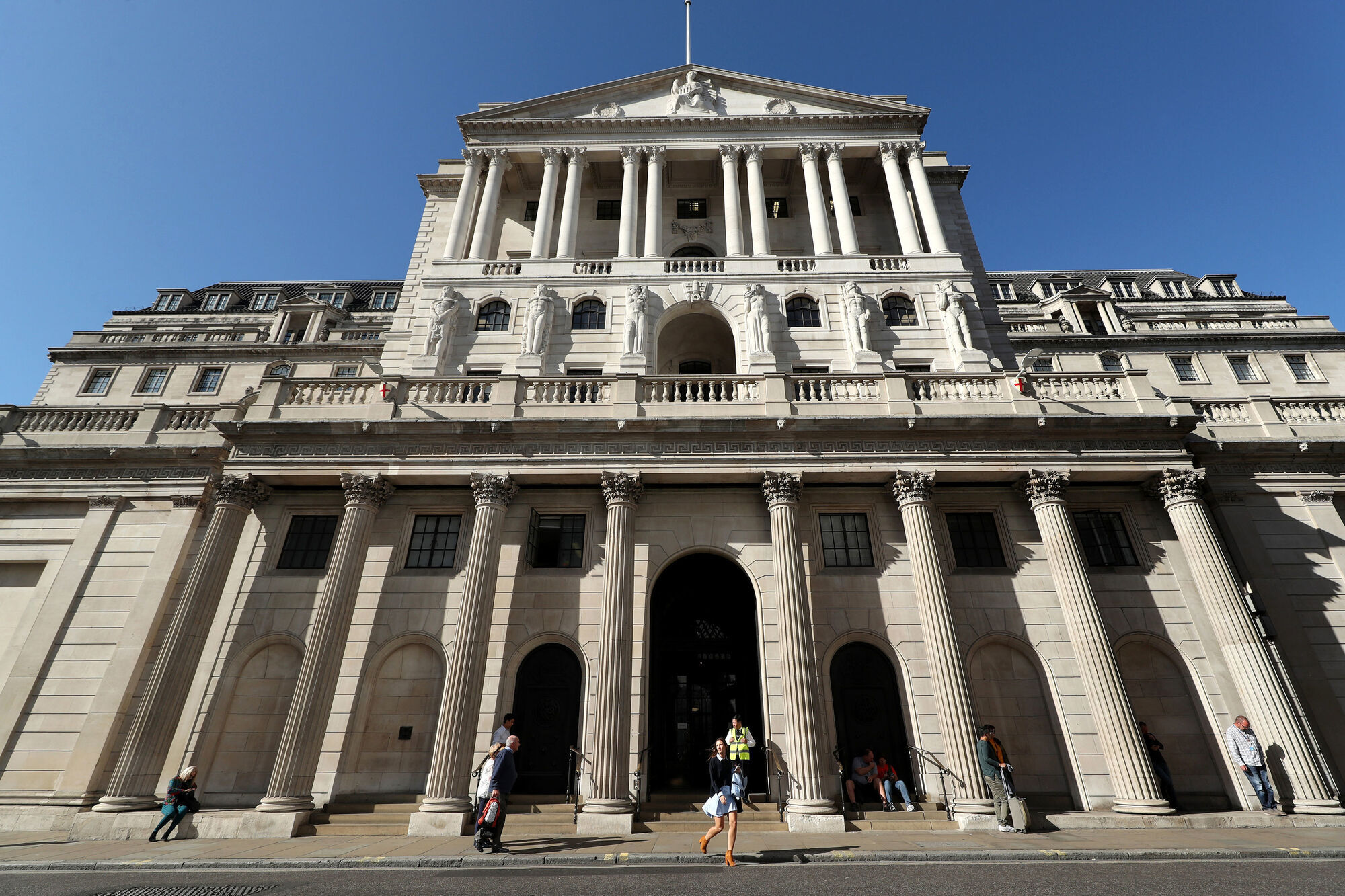
The Bank of England is braced for 4% inflation.
Britain's inflation rate hit its highest in almost a decade last month after a record jump that was largely fuelled by a rebound in restaurant prices which were artificially pushed down a year ago by government subsidies.
Consumer prices in August rose by 3.2% year-on-year, the highest annual inflation rate in the country since March 2012 and up from 2% in July, the UK’s office for national statistics (ONS) said.
Statisticians said the one-off effect of the British government's "Eat Out to Help Out" scheme, which briefly offered diners a discount on meals to help a sector hit by the pandemic, would vanish from next month's data.
But the Bank of England is still braced later this year for inflation to hit 4% due to higher energy prices and pandemic bottlenecks which it expects will fade over the course of 2022.
"Much of this was driven by the heavy discounts offered under the Eat Out to Help Out Scheme last summer. That said, there are also signs that inflationary pressures are increasingly broad-based across many sectors of the economy," said Hugh Gimber, global market strategist at JP Morgan Asset Management.
The ONS also pointed to anecdotal evidence that shortages of supply chain staff and rising shipping costs fed through into food prices last month, which recorded their biggest monthly rise for any August since 2008.
Last month, eurozone inflation hit a 10-year high of 3%, although data on Tuesday showed US underlying consumer prices increased at their slowest pace in six months, suggesting inflation there may have peaked.
Britain’s central bank faces a trickier task in judging whether labour shortages may create longer term pressures.
CONNECT WITH US TODAY



Be the first to know the latest news and updates