Shortages of food items and staff hitting Britain 'threaten to stifle the recovery'
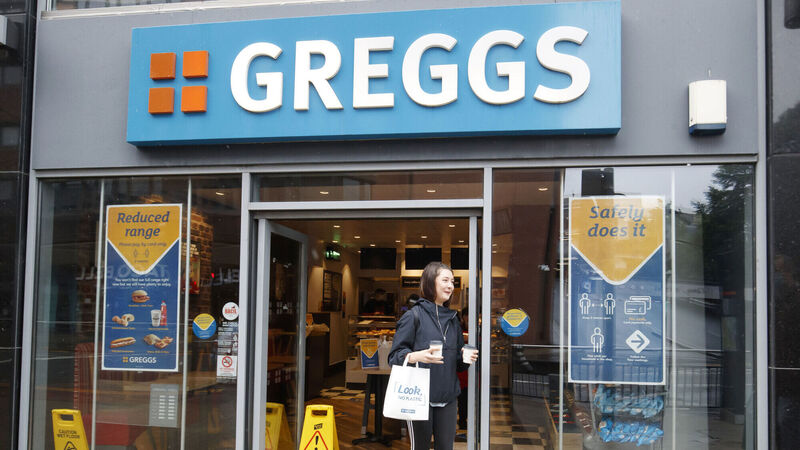
Capital Economics said the list of anecdotal reports of labour and product shortages has grown ever longer in the past week and now includes various items at Greggs. Picture: Danny Lawson/PA
Strains in the British economy that have led to shortages of McDonald's milkshakes to food items at retailer Greggs may likely get worse and could weigh on the economic recovery in the UK, a leading economics consultancy has said.
Capital Economics said that reports of shortages had broadened as the week went on beyond the Covid-hit areas of hospitality and construction.


Read

Listen

Watch

Play
CONNECT WITH US TODAY



Be the first to know the latest news and updates


The Business Hub
Newsletter

News and analysis on business, money and jobs from Munster and beyond by our expert team of business writers.
The Business Hub
Newsletter
News and analysis on business, money and jobs from Munster and beyond by our expert team of business writers.

Lunchtime News
Newsletter
Get a lunch briefing straight to your inbox at noon daily. Also be the first to know with our occasional Breaking News emails.
Revoiced
Newsletter
Had a busy week? Sign up for some of the best reads from the week gone by. Selected just for you.
Most Read
Monday, May 11, 2026 - 7:00 PM
Monday, May 11, 2026 - 7:00 PM
Monday, May 11, 2026 - 3:00 PM