Exports to Britain rise €1.1bn in first six months of Brexit disruption
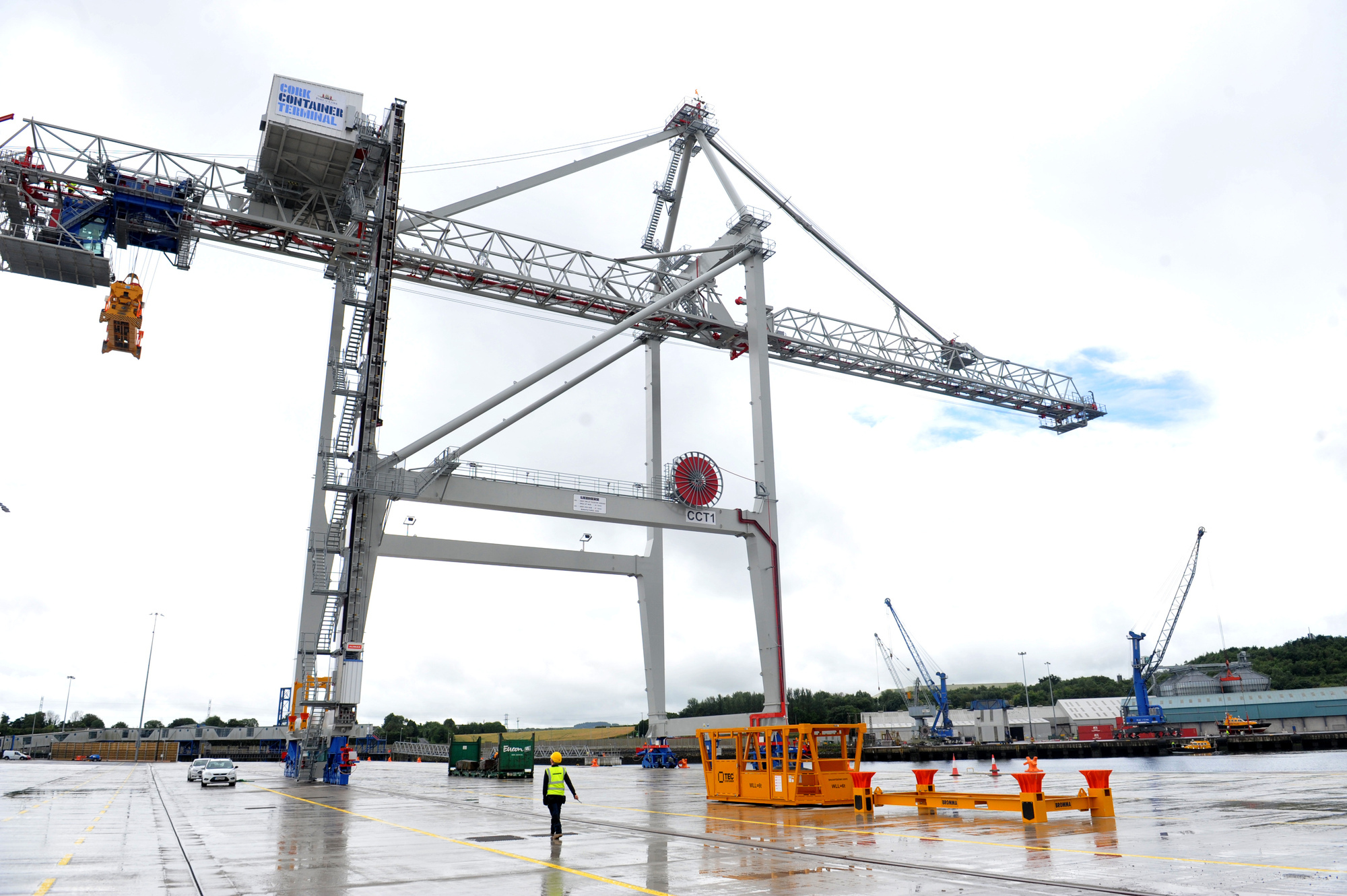
The CSO figures may also point to changes in supply chains within the island of Ireland and potentially to a strengthening of the all-Ireland economy. Picture: Larry Cummins
Exports of goods to Britain rose by €1.1bn, and imports fell by €2.5bn, in the first six months this year, as companies rushed to adjust their supply chains across the Irish Sea following December's hard Brexit deal.
At over €6.7bn, the total value of goods exports to Britain was up by €1.1bn in the first half of the year from the same period in 2020, while imports from Britain fell sharply, by €2.5bn to €5.3bn.
The CSO figures may also point to changes in supply chains within the island of Ireland and potentially to a strengthening of the all-Ireland economy.
According to the CSO, exports to the North form the Republic rose to over €1.5bn in the first six months from €1.1bn a year earlier, while imports also rose to €1.7bn in the same period from around €1bn a year earlier.
In June, exports to Britain rose by €575m to €1.4bn from June 2020, helped by increases in chemicals and machinery, while imports in the month from Britain fell by €213m to €1bn.
The CSO figures also point to the overall disruption caused by the Covid-19 crisis, as Irish exports to the EU fell, and imports rose by a significant amount over the same period.
Seasonally adjusted goods trade imports increased by €320 million in Junehttps://t.co/tqV0PtlDPA #CSOIreland #Ireland #Trade #IrishTrade #Exports #Imports #Businessstatistics #IrishBusiness #BusinessNews #Brexit pic.twitter.com/rAMkupbueA
— Central Statistics Office Ireland (@CSOIreland) August 16, 2021
Overall Irish exports to the world fell by €1.4bn at €80.6bn in the first six months, while overall imports rose by €7.8bn to €48bn.
Aidan Flynn, general manager at Freight Transport Association Ireland, said the export and import figures point to significant changes and disruption for businesses in the first six months since the EU and UK reached an 11th-hour deal in December.
Hauliers are still adjusting and coming to terms with the costs of doing business across the Irish Sea,
"British businesses weren't ready for Brexit, they didn't have customs agents [in place]," Mr Flynn said, as the complications for phytosanitary checks at Irish ports became a problem and resulted in a shift in the supply chain.
It will be up to the EU to look at the costs of the phytosanitary checks, he said.
Mr Flynn said that it will take time for businesses to adjust to access markets, not alone because the direct sea routes are more expensive than accessing continental markets through the so-called UK land bridge.
He also pointed up to acute driver shortages after many east European divers have not returned since the lifting of Covid-19 restrictions.

CONNECT WITH US TODAY



Be the first to know the latest news and updates