'Skyrocketing' costs put permanent home for Olympics back on agenda: IMF blog
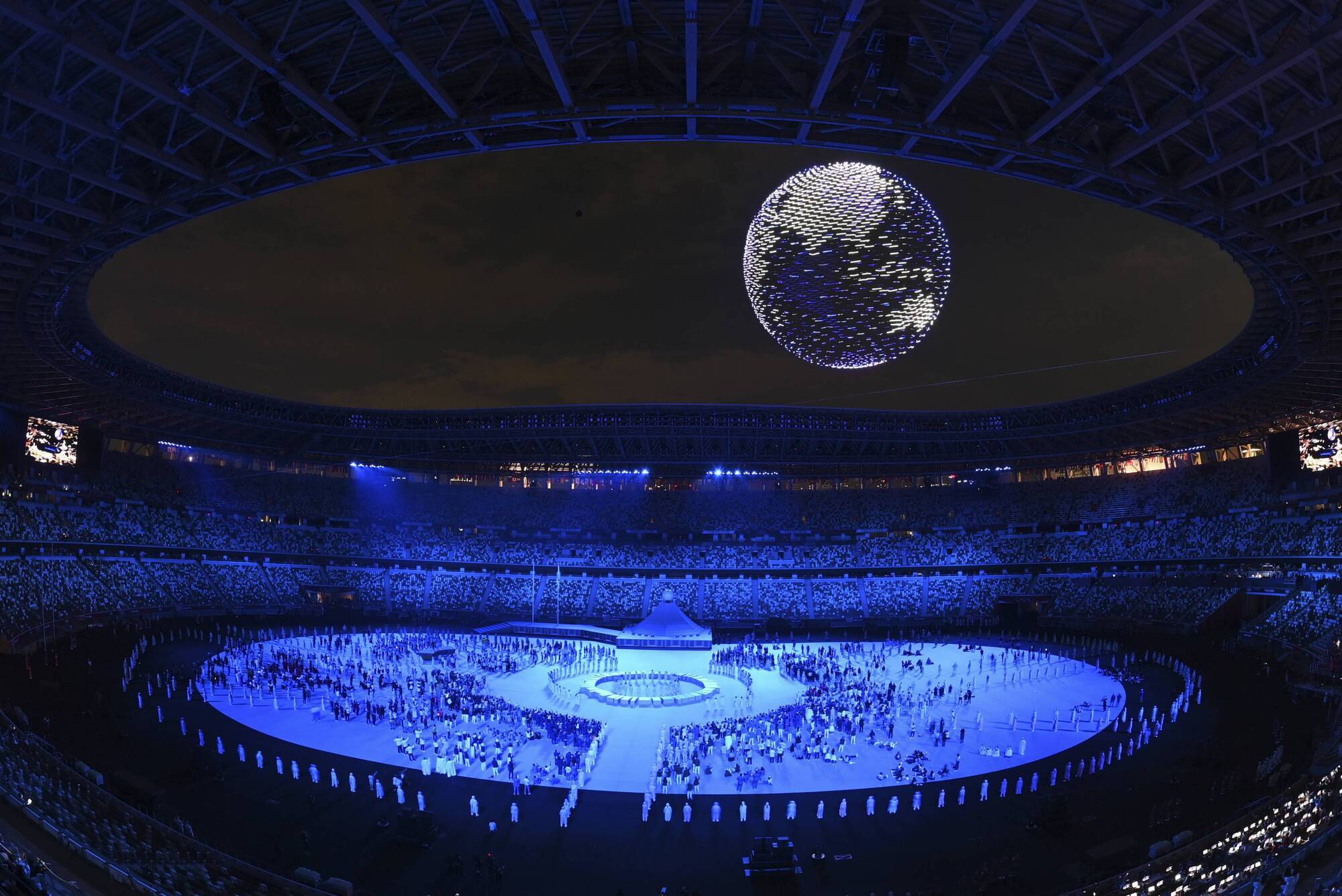
The costs of hosting the Olympics have been out of kilter with the revenues the games generate for some time, the IMF blog said.
Rocketing costs facing cities hosting the Olympics is ratcheting up the risks for the future of the games and requires a radical overhaul or a permanent home, leading experts have warned in an IMF blog.
Professor Victor Matheson from the College of the Holy Cross in Massachusetts, and Professor Rob Baade of Lake Forest College in Illinois, who is a former president of the International Association of Sports Economists, said a permanent home would help prevent cities being left with redundant stadiums and "white elephants" while "a permanent location would also allow the Olympic host site to retain the human infrastructure of skilled event managers" and curtail costs.
The economists argue the IOC -- the International Olympic Committee -- will be forced to change and perhaps embrace a fairer share of revenue and costs.
"While cities have competed for years for the opportunity to capture Olympic gold, short-term and long-term benefits generally have proved inadequate to justify the cost of hosting the games," they write in 'Rescuing the Olympic Games From Their Own Success' for the IMF Financial & Development blog.
"Without a sustained commitment by the IOC to provide cities with a reasonable chance to benefit, the future of the Olympic Games is in jeopardy," the professors said. The costs have been out of kilter with the revenues the games generate for some time.
At $500m (€424m), Adolf Hitler spent big for the 1936 summer games in Berlin, as a propaganda tool for the Nazi regime, and costs for subsequent games accelerated. By 1976, huge overruns meant that the costs for Montreal topped $7bn.
"All five of the most recent summer Olympics and both of the most recent winter games have exceeded $10bn in total costs; the 2008 Beijing summer Olympics topped $45bn, and the 2014 Sochi winter Olympics exceeded $50bn," the experts write. And the costs tower above the revenues the games generate.
The Rio games raised $9bn, "a significant portion of which was retained by the IOC rather than being given to Rio to help defray costs", and apart from Barcelona, which was widely praised for its long term city-wide regenerative benefits despite a hefty $17bn price tag, few cities have gained from hosting the games, according to the analysis.
"Unfortunately, long-term benefits from hosting have also proved elusive, and the few studies that show Olympic-size economic benefits fall apart when Olympics hosts are compared with otherwise similar countries that didn’t host the event," the professors write.
They said the IOC will likely have to do more despite "to its credit" now evaluating bids from city hosts on sustainability and social economic grounds. "Skyrocketing price tags and disproportionate revenue-sharing have generated Olympic resentment rather than reward," they said.
CONNECT WITH US TODAY



Be the first to know the latest news and updates