Analysis: No let-up as AIB latest to close bank branches
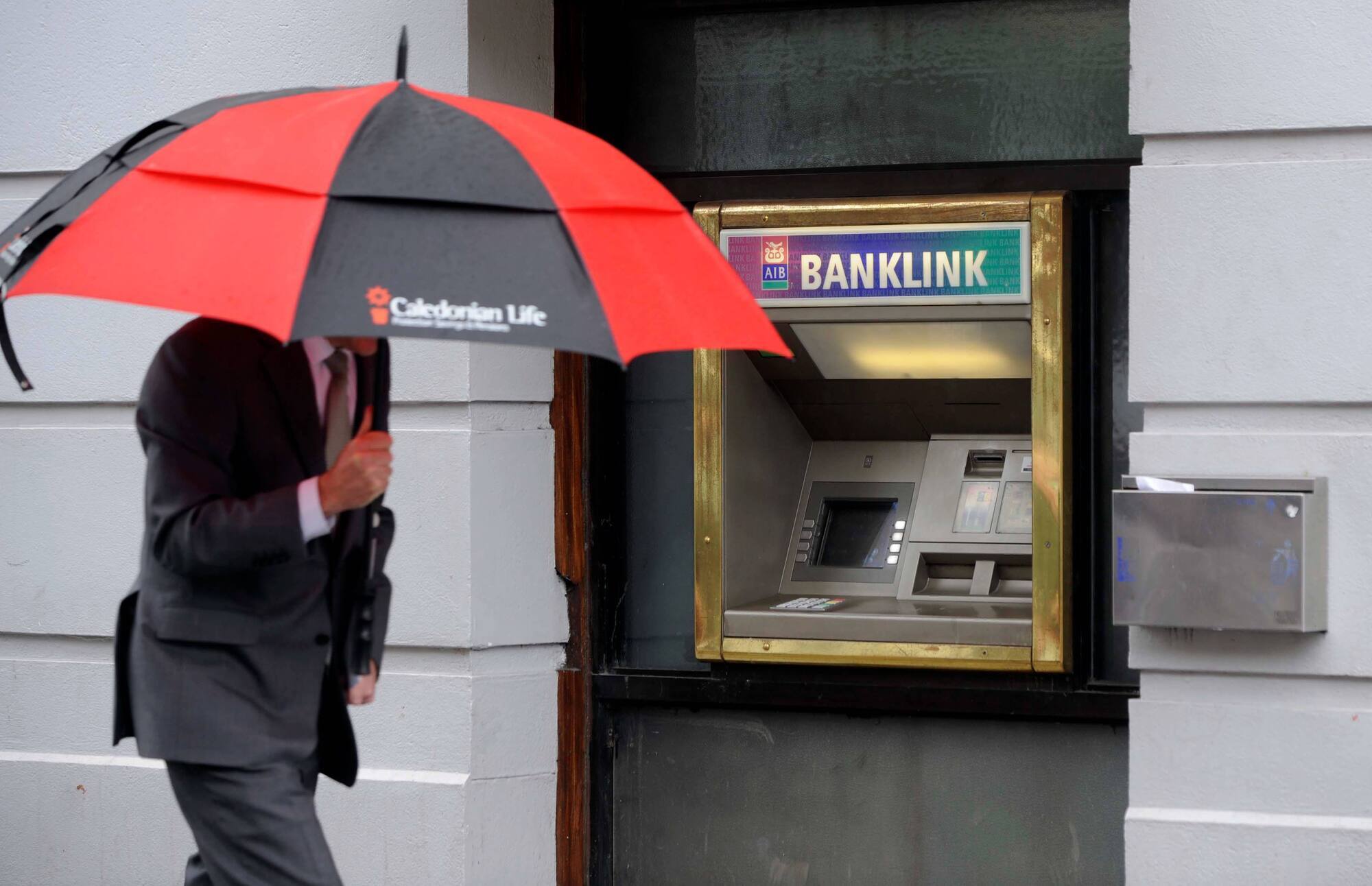
A major concern is that the largest two banks – AIB and Bank of Ireland – are using the cover of the Covid crisis to 'right-size' their branch networks, before long-awaited reviews of the banking system and consumer protection laws are carried out. File picture: Dan Linehan
Well over 200 local bank branches on the island of Ireland – across most of the lenders – are now slated to close and many will be shut for good by the end of the year.
A major concern is that the largest two banks – AIB and Bank of Ireland – are using the cover of the Covid crisis to “right-size” their branch networks, before long-awaited reviews of the banking system and consumer protection laws are carried out.
And, by not intervening, the worry is that both the Central Bank and the Government – which still owns significant stakes in AIB, Bank of Ireland and Permanent TSB – are sleepwalking into an irreversible and catastrophic shrinkage of the banking sector; in terms of both accessibility and competition.
Business and consumer groups, rural development advocates, trade unions, and senior politicians warned the decision earlier this year by Bank of Ireland to shut 103 branches in the North and the Republic would plunge Irish banking further into crisis.
Those calls were ignored.
Banks in most parts of Europe have shrunk their branch networks, citing the new era of low interest rates and online services for their decisions.
But what makes the banking in Ireland so different is that it is already one of the most concentrated in the world.
AIB and Bank of Ireland, which already have a firm grip over corporate and SME lending, are due to benefit further when Ulster and KBC quit the Republic. They plan to scoop up loans but to take on no new branches.
It also unclear how many Ulster branches that Permanent TSB will keep open as it negotiates with Ulster Bank-owner NatWest over acquiring billions of loans.
The regulator and the Department of Finance both see branch closure moves as being commercial decisions solely for the boards of the individual lenders.
The Financial Services Union – one of the main representatives of bank workers – doesn’t agree.

It wants Central Bank chief Gabriel Makhlouf to meet with the bosses of AIB and Bank of Ireland to call for a pause to branch closures. That would, at the very least, match what the banking regulator in the UK did earlier this year.
Hiding behind a pending and, likely, lengthy bank sector review may not be enough to conceal Mr Donohoe on this subject; with political opponents getting more vociferous with every closure announcement.

Labour has demanded Mr Donohoe use his position as effective 71% owner of AIB to prevent the bank’s planned branch closures, calling the network reduction plan “shocking” and something which “must be stopped”.
The FSU has said change in the Irish banking sector is inevitable, but that it must still have a strong mix of physical branches and online services. It has warned that such a level of closure, as is currently planned, will have negative consequences for consumer, farming and SME customers.
It said additional players in the market – such as An Post – can only ever really be looked at as being complementary to mainstream lenders and not as a permanent replacement.
“We will exit the pandemic without a functioning bank branch network and with local communities and small businesses bereft of vital banking facilities,” said FSU general secretary John O’Connell.