Britain tipped for rising inflation and more poverty
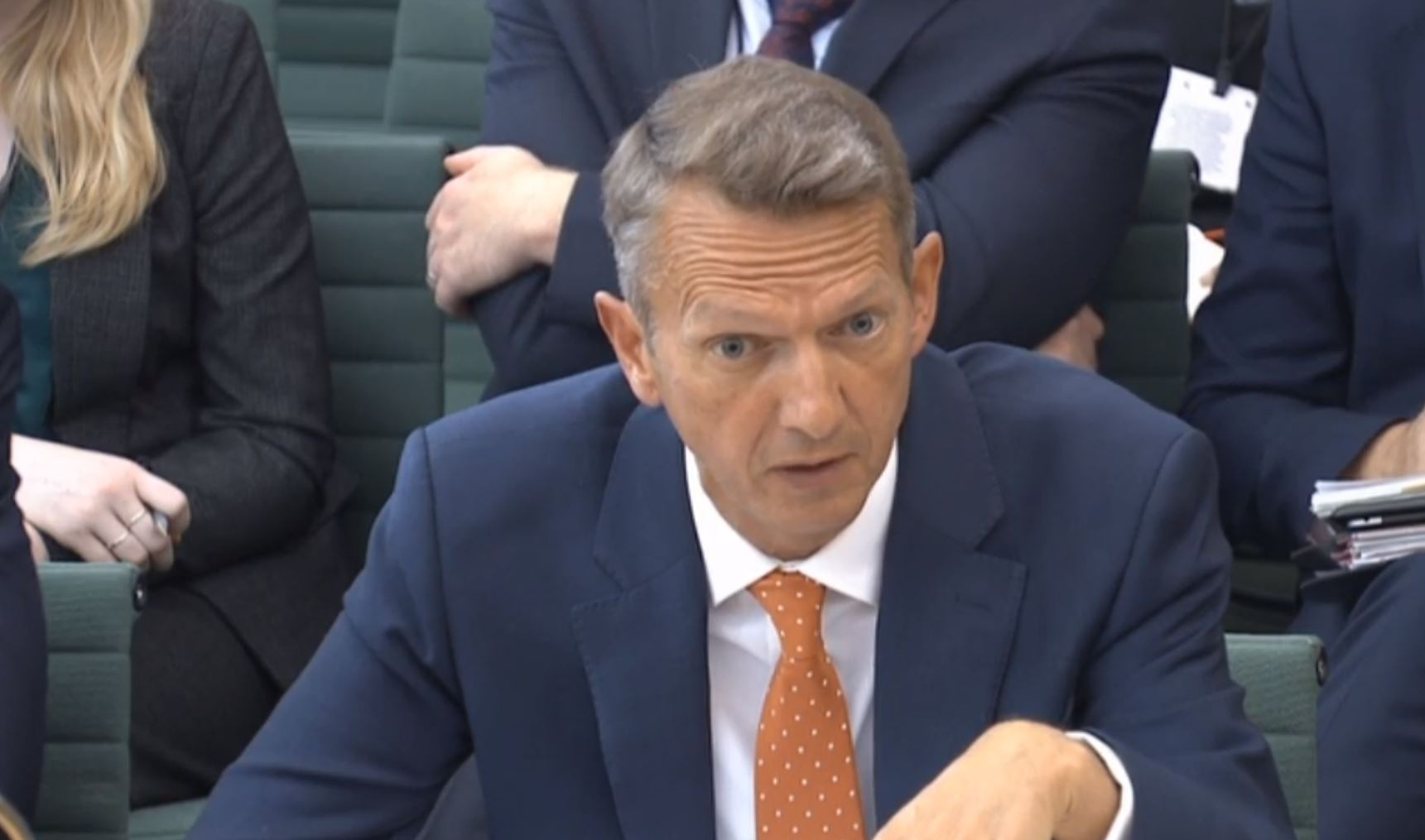
Bank of England chief economist Andy Haldane: Britain is facing a 'dangerous moment'.
The British government should prepare for a jump in inflation this year that will eat into the UK’s household living standards and force more low-income families into poverty, according to British economic think-tank the Resolution Foundation.
UK inflation is on course to rise above 4% in the next few months as the economy opens up and consumers begin to spend some of the savings they have built up over the past 16 months, the think-tank said.
Rising prices will squeeze average household incomes by £700 (€815) by the start of next year with low-income families among the worst affected, it has forecast.
With the UK government also planning to reverse a £20-a-week rise in universal credit, which was introduced last April, the foundation says there is the prospect of an even larger rise in poverty without government action.
About 6m people claimed universal credit in Britain last month, up almost 100% from the pre-pandemic total and before the first lockdown triggered a wave of redundancies and short-time working. The cut of £20 a week is due to take effect in the autumn.
Figures last week showed the UK consumer prices index measure of inflation rose sharply to 2.1% in the 12 months to May, up from 1.5% in April. The Bank of England and most City of London economists have forecast that inflation will rise to about 3% over the rest of the year before falling back to the central bank’s target of 2% next year.
At the time of the last UK budget, in March, the British treasury’s independent forecaster, the Office for Budget Responsibility, predicted inflation would remain at about 2% over the next year.
However, in a break with the consensus view, the Resolution Foundation said that prices could rise at a faster pace as consumers spend more of their savings accumulated over lockdown than previously expected, leading to a surge in demand for goods and services.
The situation could worsen as high levels of job vacancies and a shortage of raw materials and crucial components, such as computer chips, add to the pressure on prices.
The Bank of England’s departing chief economist Andy Haldane — one of nine members of the bank’s monetary policy committee which sets interest rates — said earlier this month that the “beast of inflation is stalking the land again” and that Britain faced a “dangerous moment”.
- Guardian service
CONNECT WITH US TODAY



Be the first to know the latest news and updates