Peter Brown: The hot stocks and metal for the climate change fight
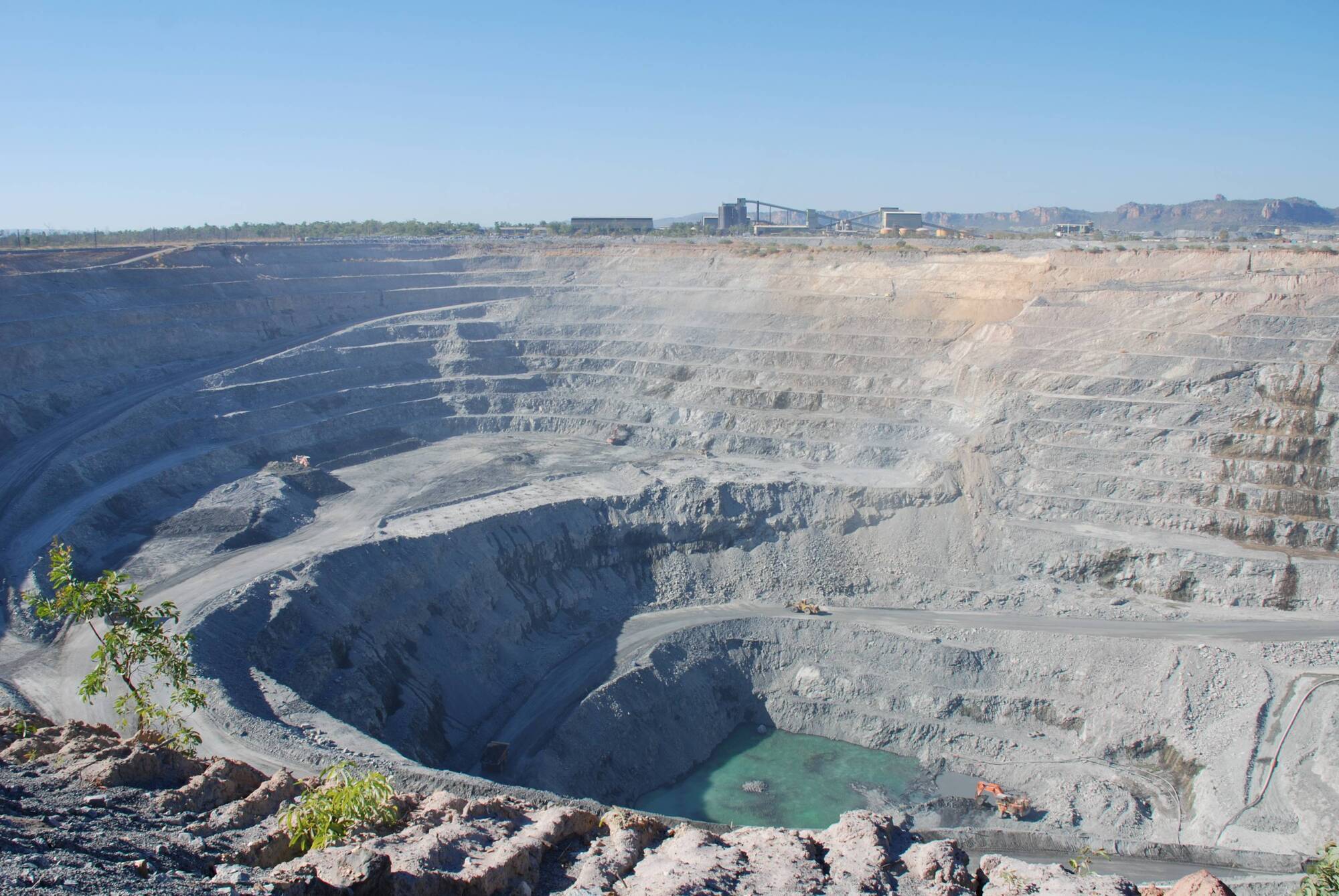
File picture of the Ranger Uranium Mine in Australia's Northern Territory.
Stockmarkets are focusing on the huge imbalances between supply and demand as the global economy roars back from the Covid crisis, hence the price of shipping containers has trebled, many raw materials are in short supply, and inflation is now dominating market thinking.
Inflation is bad for stock prices, if it leads to a rise in interest rates.
If rates were to rise, company earnings would be less attractive and therefore lead to lower valuations, and any correction to valuations could be severe.
The authorities in the US say recent price rises are transitory, a message the market has bought into. For the past decade passive investing has been extraordinarily successful.
Just buying the index has made substantial returns.
However, given the over-extended valuations of the US stocks, where may Irish pension funds are invested, means this strategy may come to an end. And looking for investments elsewhere, may mean the return of the stock picker.
There are a number of hot plays out there though caution is required because there has been some serious ramping of prices from all those US stimulus cheques.
Climate change stocks is one such hot stocks area. It includes electrical vehicle battery components and uranium metal. There are several ways to invest in uranium, so be careful.
In the past, we liked the uranium mining companies and investing in the miners has been a winner.
However, when you invest in a stock of a mining company you are exposed to how well it is run.
At the moment, we are invested in the metal itself, which has gained 20% this year but could have further to rise.
Carbon credit markets are a relatively new asset class for climate change.
The US special presidential envoy for climate John Kerry and senator Lindsey Graham have put their faith in international carbon markets as a way of fighting climate change.
My view is that a lot of the Covid stimulus investment in the US, Japan, and from Europe will be directed at the carbon market, because it will likely meet the environmental and social and corporate governance sustainable goals. It is where capital is going.
Carbon has a low correlation to all other asset classes and is already a large and growing market which governments fully support to boost green initiatives.
Targets to cut emissions by 2030 and beyond are quite aggressive, which all but guarantees carbon credits will increasingly be more valuable in time because they are limited in supply.
This is one of the most exciting long-term investments.

We like uranium as a long-term investment. It also has an exceptionally low correlation to traditional asset classes but the carbon-credit market absolutely dwarfs that of the metal.
Apart from considerations on climate change, we like a number of stocks based on conventional and simpler current metrics.
One such simpler play is the insurer FBD. We bought into the shares on the back of its price dip on the legal dispute over Covid pandemic insurance.
However, we believe the fundamentals of the company are strong and following the acquisition of RSA, smaller insurers may come into focus.
Just a note of caution; with all investments you need to be able to allocate in accordance with your risk profile.
These types on investment may not be suitable or accessible to all.
Also, you need to know when to cut and run.
- Peter Brown is senior investment advisor at Baggot Investment Partners at pbrown@baggot.ie
CONNECT WITH US TODAY



Be the first to know the latest news and updates