Reintroduction of water charges needed to meet climate targets, OECD warns
In its report, the OECD said Ireland “stands out” by not charging households for water services.
Reintroduction of water charges needed to meet climate targets, OECD warns

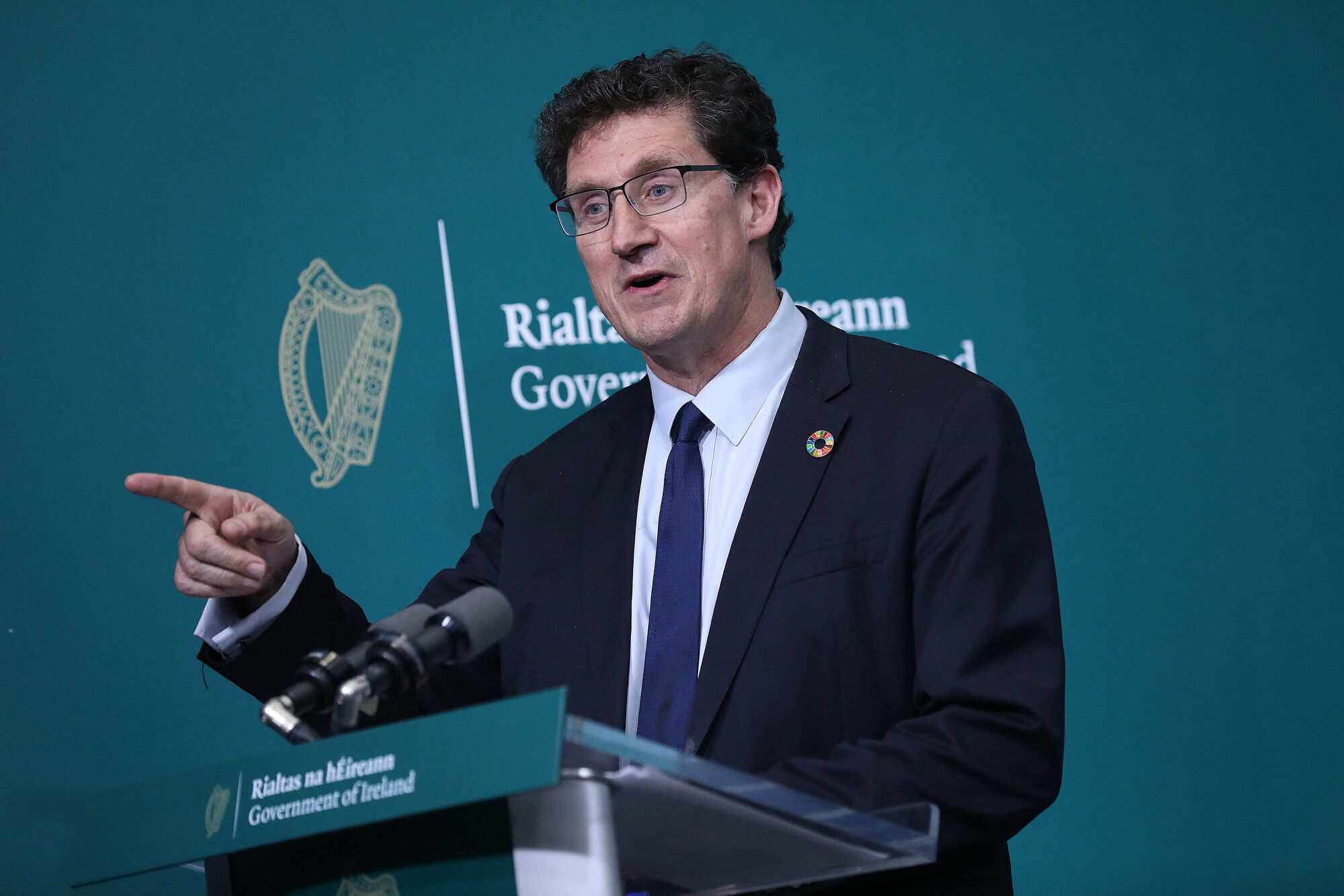
Environment Minister Eamon Ryan said Ireland faces "no small challenge" in meeting its 2030 climate change targets.

Ireland will find it “challenging” to meet its 2030 climate improvement targets, the international economic think-tank the OECD has warned.

Furthermore, the reintroduction of household water charges and the implementation of congestion charges - to help lower transport emissions - may be vital to achieving the overall targets, it said.

Ireland must “swiftly” and “urgently” implement the bulk of the recommendations in the Government’s Climate Action Plan if it is to meet its 2030 aims, the OECD said in its latest environmental performance review on Ireland.

While only briefly mentioning the short-lived, controversial and disastrous attempt to introduce water charges six years ago, the OECD suggested the State may not be able to afford the rising costs needed to adequately finance the water system in the near future as the population – and, with it, demand - grows.

In its report, the OECD said Ireland “stands out” by not charging households for water services. However, late last year the Government rejected the idea of a return to domestic water charges.

Overall, Ireland is looking to cut carbon emissions by 30% and generate 70% of its electricity and energy from renewable sources, like wind and solar power, by 2030.

'Uneven' progress

The OECD said while Ireland’s renewable energy market is growing, progress has been “uneven” and there is currently not enough infrastructure to meet the overall climate change targets.

It said more investment in the renewable sector is needed. 

There has been “insufficient” research and development investment in the areas of environmental and energy research and the Government must increase R&D spend, with Ireland currently languishing near the bottom of the table of OECD members in this regard.

In its report, the OECD hails the Climate Action Plan as “a major step forward in Ireland’s climate mitigation policy”, but said putting it into action will cost a lot of money.

The OECD said Ireland’s climate plan – which includes around 200 targets largely focused on lowering household and transport emissions – should include more ways to tackle agriculture-led pollution and should be central to the National Development Plan currently under review.

“Achieving the climate objectives is challenging. The plan’s implementation requires considerable investment and financial resources, but these have not been sufficiently assessed. Given public finance constraints, mobilising the private sector and financial markets is crucial,” the OECD said.

The OECD said Ireland’s climate goals are “ambitious”, but said the country needs to “follow through” on them and “more determined action” is needed to tackle emissions from buildings, transport and agriculture and lower the dominance of fossil fuels in the energy mix.

A removal of tax rebates encouraging fuel waste and higher tax on conventional cars, as a way of promoting electric vehicle use, must also be considered, the OECD said.

Environment Minister Eamon Ryan said he is confident Ireland can meet its objectives.

CLIMATE & SUSTAINABILITY HUB

More in this section

The Business Hub

Newsletter

News and analysis on business, money and jobs from Munster and beyond by our expert team of business writers.

Cookie Policy Privacy Policy Brand Safety FAQ Help Contact Us Terms and Conditions

© Examiner Echo Group Limited