Time to build 'resilience' as drive for 21% global tax rate picks up pace
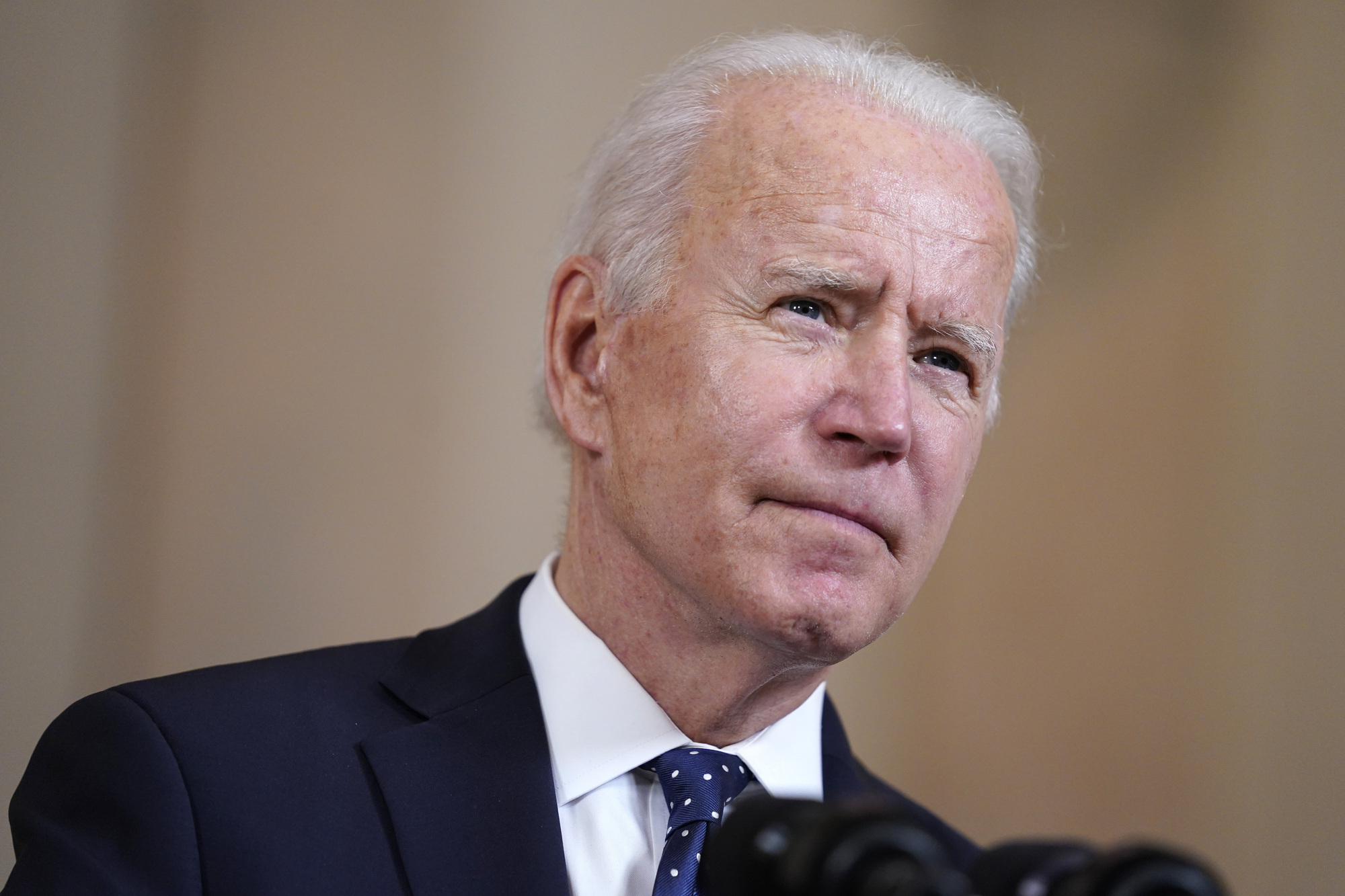
A proposal by US president Joe Biden to set a minimum level of 21% for multinationals is the biggest threat to Ireland's 12.5% competitive corporate tax rate since the regime came into place three decades ago. Picture: AP Photo/Evan Vucci
Challenges are looming with the proposed overhaul of the way multinationals are taxed around the world, but Ireland will have some time to prepare for the likely hit to government revenues, Finance Minister Paschal Donohoe has said.
Mr Donohoe told the Oireachtas budgetary oversight committee there were "clear downside risks" to the exchequer from global tax reform, but there was time "to build up the resilience" before any plans come into place.
The finance minister's remarks come as the unprecedented global agreement between the US and the largest European economies to strike an agreement over a minimum global rate for large corporates to pay on their tax bills is picking up speed, with predictions that some sort of accord could be struck as early as this summer.
Analysts have warned that a proposal by US president Joe Biden earlier this month to set a minimum level of 21% for multinationals is the biggest threat to Ireland's 12.5% competitive corporate tax rate since the regime came into place three decades ago following the debt crisis of the late 1980s.
The exchequer also befits from the income taxes paid by the 240,000 people employed by foreign-owned firms here, with US multinationals accounting for around half of that total.
The higher that any global tax rate is struck above 12.5%, the more the competitiveness of Ireland's regime is diluted.
France and Germany have now given their backing to the US proposal for the 21% minimum tax on multinational companies, adding momentum to efforts to overhaul global rules despite reluctance from some smaller European countries, including Ireland.
"If the Biden administration proposes a 21% rate and there is consensus, it would be acceptable for us,” French finance minister Bruno Le Maire told and newspapers in a joint interview with his German peer Olaf Scholz.
“It is important that we agree on a percentage — where exactly that will lie, the talks in the next few weeks will determine,” Mr Scholz said.
“We have good hope to reach a deal this summer,” he said.
The other pillar — where companies pay tax — is likely to prove even trickier as countries have long been at odds over whether the new arrangement would capture all the biggest technology firms.
Countries such as France have said digital giants must be the target of new rules, while successive American governments have rejected any ring-fencing.
To resolve that issue, the Biden administration proposed a relatively simple model based in part on profitability that isn’t restricted to specific business types.


CONNECT WITH US TODAY



Be the first to know the latest news and updates