European airlines turn to bailouts and soft loans during Covid pandemic
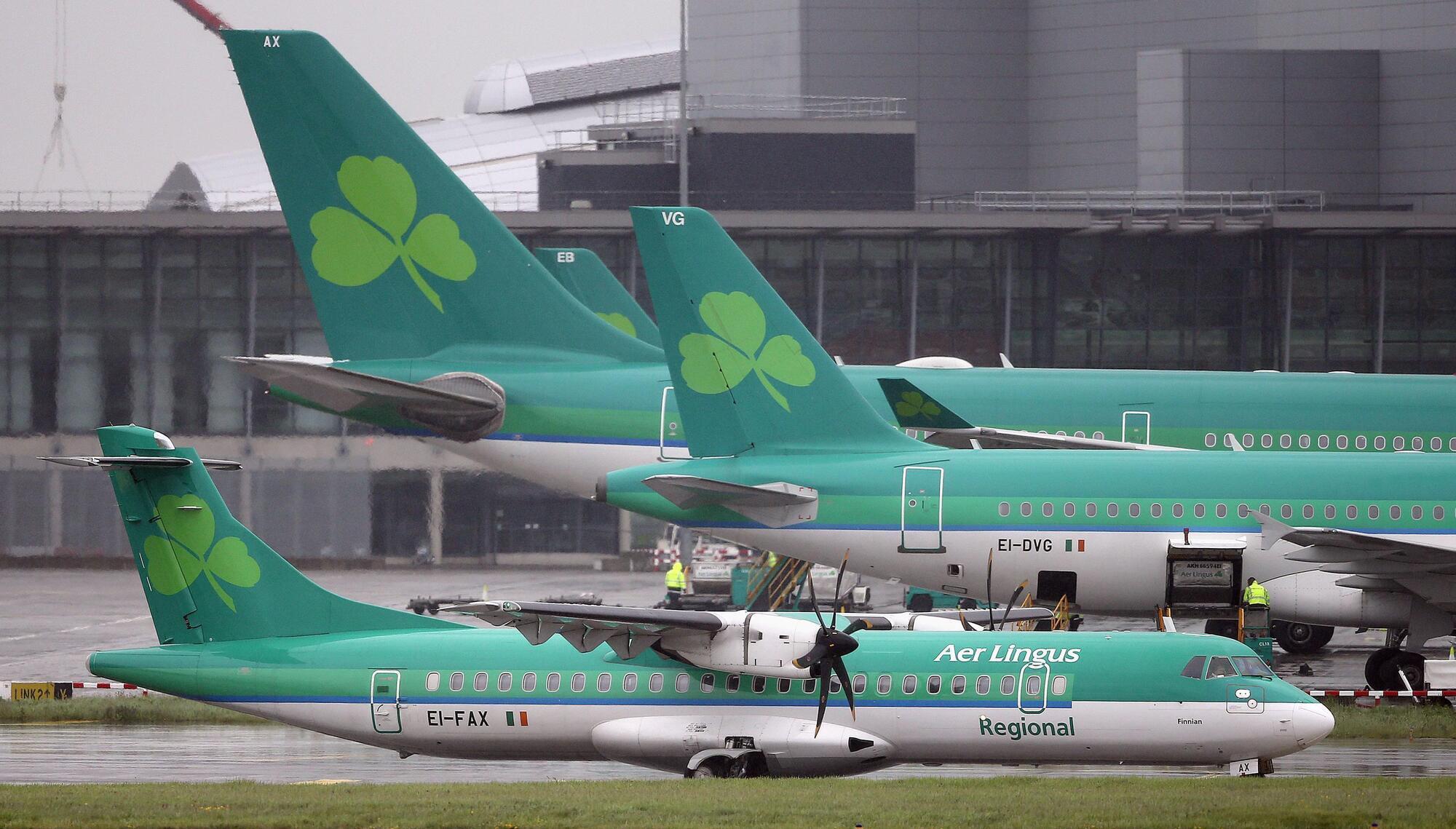
Apart from direct state aid in some cases, airlines, including Aer Lingus, have also tapped millions of euro in public wage-subsidy schemes and in government soft loans.
Decades after privatisations and deregulation from government control, many of Europe’s largest airlines are being forced back into the arms of states by the pandemic.
With air travel still showing no signs of recovery, the airlines may have to contend with their saviours as powerful shareholders for some time to come.
Air France-KLM this week became the latest to get a €4bn bailout that will see the French government reemerge as its biggest shareholder with a stake of up to 30%.
The flag bearer joins Lufthansa, Alitalia, Sweden’s SAS, and TAP Air Portugal to see a bigger state presence following aid sought to cope with one of the industry’s worst crises.
Airlines have been among the hardest hit by Covid-19, which decimated air travel.
Apart from direct state aid in some cases, airlines, including Aer Lingus, have also tapped millions of euro in public wage-subsidy schemes and in government soft loans.
Prior to Tuesday’s Air France-KLM announcement, EU states had channeled at least €23bn into airlines through loans, guarantees, capital injections, and grants.
Airlines the world over have received state aid. In June, Cathay Pacific sold preferred stock and warrants to the Hong Kong government convertible into a stake in the airline. Singapore Airlines raised funds in a rights issue backed by state investor Temasek.
In the US, the government has made about $50bn (€42bn) in aid available for carriers since the start of the pandemic in the form of grants and loans to cover employee costs.
The 1990s also saw the EU’s deregulation of the airline industry, boosting low-cost carriers including EasyJet and Ryanair.
In 2015, then transport minister Paschal Donohoe, controversially agreed to sell the State's remaining stake of 25% in Aer Lingus to IAG, the British Airways and Iberia owner then headed by Willie Walsh.
Ryanair at the time had been ordered on competition grounds by EU and UK authorities to sell down the 29.8% stake it held in Aer Lingus, and Etihad, the Abu Dhabi airline, which then owned over 4% of Aer Lingus, also did not move to block the IAG bid.
Mr Walsh went on to convince the Government that IAG would retain the 23 or 24 so-called paired-slots from Dublin, Belfast, Cork, and Shannon into crowded Heathrow, and not switch them in time to service other international routes. Critics of the proposed deal said at the time that even if the Government were to secure commitments from IAG that in the long term air-connectivity onto the island would be better secured by keeping Aer Lingus as an independent airline.
“For many airlines, the absence of government support could ultimately mean disaster, especially for the large carriers,” said Shukor Yusof, the founder of aviation consultancy Endau Analytics.
All that has not stopped discount carriers such as Ryanair and Wizz Air Holdings Plc from crying foul. They argue that bailouts will distort the market and create an unfair advantage.
Ryanair, which on Wednesday warned that it will struggle to return to profitability this year, has filed more than a dozen court appeals against EU approvals. It argues that such aid unfairly discriminates against it and will help rivals to emerge stronger, slash fares and swallow up others.