ECB president blasts Bitcoin's role in facilitating crime  
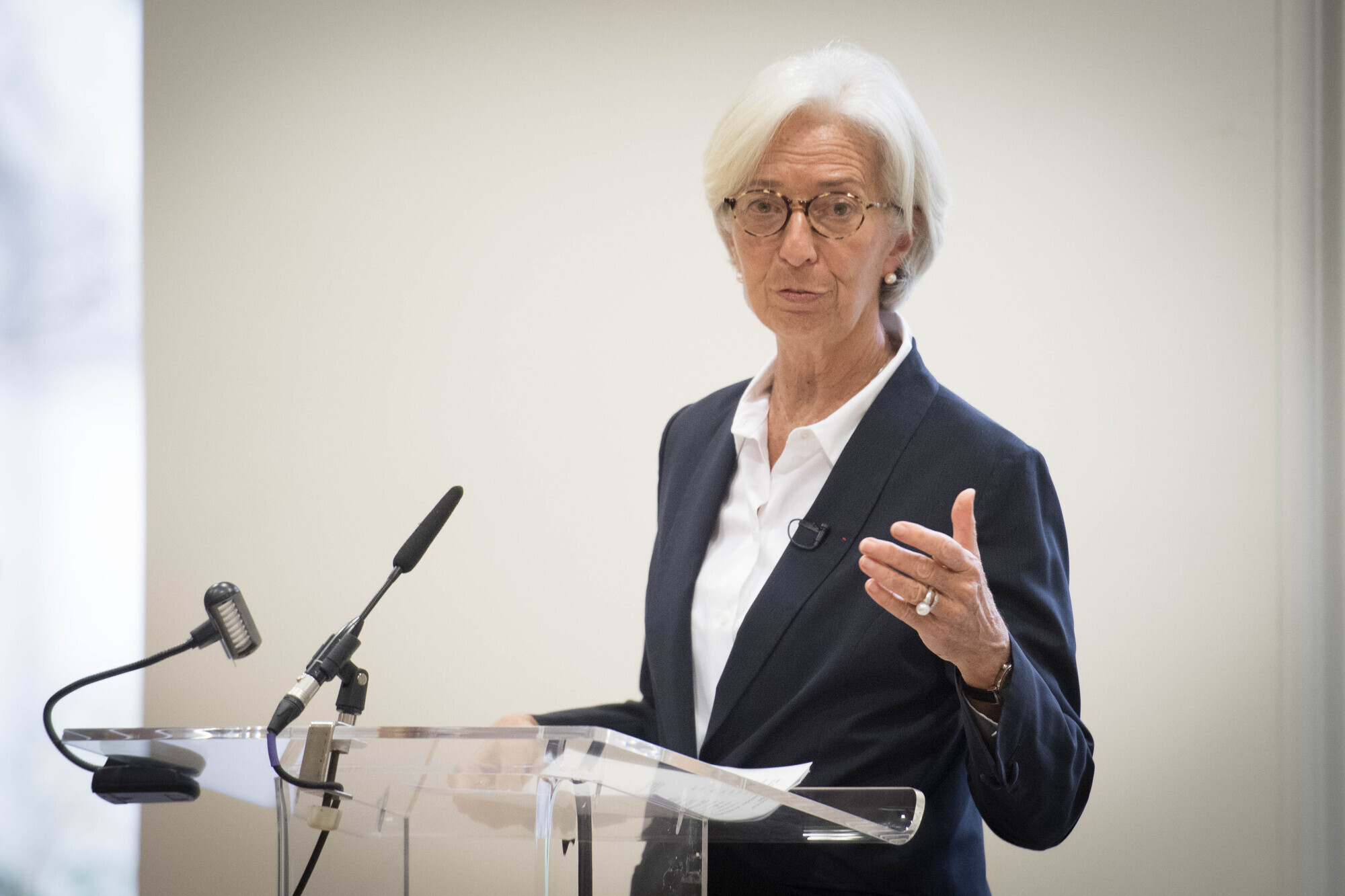
'This is an asset and it’s a highly speculative asset which has conducted some funny business,' says Christine Lagarde, as cryptocurrency hits records in market
ECB president blasts Bitcoin's role in facilitating crime  

Christine Lagarde: 'For those who had assumed that it might turn into a currency — terribly sorry, but this is an asset.'

ECB president Christine Lagarde has taken aim at Bitcoin’s role in facilitating criminal activity, saying the cryptocurrency has been enabling “funny business". 

“For those who had assumed that it might turn into a currency — terribly sorry, but this is an asset and it’s a highly speculative asset which has conducted some funny business and some interesting and totally reprehensible money-laundering activity,” Ms Lagarde said. 

The remarks, made in a conversation largely focused on the eurozone's economic outlook, show top policymakers are taking notice as a speculative fever sweeps cryptocurrency markets. Bitcoin prices have more than doubled since November and topped a record $41,000 earlier this month.

Bitcoin offers users a degree of anonymity, making it a popular vehicle for criminal behaviour. 

Earlier this week, German police took down what they believe was the world’s largest illegal 'Darknet' marketplace, shuttering a platform that about half a million people used to trade drugs and cryptocurrencies, including Bitcoin.

Central banks, including the ECB, are increasingly focused on developing their own digital currencies. In part they’re being spurred by the attention given to cryptocurrencies and the desire to offer an official alternative to cash for the digital age.

Concerns over money laundering and the ability of financial firms to know the identities of their clients have been at the forefront of the cryptocurrency debate. While critics say that instruments like Bitcoin make the illicit transfer of funds easier, crypto advocates say the network of digital ledgers known as the blockchain allows money to be traced more easily than cash and can actually help law enforcement.

The US Treasury recently proposed requiring banks and other intermediaries to verify customer identities for certain transactions.

In the latest session, Bitcoin resumed declines as the digital coin heads for its worst week since March last year, a drop that has raised questions about the outlook for the cryptocurrency boom.

Bitcoin fell as much as 6.8% to about $32,359 before paring some losses. It hit a record near $42,000 on January 8 and then tumbled to a low of around $30,300.

The price swings evoke memories of Bitcoin’s December 2017 bubble that was followed by a rapid collapse. 

  • Bloomberg

x

More in this section

The Business Hub

Newsletter

News and analysis on business, money and jobs from Munster and beyond by our expert team of business writers.

Cookie Policy Privacy Policy Brand Safety FAQ Help Contact Us Terms and Conditions

© Examiner Echo Group Limited