Sterling rallies on Brexit deal but is still close to its year low
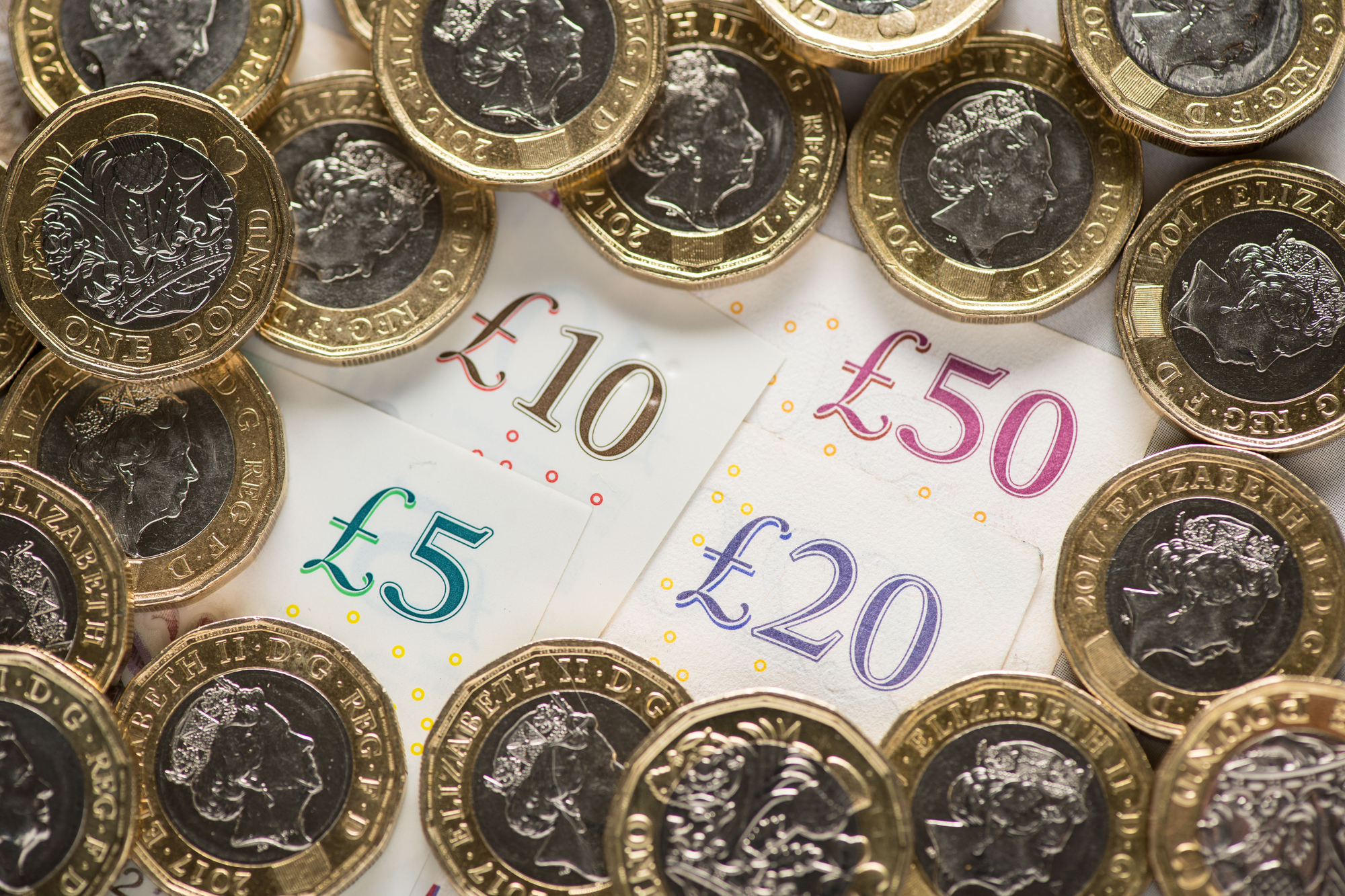
The UK currency had slid from 73 pence on the eve of the 2016 referendum.
As the dust settles over the Brexit trade deal, sterling is still trading close to its lowest levels of 2020, suggesting that the economic costs facing Britain from the Covid-19 crisis are weighing on currency investors.
Since the UK voted in June four years ago to leave the EU, sterling has been a reliable measure of traders' fears that the British government would by accident or otherwise crash out of the EU without first securing a trade deal.
The limited deal that the two sides sealed last week removed a worst-case outcome, helping sterling strengthen from 92 pence in the week when the Calais-Dover route was shut earlier this month, to trade at around 90 pence on late Tuesday.
However, sterling is still weaker than the 89 pence level it reached as recently as September and compares badly with the currency's highest level this year of 83 pence, before the onset of the Covid crisis in February, and 85 pence on this day last year.
The UK currency had slid from 73 pence on the eve of the 2016 referendum.
While the historic trade agreement averted a catastrophic scenario that would have seen the UK crash out of the EU on December 31 without a deal in place, it covers mostly goods, and offers little clarity for financial firms, and doesn’t include commitments on their market access. The services industry makes up about 80% of the UK economy.
“This is markets slowly but surely acknowledging that this is not an optimal deal for the UK,” said Andreas Steno Larsen, global chief strategist at Nordea Bank.
"Most London-based banks didn’t exactly sound upbeat after the deal content became known, which could be a signal that the lack of agreement on financial services is an uncertainty that the pound will have to deal with through the first half of next year,” he said.
The pound’s “weakness indeed is likely due to profit-taking as well due to still high uncertainty as regards Brexit,” said Thu Lan Nguyen, a foreign-exchange strategist at Commerzbank.
“There are still open questions regarding services trade, which is quite crucial for the UK economy as this is where its comparative advantage lies,” she said.
UK stock markets continued to advance amid relief that a trade deal had been struck. The Ftse-350 index, which more accurately reflects British domestic companies, rose 1.8%. Irish shares ended mixed. AIB shed 4.4% and Ryanair gained 3.6%.

CONNECT WITH US TODAY



Be the first to know the latest news and updates