AstraZeneca vaccine raises questions on shot that works better in small doses
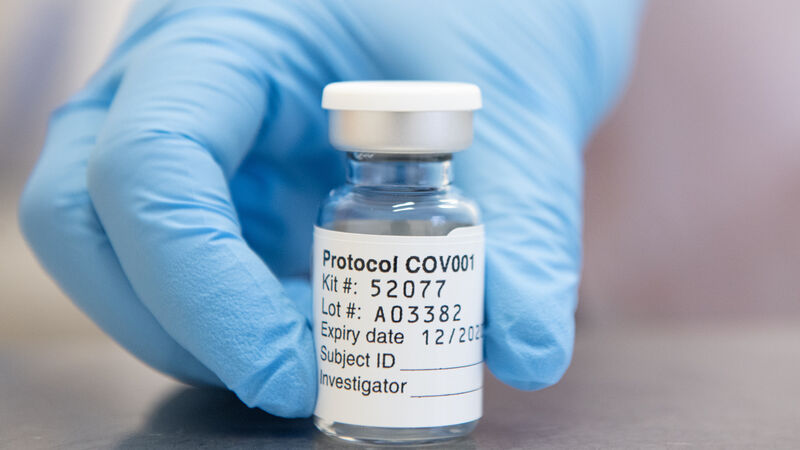
AstraZeneca’s president of biopharmaceuticals Ruud Dobber: 'Let’s be a bit more patient and see how the FDA will react'. Picture: University of Oxford
The news reached Sarah Gilbert on Saturday evening that the Covid-19 vaccine she’s developed with AstraZeneca appeared to work. But the University of Oxford professor had expected a key number: Was it more than 90% effective, as others have been — or less?
Instead, when her colleague Andrew Pollard called with the results, he wanted to show her slides rather than simple figures. “I didn’t really understand why we would have to go through slides,” she recalled. “But then it became clear — because it’s rather more complicated in our trial.”


CONNECT WITH US TODAY



Be the first to know the latest news and updates




The Business Hub
Newsletter

News and analysis on business, money and jobs from Munster and beyond by our expert team of business writers.
The Business Hub
Newsletter
News and analysis on business, money and jobs from Munster and beyond by our expert team of business writers.

Lunchtime News
Newsletter
Keep up with stories of the day with our lunchtime news wrap and important breaking news alerts.
Revoiced
Newsletter
Sign up to the best reads of the week from irishexaminer.com selected just for you.
Most Read
Friday, April 3, 2026 - 7:00 PM
Friday, April 3, 2026 - 9:00 PM
Friday, April 3, 2026 - 2:00 PM