Analysis: Expect no let-up in threat to pharma jobs in Ireland under either Biden or Trump
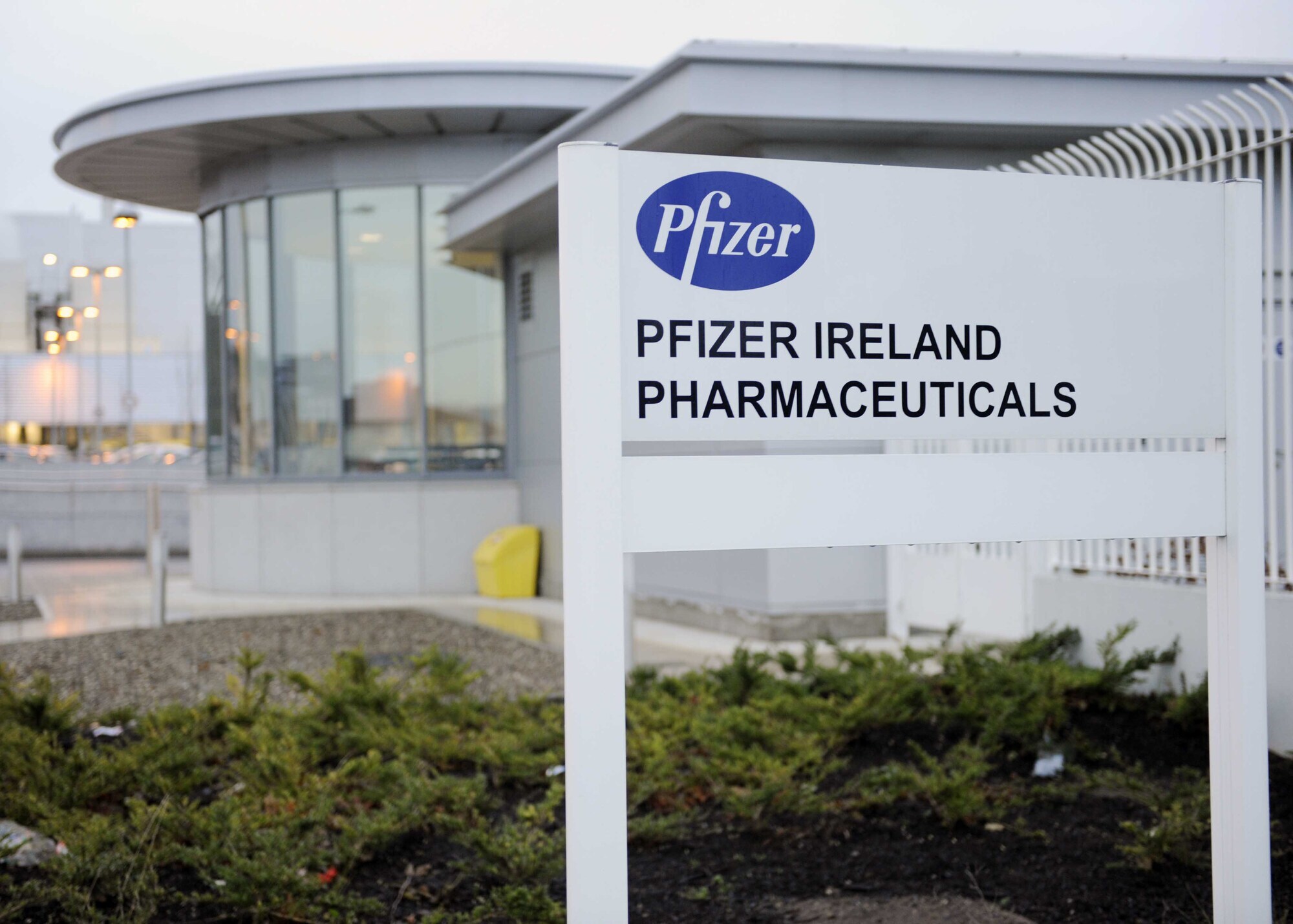
The Pfizer plant in Dun Laoghaire. Picture: Sasko Lazarov/RollingNews.ie
There’s no hiding from the fact that the re-election of Donald Trump would be the worst of the two outcomes threatening prosperity in Ireland, but there are huge risks to Irish pharmaceutical jobs no matter who secures the White House.
President Trump in a second term would likely be emboldened and double down on his pledge to get back American manufacturing jobs, which he claims have been stolen by foreign governments.
There is nothing new in US presidents threatening to do their worst about overseas jobs — Barack Obama, in the final year of his administration, moved decisively to close down tax loopholes that helped a large number of US pharma firms to magically flip their presence out of places like North Carolina and into Ireland.
The bad news for Ireland is that President Trump repeatedly, and most recently last spring, had singled out Ireland for unfairly hoarding a huge number of jobs that maybe should migrate back to the US.
When President Trump talks about jobs created by US multinationals in Ireland, he is not automatically thinking of Google, Apple, Twitter, Facebook, or LinkedIn, which employ many thousands in Ireland.
Apple, which employs 6,000 people in Cork, makes and assembles, through huge suppliers like Foxconn, much of its iPhones in China — the world’s manufacturing superpower which President Trump has targeted for his ineffectual economic trade war the past four years. Although it is notable that the president has rarely launched attacks on Apple boss Tim Cook.
Mr Trump, most likely, will not be across the details, but there were many in his administration — which includes commerce secretary Wilbur Ross, the man who made millions from his Irish Government-favoured investment in Bank of Ireland during the global economic crisis — who knows this country only too well.
When the president has talked about bringing jobs back home, in Ireland’s case, it is a threat to pharmaceutical manufacturing jobs. And the number of people employed by US pharma in Ireland is remarkable. Take any from the sample of the US drug giants of Pfizer, Johnson & Johnson, and Allergan, which all have big facilities here.
Pfizer this week unveiled new plans to create more jobs, including at facilities in Co Cork, Co Kildare, and west Dublin, increasing its Irish jobs count to over 4,000.
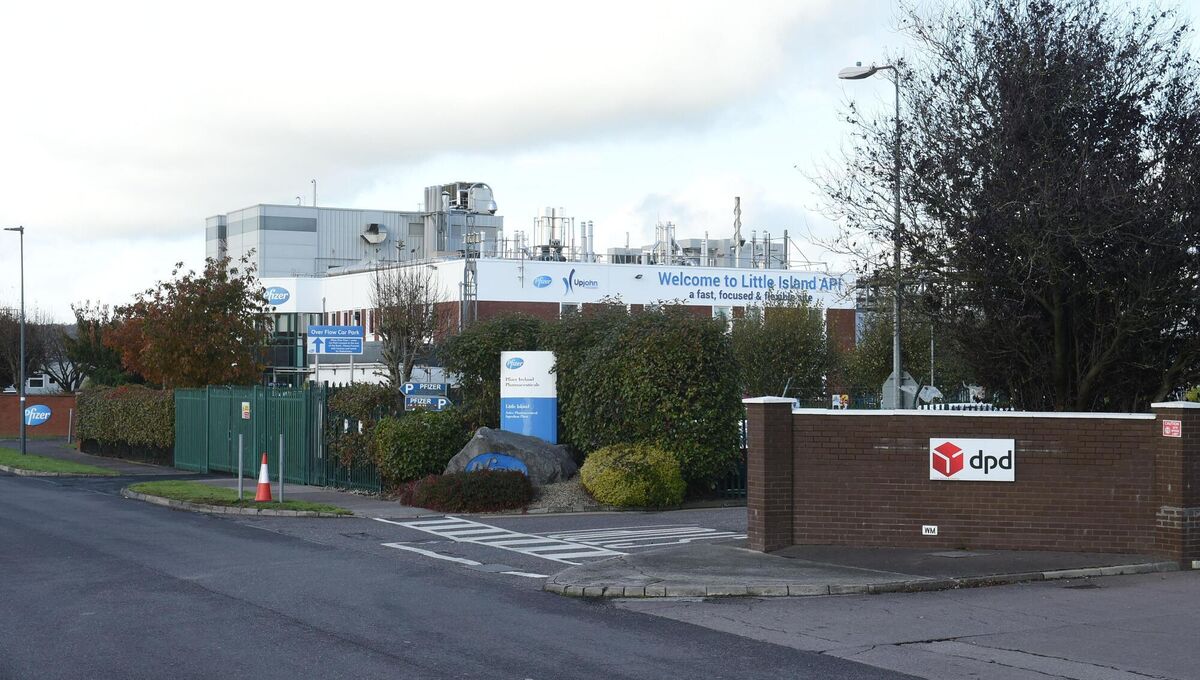
Johnson & Johnson employs 2,200 people across the State, including at manufacturing plants in Cork and Limerick. Then there is Allergan, with a new owner AbbVie, which has a large chunk of its 18,000 global employees based here.
There are other ways of measuring the key role pharma plays in Ireland. The CSO's latest trade figures showed that of €14bn worth of goods exported in August, pharmaceutical and medical device exports accounted for €5bn. And the importance of pharma in supporting the Government's finances is playing out again, in the economic crisis sparked by Covid-19.
Government officials have been cheered by the outcome of the corporate tax receipts which are taking in about €2bn more in revenue this year, despite the revenue scare in October’s returns.
The campaign pledge by Mr Biden to undo part of the Trump tax cuts and hike the headline US corporate tax rate to 28% from 21%, was seen as boosting Ireland's attractiveness to US companies. However, the prospect of a tax increase now looks unlikely, given the Democrats' failure to win the Senate.

Gerard Brady, chief economist at business group Ibec, warns that though the tone may change if Mr Biden secures the White House, substantive policies over trade and tax interests would likely stay the same. And international plans to reform global tax may continue to be blocked by a Biden White House, Mr Brady said.
Economist Jim Power said he has long believed that a Biden victory would be better for Ireland because the Democratic challenger favours multilateral engagement, and sees the US-owned pharma giants as providing "the anchor" that kept the Irish economy afloat in the last six months.
There are many other moving parts involving the US multinationals in Ireland, said UCC economist Seamus Coffey. In the end, the competition lawsuit advanced by the US Department of Justice against Google last month, data protection issues, and other regulatory moves against big tech may play a bigger part.
However, many believe that the US will continue to seek to bring manufacturing jobs back home — and that will remain a threat to the huge number of pharma jobs in Ireland.
CONNECT WITH US TODAY



Be the first to know the latest news and updates