Suit makers taking a hit as home working takes hold
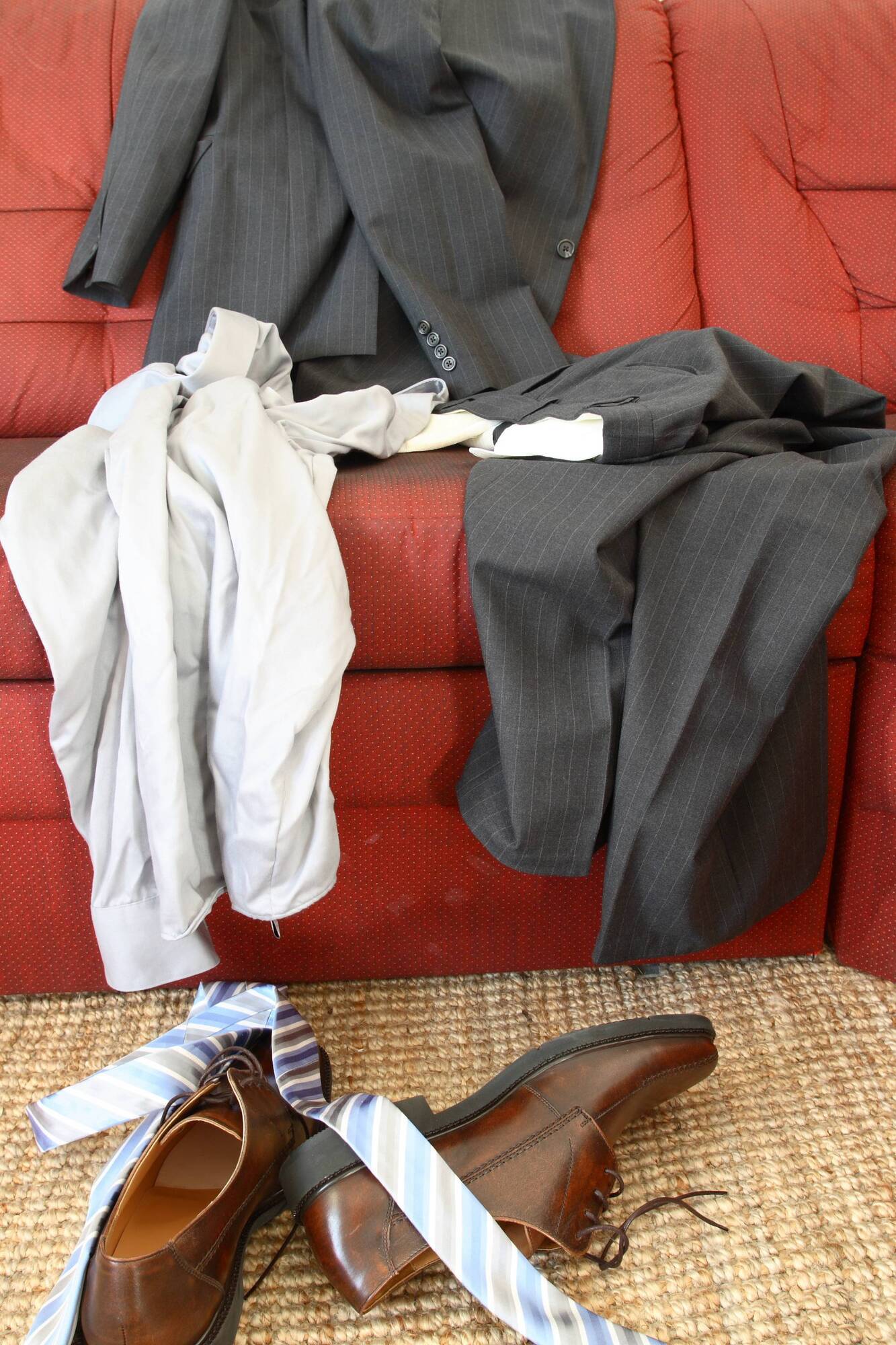
Home working has led to a slump in suit sales
Italian luxury designer makes men’s suits that sell for up to €7,000.
But even he — like most people across the globe — hasn’t worn a suit for months, let alone bought one.
“We’ve all been locked away at home, so this is the first jacket I have put on since March,” Mr Cucinelli said as he presented his latest collection in September, wearing a light grey blazer.
Most people in “white-collar” jobs are working from home, with a newfound love of sweatpants, a trend that some experts expect to outlive the pandemic. And few, if any, weddings or parties are taking place.
This seismic shift in behaviour is having profound repercussions across the supply chain for suits and formal wear, upending a sartorial sector spanning every continent.
In Australia, the world’s biggest producer of merino wool, prices have been in freefall, hitting decade lows. Many sheep farmers are in dire straits, storing wool in every available shed in the hope of a rebound.
In northern , the wool mills that buy from the farmers and weave the fabric for high-end suits have seen their own orders from retailers nosedive.
In the US and Europe, several retail chains specialising in business attire such as Men’s Wearhouse, and Lewin have closed stores or filed for bankruptcy over the past few months, and more could follow.
Players at all levels are being forced to adapt to survive, from farmers turning to other forms of agriculture to mills making stretchier fabrics for a new breed of suits that don’t crease easily and are more resistant to stains.
“People want to be more comfortable and are less inclined to wear a formal suit,” said , managing director of Lanificio Botto Giuseppe, a wool mill in ’s textile hub of Biella which counts Armani, , and Hermes among its customers.
“With Zoom conferences and smart working, you’ll see men wearing a shirt, perhaps even a tie, but not many suits.”
Fine wool prices in have more than halved during a tumultuous 18-month period, as usually healthy purchases of merino wool from mills have almost ground to a halt.
, managing director of New England in New South Wales, which sources wool from farms for Italian textile makers, said many buyers now had excess supplies.
“They’ve all got wool to get rid of before they even come back to the market here,” he said.
“If the shops aren’t open, everything just backs up. A lot of the orders we had bought wool against just got cancelled by their clients in the US and around Europe.”
Suits ranked among the highest-discounted and lowest-selling items in , Italy and Germany in September.
Cheaper to mid-market labels including Asos, Topman, Guess and had the steepest markdowns, at up to 50%.
— Reuters