Putting the port on the path for growth
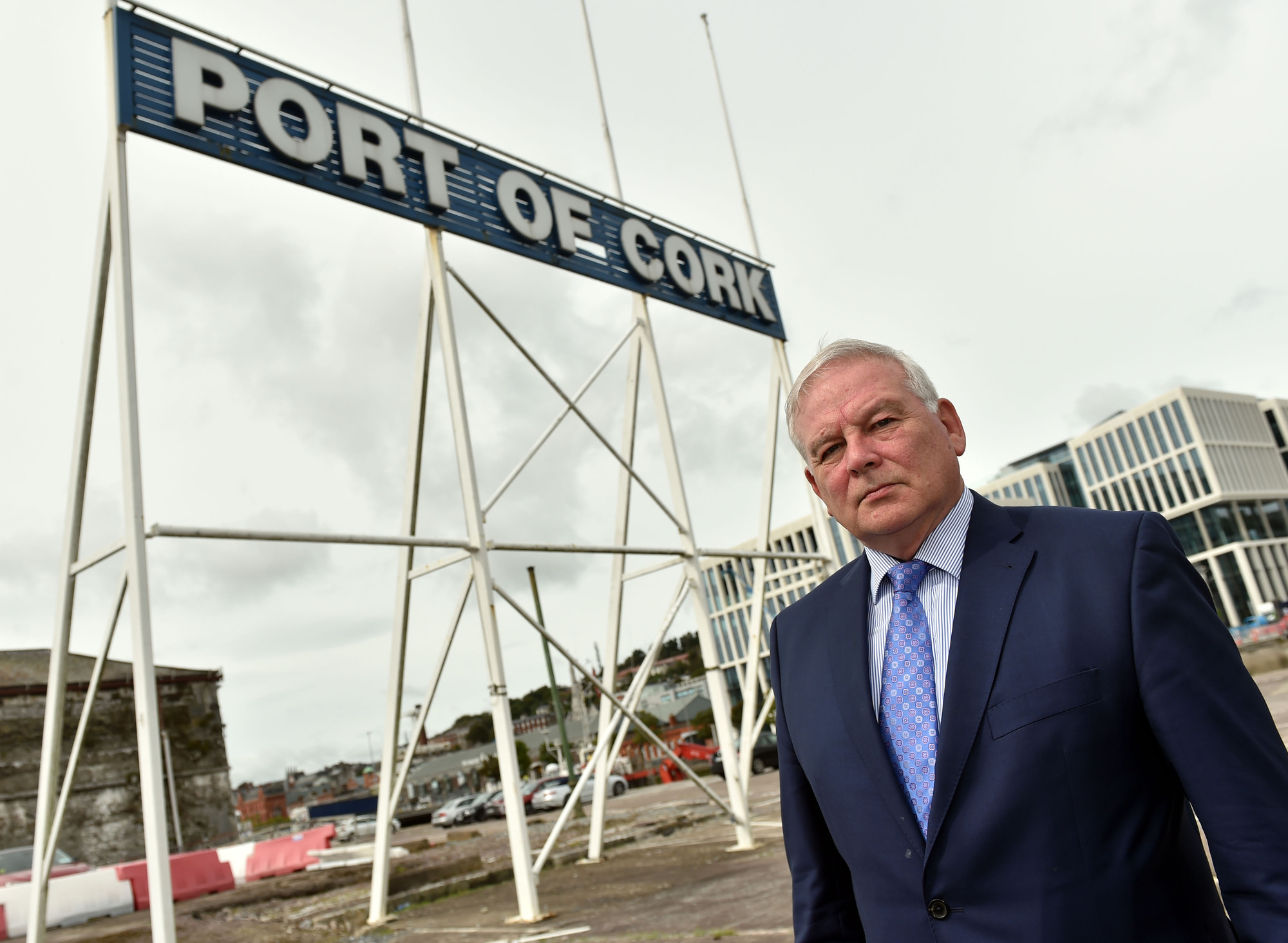
Despite the challenges and uncertainty caused by the global pandemic, the outgoing chief executive of the Port of Cork said the company is positioned for significant further growth in the coming decades.
Brendan Keating brings his almost 18 years at the helm of the company to a close this month at a time of significant change in Cork Harbour.
He has paid tribute to the 155 Port of Cork employees who made significant efforts to keep supply lines open every day this year, most notably during the lockdown. However, Covid-19 has still had a significant impact on operations and finances.
"There is no doubt it will have an impact. We expect a reduction in revenue in 2020 of between 22% and 24% it could even go as far as 25%," he told the Irish Examiner. The port has seen the loss of the cruise business this year and there is uncertainty as to when that business will return.
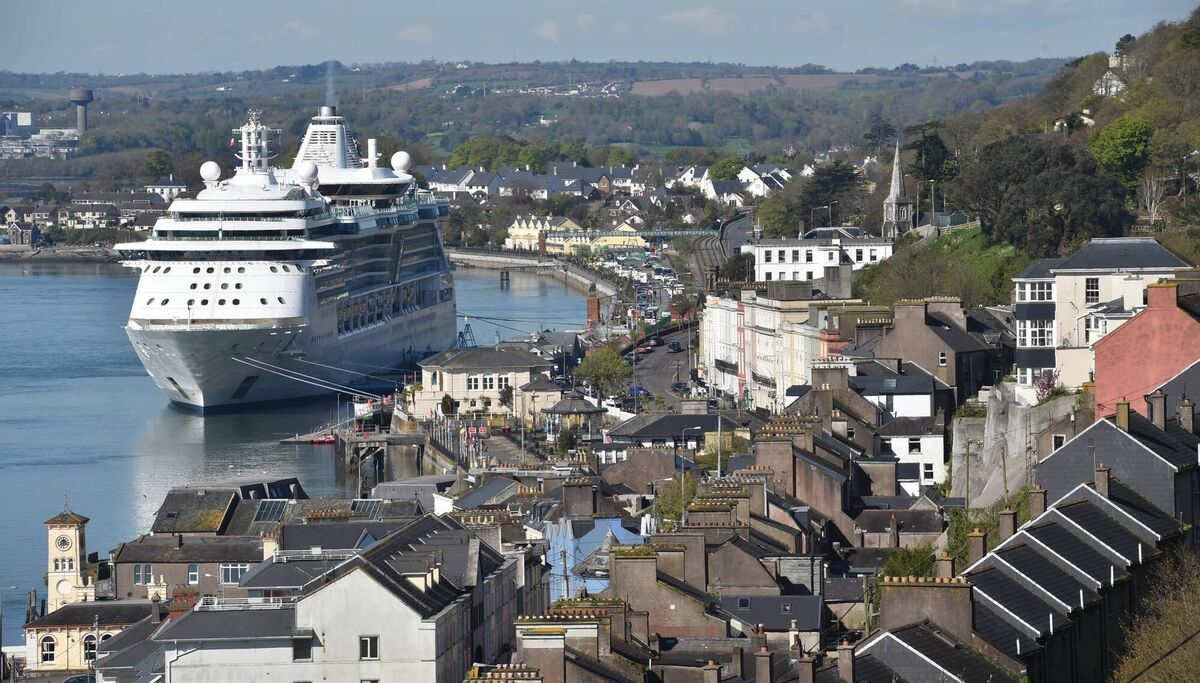
"We think the cruise liners will come back but in a changed format. It's very very difficult in August 2020 to predict what it will look like in August 2021 but it will be changed. It's very doubtful that we will see as many of the United States domiciled vessels in Europe next year. Maybe when there is a vaccine, hopefully, we will see a return of the cruise industry back to a level that we had been able to grow to."
The port company is also on the cusp of a historic move that will see operations move from the city quays and Tivoli down to the lower harbour. The move will free up key pieces of land to allow the city to further develop but as Keating makes clear the changes will also position Cork and the wider region for much larger expansion.
"The new €86m Cork Container Terminal in Ringaksiddy will be the only facility of its kind in the country when it opens next March. It's a state-of-the-art terminal which can accommodate much larger ships than we could up to now reaching 13.5 metres in depth," he said.
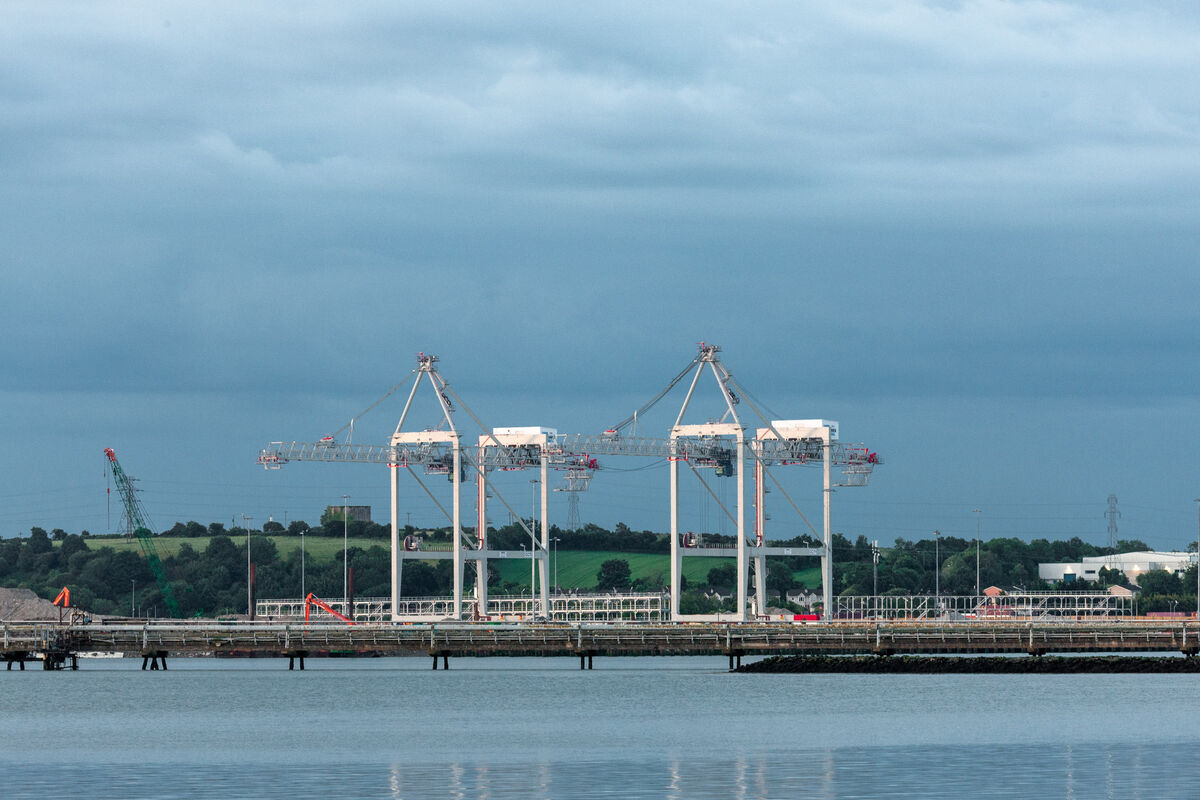
The aim is to allow Cork handle much larger cargo ships that cannot be accommodated at Tivoli and Keating said they are already seeing interest in the development pointing to the new weekly ICL service between Cork and the US. "The large ocean-going vessels which we could have never dreamt of accommodating in Tivoli or the Cork city quays will be comfortably handled in Ringaskiddy and will provide further opportunities to grow trade volumes through the port.
Keating took up the role in 2002 having served as the City Manager for Limerick and the Assistant City Manager for Cork before that where he worked alongside port officials on major infrastructure projects like the Jack Lynch Tunnel.
In the early part of his tenure, the Port of Cork had strong bulk trade because of companies like Irish Steel and IFI. However, competition in roll-on/roll-off ferry traffic, particularly from the east of the country gave them the opportunity to focus on the container lift-on/lift-off traffic.
"At the stage, we set out to look for new business and led by the senior executive we secured new customers like Lisheen Mine in Tipperary, we developed the bulk solid business and developed the cruise line terminal in Cobh which attracted 100 visits last year, up from 96 the year before."
With port operations moving to the lower harbour the company will also move its headquarters from iconic Custom House to Ringaskiddy. Cork City Council is currently assessing a planning application for a major hotel development on the Custom House site that would see the historic bonded warehouses maintained and refurbished.
The move does bring to an end the centuries-old link between the port company and the city but Keating said it is vital that Cork maintains its maritime heritage.
"Cork is a port city built around the marshes to accommodate shipping. The history of this port, the merchants who traded in and out of here for so long, The Innisfallen which sailed from the city quays, all of these things are an essential component of the city we are strongly of the view that nothing should be done to compromise that heritage."
"The city quays are currently owned by the Port of Cork but in time they will be purchased, I have no doubt by Cork City Council, and that will enable the development of the Docklands area. There are very productive discussions taking place with Cork City Council in that regard."
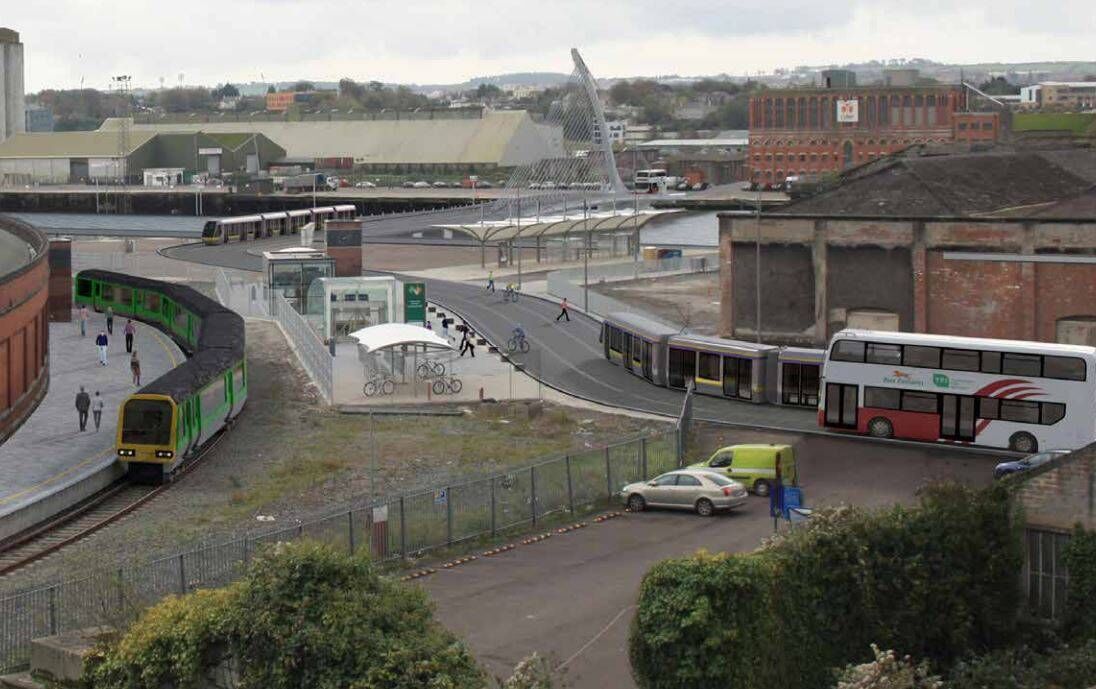
In relation to maintaining the city's maritime connection, the Port of Cork has concerns about a possible fixed bridge structure between Kent Station and the south docklands that may accommodate a future LUAS-type light rail system for the city.
"We are concerned that consideration has been given to a bridge which would not open that's going to prevent smaller cruise vessels coming up into the city and prevent masts coming up and some of the other leisure craft from accessing the city's quays. Such activities enhance a city and anything that would prevent them is a concern."
The Cork Container Terminal in Ringaskiddy will also free up close to 160-acres of land at Tivoli that could accommodate up to 4,500 homes and other services.
While on course to open next March, the Ringaskiddy terminal has faced setbacks. Most notably when a dispute emerged between the port company and the main contractor Bam Civil who said an arithmetic error meant they omitted €12m in costs. The Port of Cork company took Bam to court to enforce the contract but Keating said despite these difficulties progress is being made.
"While there are some issues, it's very satisfying to see Bam working away so well on the site as we speak," he said.
"There are mechanisms available to us to resolve the issues which exists between us but these things happen in construction contracts such as this but I am very confident that we will see the project completed and operational by early next year."
Other significant changes during Keating's tenure include the merger of the Port of Cork and Bantry Bay something he said has worked out very well. "It was a great opportunity to work in Bantry and the excellent directors there. We have made an investment of about €8.5 million in new facilities and equally by virtue of this investment we have been able to give a better service to the owners of the Whiddy Island oil storage facility which has had a very busy 2020 by virtue of the world market and the need for storage of refined and crude oil products."
In 2017 the Port of Cork jointly with Lanber Holdings in Wexford purchased Marino Point and set up Belvelly Marino Development Company. Planning and consultation is currently underway and the site is likely to be used for bulk cargo operations.
Developments such as Ringaskiddy and the acquisition of the Marino Point facility can be considered achievements to be proud of but Keating is very quick to pass the praise point to the staff and senior management of the company.
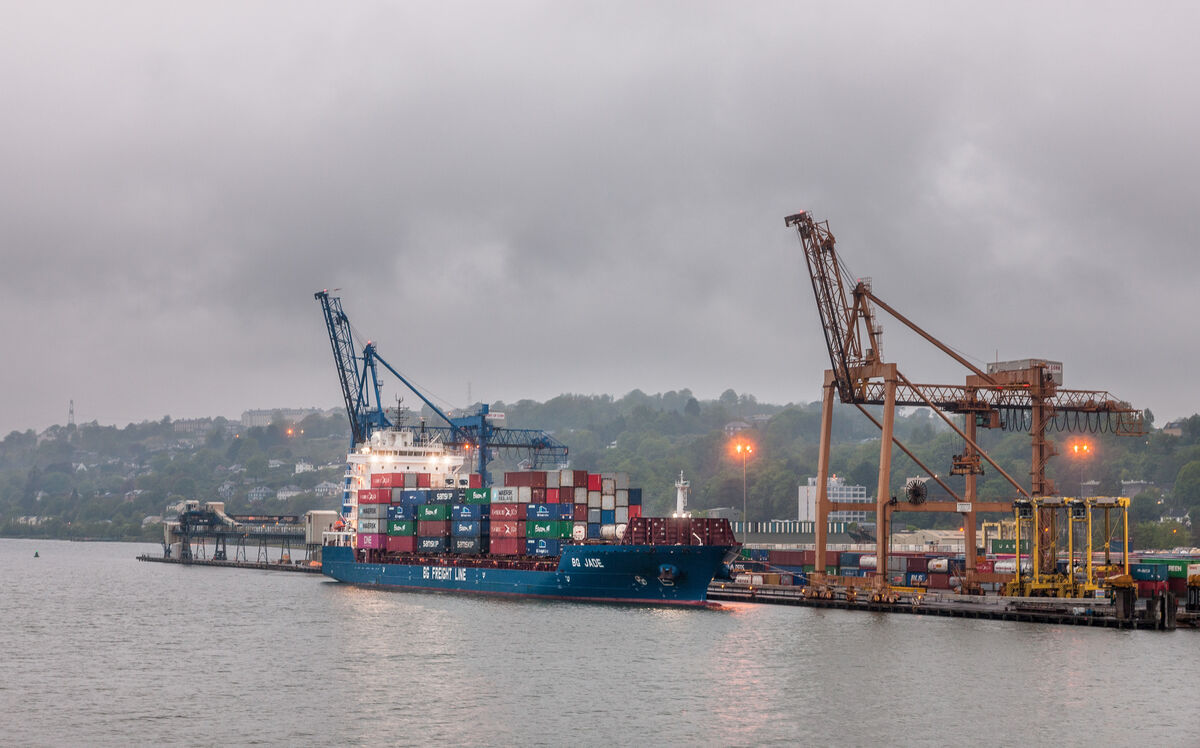
"I take my hat off to the crews who came into Tivoli and Ringaskiddy to get into the cranes and straddle carriers, who fixed broken-down machinery and made sure that we continued to operate to ensure that the supply lines in and out of the country were maintained. Why wouldn't you be absolutely proud of an organisation of people who do that?"
"Equally, in all my work I have been fortunate that we have had very enlightened board of directors. The current chairman, John Mullins a very dynamic man who shows great enthusiasm for everything we do. Before John, we had Dermot O'Mahoney who matched his enthusiasm for the role.
"At the Port of Cork, we now have a senior management team that is relatively young and very dynamic I have been fortunate to have the opportunity to work with them their dedication is unquestionable.”
Keating's successor is likely to be announced in the coming days and will have to continue to navigate through the Covid global crisis but Keating said it will be a role they should relish.
"In a period of over 17 and a half years, there wasn't one day I didn't enjoy coming into work. It is a unique kind of organisation but I've been honoured and privileged to the had the opportunity to be the CEO for such an extended period of time."
CONNECT WITH US TODAY



Be the first to know the latest news and updates