BYD to produce trucks in Europe in bid to become "European company"
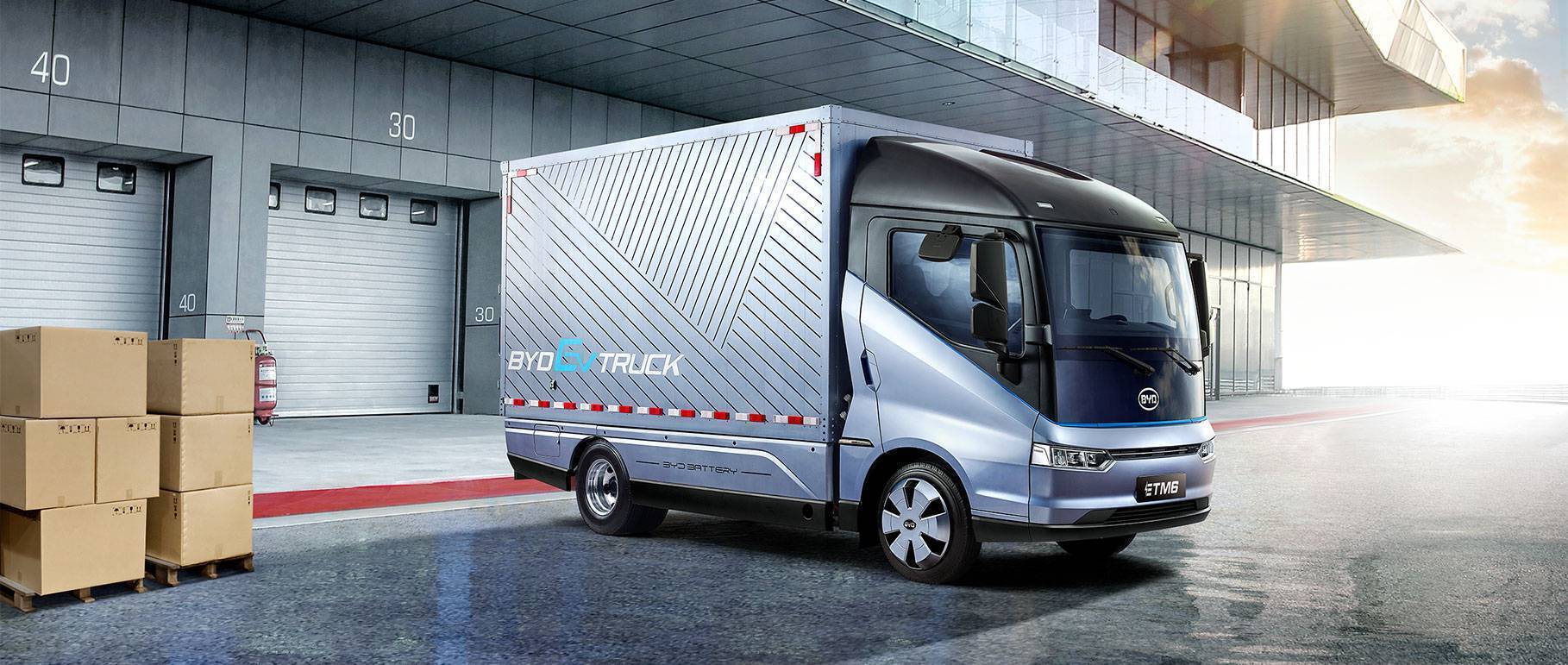
BYD's electric truck vehicles will ultimately be made in Europe the company said.
Chinese electric vehicle maker BYD plans to launch its first heavy-duty truck in Europe next year and ultimately manufacture trucks locally, a senior executive said at the IAA trade fair in Hanover on Monday.
"For the long term, we will produce everything we sell in Europe here locally," said Stella Li, BYD's executive vice president and head of international business.
She added that the company wanted to offer fleet operators a full package of services, including financing, solar-powered charging infrastructure and a workshop network supported by mobile roadside assistance.
Local production in Europe would also help BYD avoid import tariffs on trucks. European manufacturers, including Traton's MAN brand, have called on the European Union to impose tariffs on Chinese electric trucks similar to those already applied to Chinese EVs.
"We don't like this tariff because this did not benefit anybody, but we have to deal with it," Li added, saying that tariffs only amount to short-term pressure until local production can be ramped up.
BYD is also preparing to increase its passenger-car manufacturing footprint in Europe. The company is building a factory in Szeged, Hungary, where mass production is due to start next year.
"Once you move everything produced locally, it's okay. We become a European company," Li said.
BYD's rival Tesla, also plans to bring its Semi electric truck to Europe, broadening its reach beyond North America as it seeks foothold in a heavy-duty market where rivals already sell battery-powered models.
The Elon Musk-led automaker will also disclose European specifications and launch details at the IAA Transportation trade fair in Hanover, next week, it said in a post on X.
The European push comes nearly a decade after Tesla unveiled the Semi in 2017 and initially targeted production for 2019, a timeline that was repeatedly delayed as the company prioritized battery-cell supplies for its passenger vehicles.
Tesla began limited deliveries to customers including PepsiCo in the United States in late 2022.
In April, Tesla said the first Semi had rolled off a high-volume production line in Nevada. However, its July shareholder update only mentioned that production of Semi would begin in 2026 while removing an earlier forecast for volume production this year.
Tesla's German-language website lists a version of the truck with a range of up to 550 km (342 miles) at a gross combination weight of 40 tonnes and energy use of about 1 kilowatt-hour per kilometer.
The company said the truck weighs about 9,100 kilograms without a trailer or cargo and offers electric power take-off of up to 25 kW. It can recover about 60% of its range in 30 minutes using Tesla's Megacharger network, which it says can deliver up to 800 kilowatts.
Tesla also cited route-based charging scheduling and dedicated service centers as features intended to reduce downtime.
CONNECT WITH US TODAY



Be the first to know the latest news and updates