Bank of Ireland and AIB join EU banks planning euro-linked stablecoin
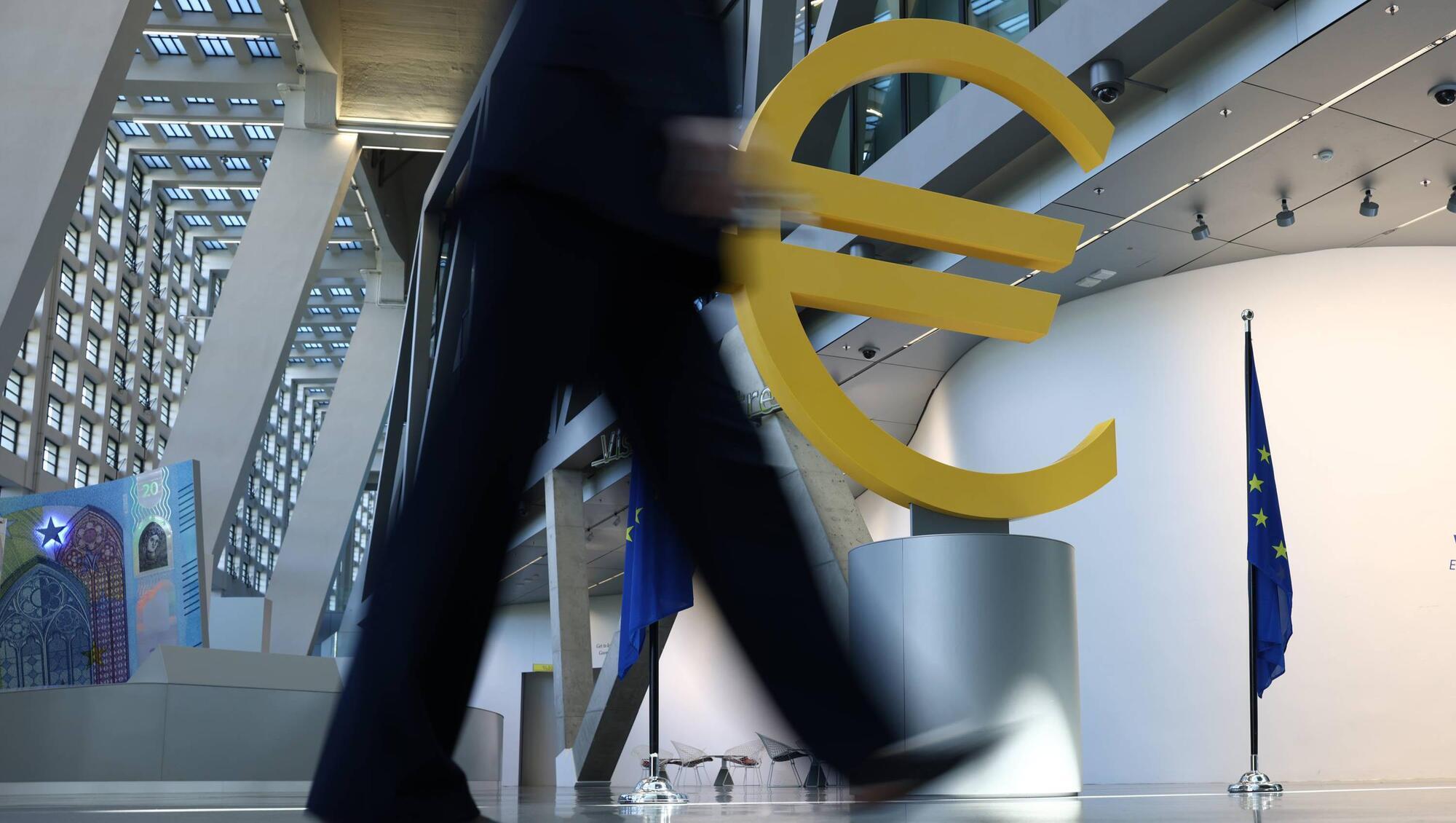
Bank of Ireland and AIB have joined a consortium of European financial institutions which plans to launch a stablecoin, challenging US dominance of the sector. Picture: Bloomberg
Bank of Ireland and AIB have joined a consortium of European financial institutions which plans to launch a stablecoin, a type of cryptocurrency pegged to the euro, later this year, challenging US dominance of the sector.
The consortium - which set up an Amsterdam-based company called Qivalis last year - now has 37 financial institutions as members and on Wednesday announced plans to launch the stablecoin.
A stablecoin is a type of digital asset used to make payments. Unlike other cryptocurrencies like Bitcoin, which can rise and fall in price from day to day, stablecoins are designed to maintain a stable value, by backing each digital coin with real assets held in reserve. The dollar overwhelmingly dominates stablecoin, with just 0.2% of global stablecoin currently in circulation euro-denominated. Qivalis says it aims to challenge this and unlock the benefits of blockchain technology for companies and consumers in Europe, promoting a possible future system where assets such as bonds and real estate are traded as blockchain-based crypto tokens.
Read More
For its part, the European Central Bank has cast doubt about the potential benefits of euro-backed stablecoin. ECB president said last week the case for promoting euro-denominated stablecoins is "far weaker than it appears". Nevertheless, traditional lenders are seeking to find uses for blockchain technology within their own business.
Geraldine Casey, AIB managing director retail banking said Qivalis will provide access to a euro-denominated stablecoin developed to operate within the EU regulatory framework.
"This is a practical step for AIB to learn, innovate, test and collaborate with other leading European banks, and to help shape how new forms of digital money can be used safely, responsibly and within the regulated banking system.”
The Qivalis initiative plans to deliver its stablecoin fully backed on a 1:1 basis with the euro. It is currently seeking authorisation from the Dutch central bank and compliance with markets in crypto-assets regulation (MiCAR) rules set down by the EU.
Bank of Ireland chief strategy officer Billy O’Connell said Qivalis will help shape the future of how money moves for its customers and "for generations" to come. “Through this initiative, Bank of Ireland is advancing innovation to deliver real benefits for customers, strengthen Europe’s financial infrastructure, and support the responsible development of digital money," Mr O'Connell said.
The crypto industry is increasingly competing with mainstream financial institutions, putting traditional lenders under pressure to find uses for blockchain technology within their own businesses.
Stablecoins are still mostly used in crypto trading, and have surged in size in recent years. The market is dominated by El Salvador-based Tether and US-based Circle, which say they have around $190bn (€163bn) and $77bn (€66bn) of their dollar-pegged tokens in circulation respectively.
Qivalis chief executive Jan-Oliver Sell said the euro is Europe's currency, and “on-chain financial infrastructure should carry it - built by European institutions and governed by European rules."
Qivalis now has 37 members, with the addition on Wednesday of Bank of Ireland and AIB, along with ABANCA, ABN AMRO, Banco Sabadell, Bank Pekao, Bankinter, Banque et Caisse d’Épargne de l’État (Spuerkeess), Banque Fédérative du Crédit Mutuel, BPER Banca, Cecabank, Erste Group, Groupe BPCE, Handelsbanken, Helaba, Intesa Sanpaolo, Jyske Bank, Kutxabank, Landsbankinn, National Bank of Greece, Nordea, OP Pohjola, Piraeus, Rabobank, and Swedbank. They join existing consortium members Banca Sella, BBVA, BNP Paribas, CaixaBank, Danske Bank, DekaBank, DZ BANK, ING, KBC, Raiffeisen Bank International, SEB, and UniCredit.
Additional reporting by Reuters
CONNECT WITH US TODAY



Be the first to know the latest news and updates