Irish firms expect to generate higher proportion of their own energy needs in coming years
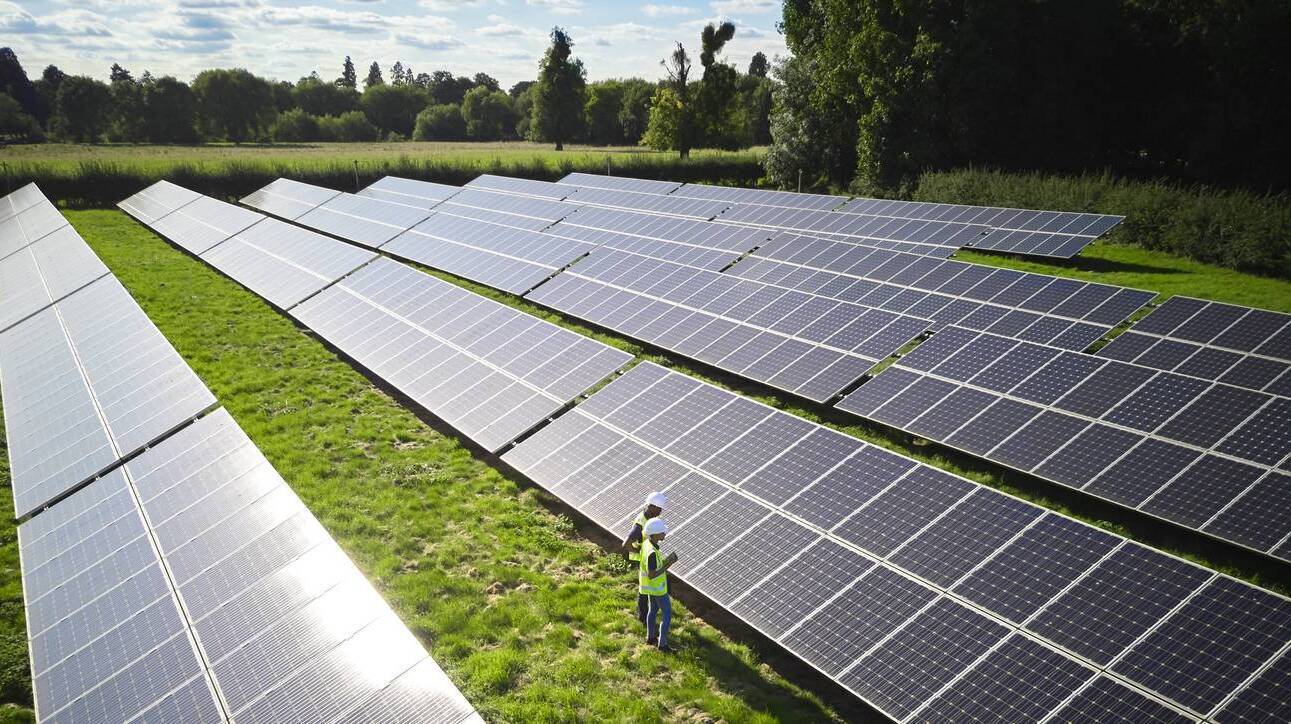
Of the Irish organisations surveyed, 55% have already adopted solar panels, 52% have adopted battery storage units, while 47% have implemented energy efficiency systems.
Irish firms are expecting to generate a greater proportion of their own energy needs on-site over the coming years, as price volatility and the need to comply with net-zero climate targets make it more of an attractive option, research by Bord-Gáis owner Centrica shows.
The research found Irish organisations expect to be generating 38% of their total energy on site by 2028, up from 29% today, which the company said would help address resilience challenges.
Of the Irish organisations surveyed, 55% have already adopted solar panels, 52% have adopted battery storage units, while 47% have implemented energy efficiency systems.
However, while the report shows these three options are the common measures undertaken, “Ireland has a way to go on its adoption journey”, as companies lag behind in many other energy improvement measures.
Director of Centrica Business Solutions Ireland Shane Minehane said they were seeing a “fundamental shift” across the country in how businesses view energy.
“It's no longer just a cost to be managed, but a strategic asset that can drive competitive advantage," he said.
“It's also a warning signal for energy markets across Europe. When almost half of organisations achieve excellent progress on cost predictability through self-generation, it reveals how centralised systems are failing to meet business needs."
The survey also found 32% of Irish organisations admit they are unlikely to meet 2030 emissions targets, and a lack of budget is their number one obstacle.
According to the research, Irish executives know they “need to modernise their energy strategies further”, as just 31% say their “current energy strategy is excellent for delivering emissions reductions”.
More than half, 56%, said they were prioritising long-term gains over quick return and low-risk strategies, while 68% said their organisation was willing to experiment with different technologies to build a long-term business case for investment.
For its research, Centrica surveyed 500 organisations across Europe, including 75 senior executives in energy roles in Ireland.
Read More
CONNECT WITH US TODAY



Be the first to know the latest news and updates