Housing demand outpaces supply despite a surge in commencements
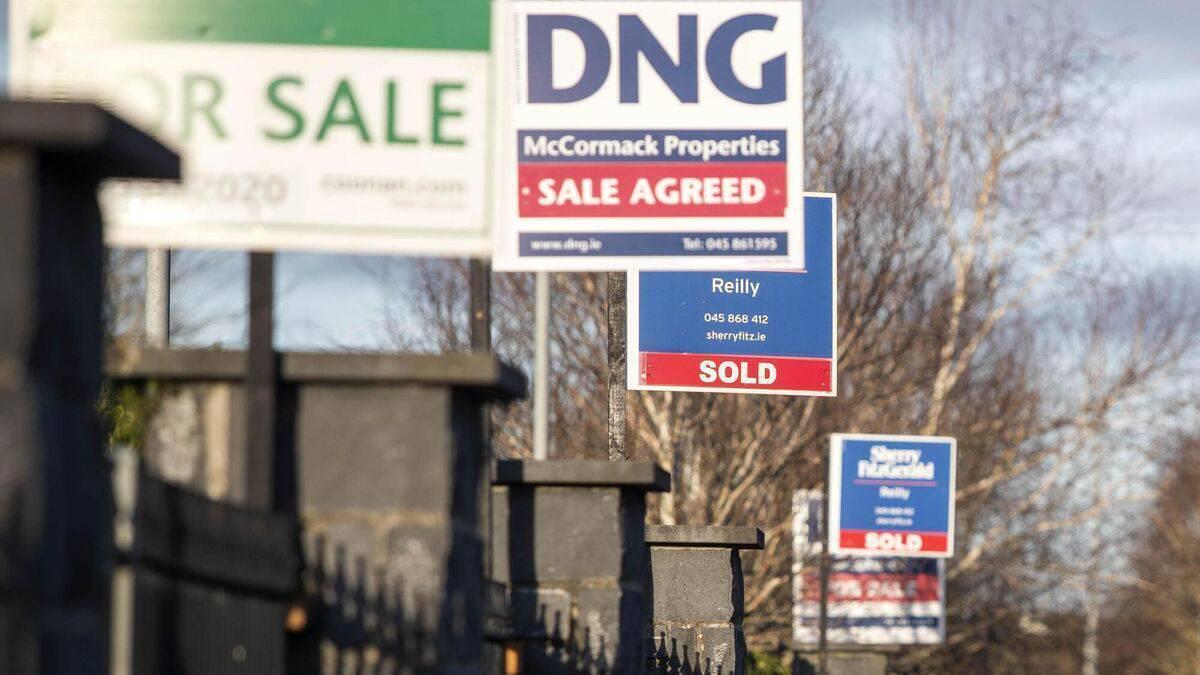
GeoDirectory chief executive Dara Keogh said the annual increase in address points combined with increased construction activity 'suggests a strong performance in terms of housing delivery for 2024'.
Housing demand outpaced supply despite a surge in construction commencements in recent months as the Government scrambles increase the number of units on the market ahead of a looming election.
A report by GeoDirectory also found there was more than a 17% jump in the number of address points in the later part of the first half of the year, compared to the same period in 2023.
Dara Keogh, chief executive of GeoDirectory said that the annual increase in address points combined with ramped up construction activity “suggests a strong performance in terms of housing delivery for 2024.”
A total of 31,384 new residential address points were recorded in the twelve months to June, while a further 21,851 residential buildings were under construction across the country, down slightly from the previous year.
Of the 21,851 residential buildings under construction, 13.7% were located in Dublin, with closely followed by Cork.
Construction activity was weakest in the neighbouring counties of Sligo, Roscommon, Leitrim and Longford where there were fewer than 200 buildings under construction.
There has been some volatility in the construction sector including stubbornly high input prices but builders continue to benefit from the Government’s strategy to increase supply.
In June, director and head of research at BNP Paribas Real Estate Ireland John McCartney said in a leading survey that the State’s updated home-building targets of around 50,000 units per annum has “underpinned residential builders’ confidence” and led to a rise in activity for the fourth successive month in June.
Mr McCarthy cautioned that “this may not result in increased housing completions within the current calendar year.”
Separately, there are some indicators that conditions may improve for homebuyers. Cooling inflation and subsequent reductions in interest rates are expected to improve affordability. However, analysts recently forecast that this could drive house prices higher.
The GeoDirectory Residential Buildings Report showed the average house price rose in every county in the second quarter, with the exception of Monaghan, where house prices nationally are now averaging €381,749.
Mr Keogh said that the “considerable progress” in the housing market been overshadowed though by the chronic supply shortage as house prices continue to climb and vacancy rate stubbornly stays at the record low level of 3.9%.
The report also showed residential property transactions fell by 5.8% year on year, signalling that eye-watering prices may be weighing on homebuyers despite demand.
Meanwhile, the report showed monthly average market rents are higher than average monthly mortgage repayments for a new dwelling in Dublin City, Fingal, South Dublin and Cork City.
Across the country, many people may be getting caught paying more for rent than they would for a mortgage and subsequently struggling to save enough to get on the property ladder.
The report analysed house price data published by the Central Statistics Office and the latest rent price data from Daft.ie and found that the average mortgage repayment for a new dwelling in May was €1,723 nationally compared with the average market rent in the first three months of €1,836. This is higher than the latest average monthly rent payment of €1,595 from the Residential Tenancies Board for the final three months of 2024.
CONNECT WITH US TODAY



Be the first to know the latest news and updates