1 in 3 small firms 'could run out of liquidity within six months' without extra funding

There is a 'clear and present threat to the viability of small businesses', said the SFA. File picture
A small firms representative group has reiterated concerns about SME liquidity this year, despite the Government introducing a package of support measures in recent weeks.
The Small Firms Association (SFA), an arm of lobby group Ibec, claimed that one in three small businesses could run out of liquidity within six months without additional funding.
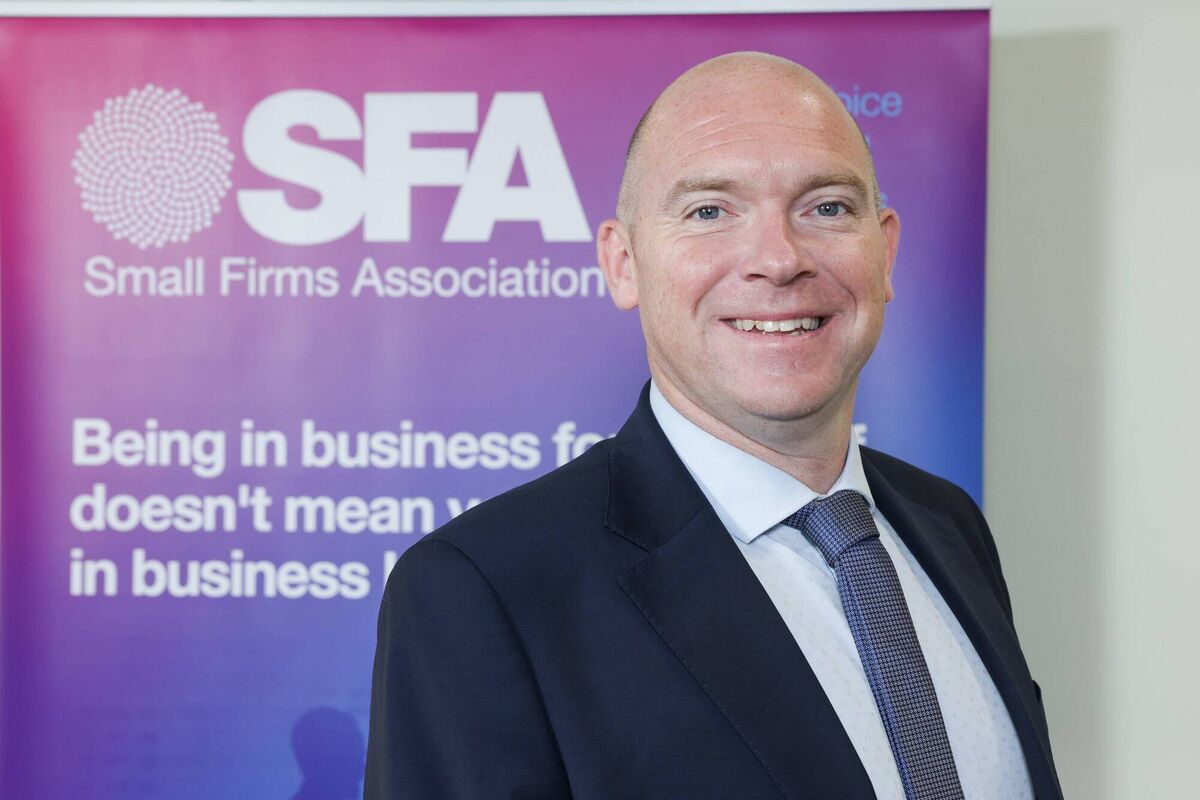
David Broderick, director of the SFA, said his organisation is aware of a number of SMEs that are experiencing rising costs which “highlights the clear and present threat to the viability of small businesses, which are the lifeblood of communities across the country".
Mr Broderick said some small firms continue to be “cash strapped”, but a number of measures implemented in recent months may curb the level of failures among struggling businesses.
“One in five small businesses have secured funding from friends and family to cope with rising costs. This is an alarming reality,” said Mr Broderick.
Research by the SFA, which included nearly 500 interviews, was conducted in the weeks before Government ramped up supports amid lobbying pressures.
The research found average business costs have climbed 16.6% while the majority of SME respondents said wages have contributed to rising costs, amid lingering inflation squeezing some households.
Firms that took part in the SFA research called for initiatives to improve engagement and uptake of upskilling and training programmes, in addition to improving communication of financial supports. The participants are also seeking compensation to cover training costs.
Earlier this month, the Government agreed on a range of measures to further aid small and medium-sized firms, following reports by professional services firms Deloitte and PwC that showed the numbers of insolvencies this year are quickly returning to pre-pandemic levels, suggesting otherwise viable businesses are struggling to continue operations in the current environment.
Insolvency levels have not yet outpaced the peak reached in 2012 following the banking crisis.
The measures, brought forward by the Department of Enterprise, Trade and Employment, include doubling the Innovation Grant Scheme to €10,000, increasing the maximum amount available under the Energy Efficiency Grant Scheme to €10,000, and reducing the business contribution rate from 50% to 25%.
The Government may have bent to lobbying pressures as just a week before the new measures were announced, a Department of Enterprise representative said she does not anticipate a “tsunami” of businesses looking to be rescued through a restructuring scheme this year.
Fiona O’Dea, principal officer at the Department of Enterprise, Trade and Employment, said that, while insolvency levels have recently ticked upwards, they remain below pre-pandemic figures.
Meanwhile, there is concern that extended measures such as the Increased Cost of Doing Business Grant could lead to a rise in so-called 'zombie' firms, many of which were given a lifeline with covid-19 business supports which have since been wound up.
CONNECT WITH US TODAY



Be the first to know the latest news and updates