Costs of developing new models weighs on Volkswagen profitability
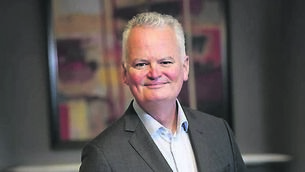
Volkswagen’s profit decline was due in part to its broad plan to introduce more than 30 models this year to defend sales in markets such as China. File picture
Waning car sales and the additional cost of introducing new models has weighed on Volkswagen’s profitability during the opening three months of the year as operating profit declined by 20%.
According to the German automotive giant, operating profit stood at €4.6bn between January and March this year with revenues hitting €75.5bn — down from €76.2bn during the same period last year.
Overall car sales dropped 2.1% compared to last year but the company still expects sales revenue to increase compared to last year.
A significant increase in the company’s financial services largely compensated for the decline in the car division.
One of the main reasons for Volkswagen’s profit decline is its broad plan to introduce more than 30 models this year to defend sales in markets including China, where local rivals dominate on electric vehicles.
Parts problems recently impacted deliveries of Audis and Porsches in the US.
Chief financial officer at Volkswagen Arno Antlitz said the results show a “slow start to the year” but a strong March and an improving order “should already have a positive impact in the second quarter”.
Volkswagen chief executive Oliver Blume is currently pushing technology partnerships — including in China — as well as cost cysts to challenge the likes of BYD, Tesla, and Stellantis.
Volkswagen’s namesake brand is also implementing a €10bn savings plan.
Volkswagen isn’t the only car-maker to report a difficult start to the year with Mercedes-Benz seeing earnings during the first three months of the year plummet by 34% largely due to model changes and sluggish demands for electric cars.
The German luxury-car maker has run into problems with its strategy to bolster profits with more top-end cars, where sales were down more than a quarter
A widespread slump in demand for EVs also hit the company with orders of its all-electric models slow.
Supply bottlenecks added to the challenges.
Mercedes chief financial officer Harald Wihelm said he expects sales to pick up over the course of the year as availability improves.
Mercedes also expects the share of its most expensive vehicles to rise in the second half of the year.
While the company expects the market in China to improve, the US was the only region where it sees “solid momentum for sales and demand”.
Shares in both German car-makers fell by over 4% on Tuesday.
- Additional reporting Bloomberg