ESRI: Real wage growth expected as inflation continues to subside

Kieran McQuinn, research professor at ERSI, said given the slow down in inflation, 'households for the first time in a couple of years will have real wage growth this year'.
The Economic and Social Research Institute (ESRI) is forecasting real wages to grow during 2024 after years of inflation wiping out any gains Irish workers may have experienced, with the labour market also expected to remain robust.
Inflation is expected to be 2.3% this year with nominal growth wages for Irish workers expected to run at about 4.5%. Inflation is expected to reduce to 2% in 2025.
According to the ESRI’s latest economic commentary, growth is anticipated across all the main economic indicators, with unemployment likely to average 4.3% in 2024 and 4.2 per cent in 2025.
“Although inflation is currently moderating, it remains elevated. Against this backdrop, and given the prevailing high interest rate environment, relief from the cost-of-living crisis may not materialise until later in 2024 when inflation has eased further,” the ESRI said.
Professor Kieran McQuinn of the ESRI said there had been “negative real growth in wages” over the last number of years because of high inflation.
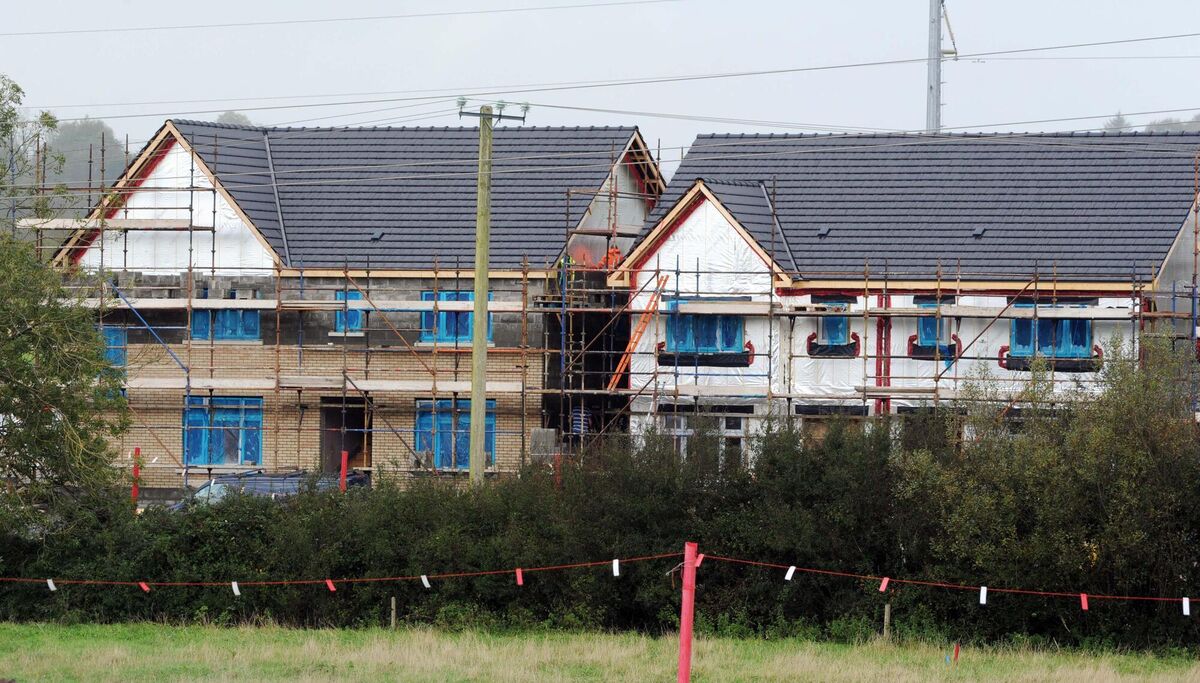
In terms of housing, the ESRI is predicting about 33,000 homes will be completed this year — the same level as 2023.
"It's clear that we still need to build more housing units than what we are actually building at present,” Prof McQuinn said.
Should inflation continue to slow, and interest rates get cut, the ESRI is expecting there will be a “moderate pick-up” in housing completions in 2025.
The ESRI is forecasting a positive outlook for the economy this year and next with modified domestic demand — an economic measure that excludes the activity of multinationals — set to grow by 2.3% in 2024 and by 2.5% in 2025.
Gross domestic product, which is heavily influenced by multinationals based here, shrank by 3.4% during 2023. It is forecasting it to rebound to 2.5% this year and to 2.3% next year.
The ESRI said this was being driven by the expectation the performance of the traded sector of the economy will improve and the economy will continue to post modest growth in the coming years.
On the Government’s fiscal position, it expects substantial surpluses over the next two years, despite vulnerabilities when it comes to corporation tax receipts.
“In 2024 and 2025, exchequer taxation receipts are expected to continue to grow, albeit at a more modest pace. If expenditure levels grow in accordance with Budget 2024 estimates, then a significant surplus in the general Government balance is expected for both years,” the ESRI said.
While the medium-term economic forecast is positive, the ESRI notes a number of challenges that still need to be considered.
These include geopolitical tensions and their impact on global trade flows, dealing with infrastructure bottlenecks in an economy operating at capacity, and efficiently managing a small open economy with a very large multinational component.

CONNECT WITH US TODAY



Be the first to know the latest news and updates