2INTO3: Guiding individuals toward careers with social impact

The rise in the use of Artificial Intelligence is impacting talent demand across the non-profit sector.
The 2into3 For Purpose graduate programme was established to provide a structured and unified career path for the charity and community sector in Ireland. The programme has been working since 2006 to build the capacity of organisations to have a transformative social impact. “It is a programme that is running very well, and we hope to be recruiting graduate number 100 over the course of 2024, which is fantastic,” explains Fergal O’Sullivan, Director of Talent Management at 2into3.
“It is a great programme in that it gives an opportunity for early career professionals who may not wish to enter the commercial or financial sectors when they’re coming out of college, and instead to join and work in the non-profit sector for roles with purpose and social impact.”
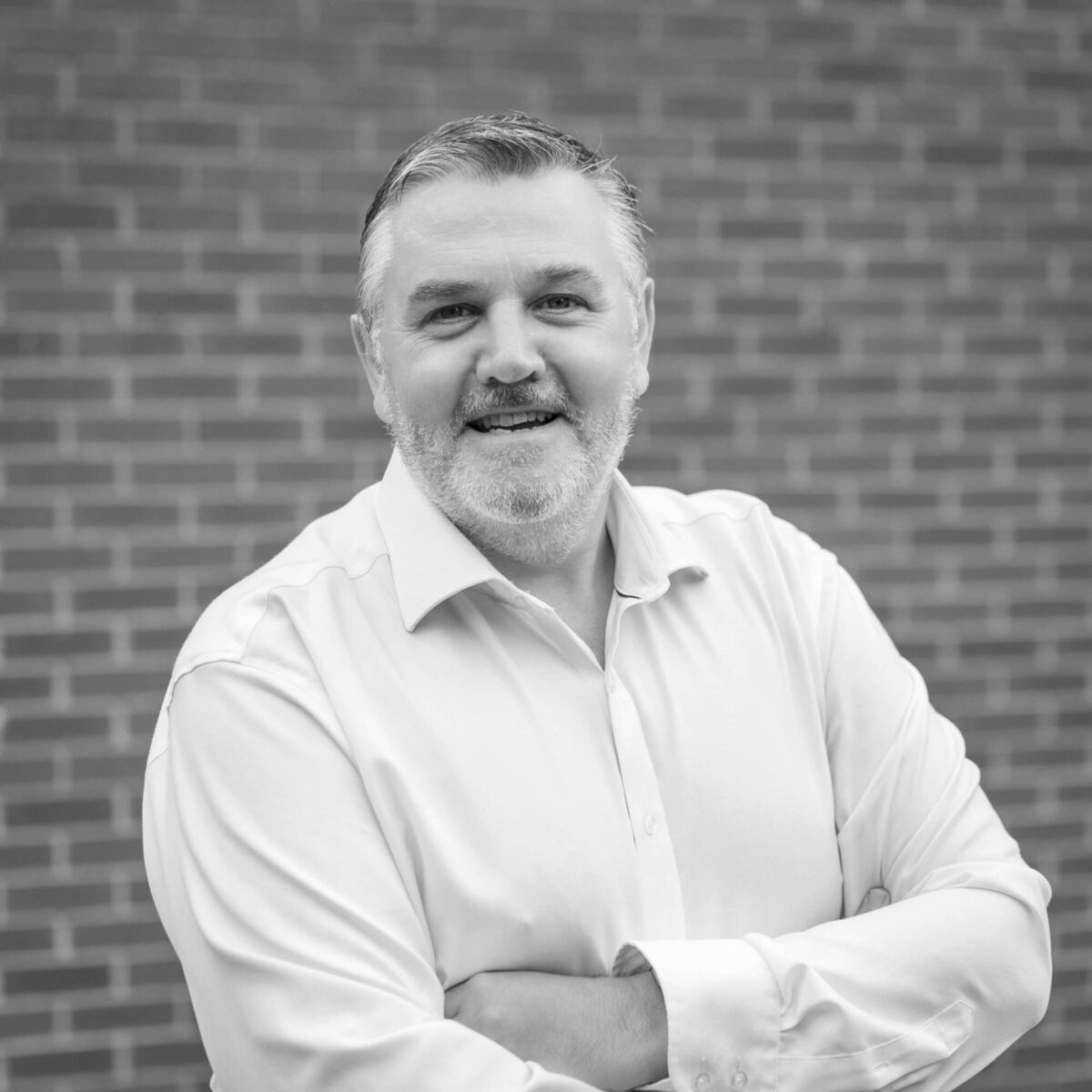
The programme is designed to provide a career path into the sector, support early career professionals and help meet the current and future needs of the sector. “We connect social impact organisations with talented graduates who are searching for purpose in their careers and seeking the chance to make an impact on society. We recruit positions across a range of career paths, from fundraising and communications to finance, HR, and more.”
For Purpose is guided by an advisory panel comprised of non-profit leaders, HR experts and former graduate trainees. The advisory panel was established to ensure that For Purpose is relevant to the needs of both the non-profit sector and graduates and also to determine the programmes vision and aims. “It is initially for a 12-month contract, with a view to being extended at the end — and which happens in the majority of cases because the candidates fit in so well.”
Applicants get not only a paid full-time employment contract, but also a number of additional extra benefits, including one-to-one mentoring sessions with experienced professionals, learning seminars hosted by sector leaders, access to a professional network, peer networking opportunities with other graduates on the programme and opportunities for career progression.
“We also have a learning and development forum once a month called ‘For Purpose Tuesdays’ where we bring people from all different organisations into a room for a couple of hours to develop their soft skills and do a deep dive into fundraising and social impact. All of that combined mentoring and experience over the 12 months will have the effect of getting them up and running to take on the challenges and opportunities in whatever area they want to continue in.”
Fergal brings with him 20 years of management experience, many of which are in the non-profit sector. Having previously served as CEO of the Coeliac Society of Ireland and Boardmatch Ireland, he has also held a range of other management positions, including fundraising and strategic development roles with Make-A-Wish and NCBI, as well as working in a pro-bono capacity with Chernobyl Children International.
He holds a BA in Economics from UCC, as well as a Diploma in Public Relations from the PRII and an MBA from Henley Business School. He is currently on the Board of Trustees of HIV Ireland and is a past Board member and Trustee of My Legacy, acting as Chairman from 2016 to 2019.
“The common characteristic of graduates and people who come into the sector is that they are looking for roles that have purpose and social impact,” he explains of the kind of person attracted to this career. “It can be the kind of person who decides this is the way they want to go right from the start of their careers, or people who’ve had a long career in the private sector and now want a more fulfilling or rewarding role for the greater good. To be successful in the sector it is really important to be passionate about what you’re doing. You have to be driven by the mission of the organisation you’re working with. In general, people who come into the non-profit sector would have a good sense of community, nobody ever joined for the money.”
Addressing the long-term importance of successful recruitment for social impact organisations, Fergal points out that many nonprofits are founded on a modest number of team members. “As these organisations grow and develop, the success of their organisation lies in the hands of these talented individuals steering the mission forward. A strong mission and vision are the main driving forces behind any social impact organisation. Therefore, aligning individual talent with the broader organisational vision is what fosters a culture of purpose.”
Through intentional talent management, social impact organisations can create teams where each member’s strengths contribute strategically to the overarching goals of the organisation. “By recruiting staff that are genuinely passionate about the organisation’s mission can, in time, lead to lower long-term staff turnover rates.”
Throughout 2023, there was a rise in the use of Artificial Intelligence across all parts of the sector: “Technology is constantly developing, which affects how social impact organisations work, communicate and solve issues. By recruiting the right people who are invested in learning new technologies and ways of working, it benefits the entire organisation’s efficiency, leaving more time for social impact organisations to achieve their mission.”
Effective talent management means looking at long-term value, Fergal outlines: “When visualising your organisation’s future, it’s important to consider what type of people you would like to lead your organisation in 5, 10, even 20 years’ time. Therefore, it is important to invest in recruiting future leaders, including college graduates, junior staff, and individuals with serious future potential.” Focus on recruiting talent with potential and invest time into developing their skills, he advises, and you are building future leaders who will sustain the sector in years to come.
“Talent Management is not just about filling roles; it’s about sowing the seeds for lasting change within your non-profit. By valuing the unique talents of individuals within your organisation, your organisation can collectively contribute to a more sustainable sector for all.”
CONNECT WITH US TODAY



Be the first to know the latest news and updates