British housebuilder Crest Nicholson latest firm to be hit by slowdown
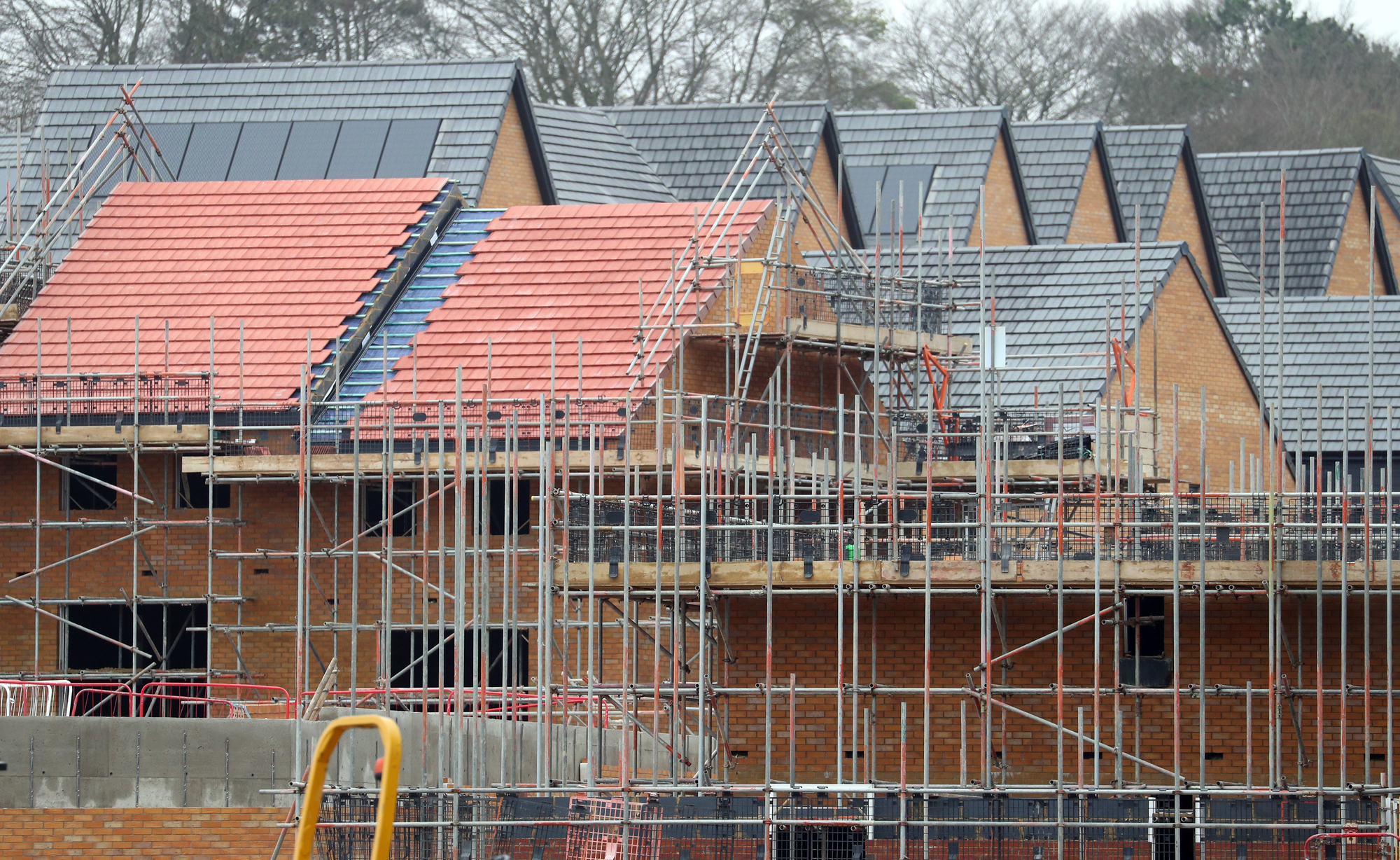
Firm cut its annual profit view, sending shares to a near three-year low
Data showed asking prices for homes in Britain fell sharply this month amid rising mortgage costs.


Data showed asking prices for homes in Britain fell sharply this month amid rising mortgage costs.

British housebuilder Crest Nicholson cut its annual profit view, sending shares to a near three-year low as it became the latest British housebuilder to flag weakening conditions.

Britain’s housing sector is facing a pronounced slowdown as high interest rates push up mortgage rates, adding to a squeeze on the finances of prospective homebuyers.

The Ftse-listed midcap firm said transaction levels across the industry had weakened in recent weeks, and it did not expect to see a material improvement in trading in its current financial year that runs to the end of October. 

Crest Nicholson shares fell by about 14% at one stage, before paring back some losses for a decline of 7%. 

Data showed asking prices for homes in Britain fell sharply this month amid rising mortgage costs.

Shares of housebuilders Barratt, Persimmon, and Taylor Wimpey also fell. 

Crest Nicholson, which in June reported a more than 60% slump in half-year profit, said weekly sales per outlet for the seven weeks to the middle of August had fallen sharply from previous forecasts. 

'Deterioration in the market'

“The scale of Crest Nicholson’s warning may come as a shock to investors given it reported its first-half results just a couple of months ago and this hints at the speed and scale of the deterioration in the market,” said AJ Bell investment director Russ Mould. The company now expects full year adjusted profit before tax of around £50m (€58.5m).

Crest rival Bellway has said new home sales will fall “materially”, while Barratt has said it will build around 20% fewer homes in 2024. 

The sell-off in British housebuilder shares has sent the Ftse index that tracks the homebuilders sharply lower.

The index has extended its drop since the start of last year to more than 40% after a surge in interest rates and a weakening British economy spurred worries about the mortgage market.

  • Reuters and Bloomberg

More in this section

The Business Hub

Newsletter

News and analysis on business, money and jobs from Munster and beyond by our expert team of business writers.

Cookie Policy Privacy Policy Brand Safety FAQ Help Contact Us Terms and Conditions

© Examiner Echo Group Limited