Boeing engine maker Safran posts strong sales but sees supply chain risks
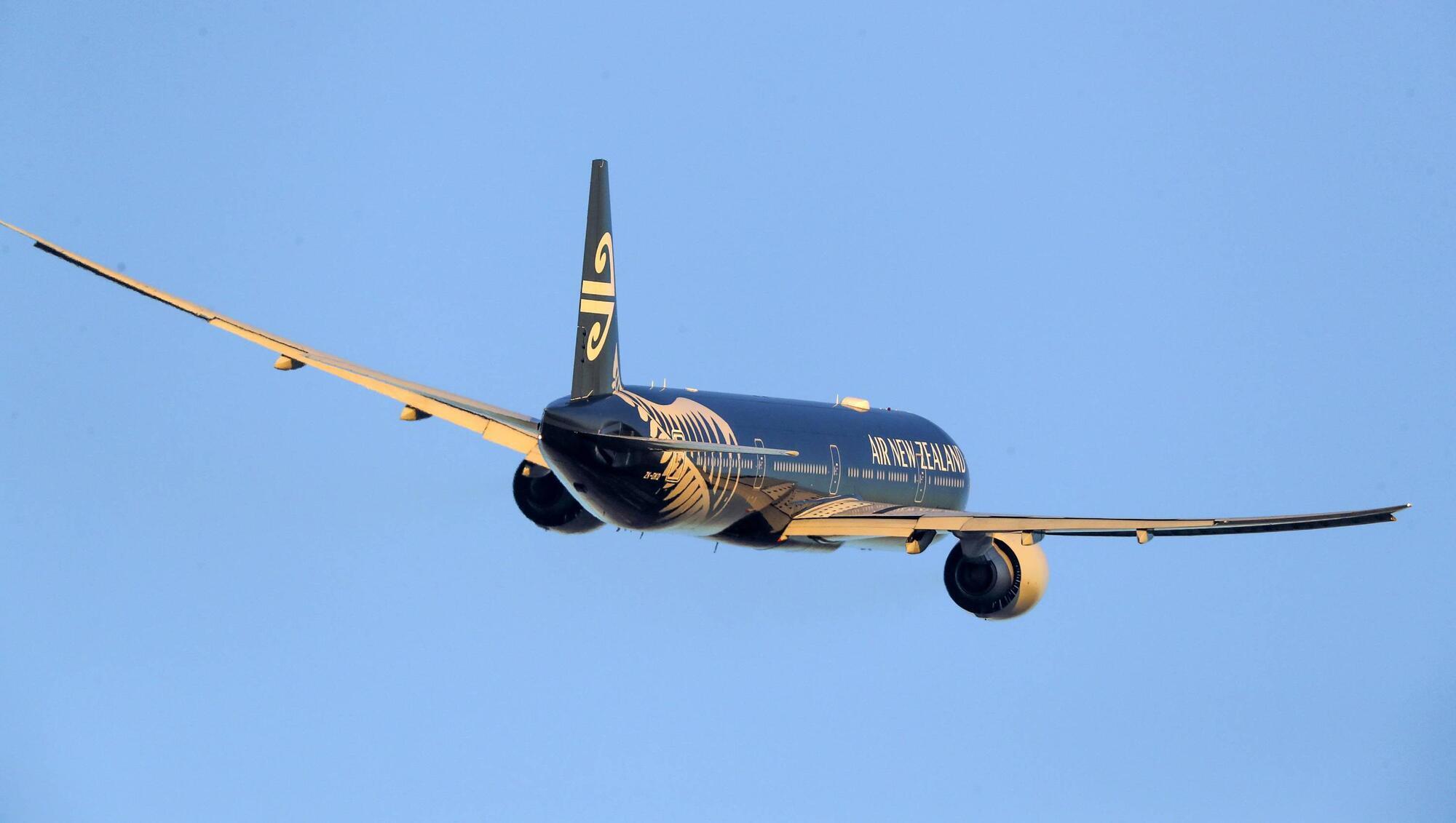
Air traffic is rebounding strongly following the pandemic, with key medium-haul or domestic markets already exceeding pre-covid levels and long-haul traffic making up lost ground. Pic: Steve Parsons/PA Wire
French company Safran, which provides engines for Boeing , unveiled stronger than expected quarterly revenues on Wednesday, buoyed by a swift recovery in air travel demand, but predicted problems with aviation's supply chain could drag into next year.
"The (pandemic) demand crisis is well and truly behind us," chief executive Olivier Andries said after reporting first-quarter revenues that rose 24.7% on an underlying basis to €5.2bn.
That is particularly the case for the most widely used medium-haul narrow-body jets for which Safran provides engines through its CFM International joint venture with General Electric.
Safran's core propulsion revenues rose by 34.9%, on an organic basis, to €2.7bn.
Safran reaffirmed its 2023 full-year forecasts for revenues of at least €23bn, recurring operating income around €3bn and free cashflow of at least €2.5bn.
But the engine maker said the main risk factor remained supply chains, led by shortages of materials and labour.
Mr Andries said all metals were on the company's watch list for possible supply disruptions, notably steel.
"Steel is a source of tension," Mr Andries told reporters.
In January, Reuters reported that steel capacity had emerged as a source of internal concern within planemaker Airbus partly following debt restructuring at Liberty Steel.
Titanium, aluminium, nickel and some rare metals also remain under observation, Mr Andries said, adding the company's equipment division was feeling more pressure than propulsion.
Planemakers have slowed production plans in recent months, easing a tug of war between jet factories and the repair shops where spare engines are also urgently needed to help airlines keep their fleets flying, due to the snapback in air travel.
In the first quarter, CFM was able to allocate a greater percentage of engines to the aftermarket, where engine makers make most of their profit.
Safran's widely watched civil aftermarket, or repairs and services for jet engines, grew 38.1% in dollar terms.
Air traffic is rebounding strongly following the pandemic, with key medium-haul or domestic markets already exceeding pre-covid levels and long-haul traffic making up lost ground.
- Reuters
CONNECT WITH US TODAY



Be the first to know the latest news and updates