What a Michelin star means to some of Ireland's finest restaurants
Attaining a Michelin star does not remove all challenges, but some of Ireland's elite chefs tell ELLEN O'REGAN the gourmet world's highest accolade can transform a restaurant business
What a Michelin star means to some of Ireland's finest restaurants

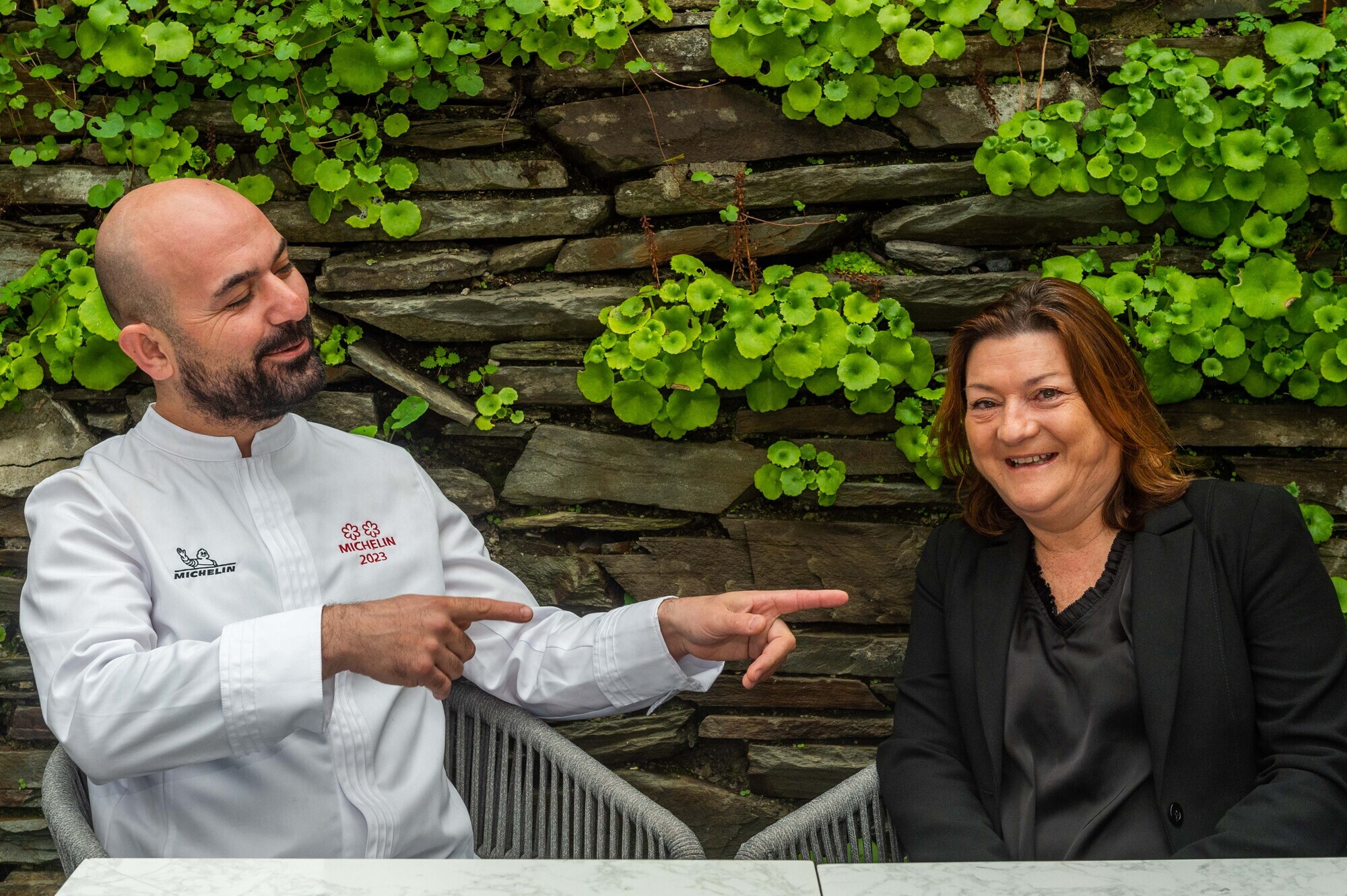
The co-owners of Dede in Baltimore, Co Cork, executive chef Ahmet Dede and maitre D Maria Archer celebrate their recently-awarded second Michelin star. Picture: Andy Gibson 
Considered the pinnacle of a chef’s career and the highest accolade a restaurant can achieve, Michelin stars are notoriously difficult to obtain, but can change the fortunes of a business and its surrounding areas overnight.

Last month the latest raft of Michelin stars were announced for Ireland and Britain, with Terre in Castlemartyr in Cork the only new Irish restaurant to enter the list — bringing the total number of Michelin star restaurants across the country to 21.

Also based in Cork, Dede in Baltimore was the only Irish restaurant to gain a second star in last month’s ceremony, joining four others that have gained the double Michelin mark.

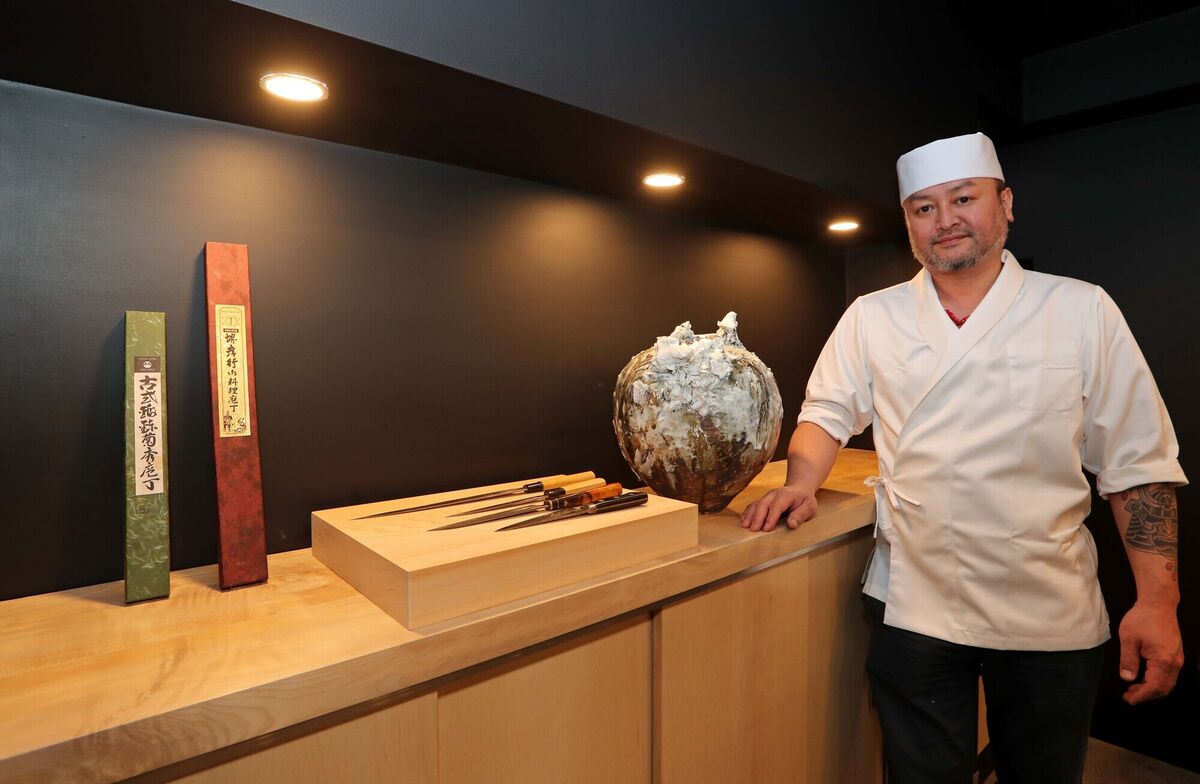
Takashi Miyazaki at his restaurant, Ichigo Ichie in Cork. Picture: Jim Coughlan

For a restaurant to secure a star, it can be transformative. 

Takashi Miyazaki, owner and head chef at city-based Ichigo Ichie, said the most immediate impact of getting the Michelin nod for the first time in 2019 was a tidal wave of booking queries: 

“Even the day of the ceremony, my phone never stopped. Notifications for our email account and even social media, it never stops. We were fully booked straight away for the next three months.

While the initial rush has relaxed to some extent, Mr Miyazaki says that they only need to open bookings every two to three months for an entire season, and any food fanatics passing through Cork will seek them out for a Michelin star meal.

“A lot of people from the US or overseas that are planning on travelling in Cork will check for the Michelin star restaurants in Cork, and they do the loop — and definitely lots of people check where the Michelin star restaurant in Cork is when they are in Cork city,” he said.

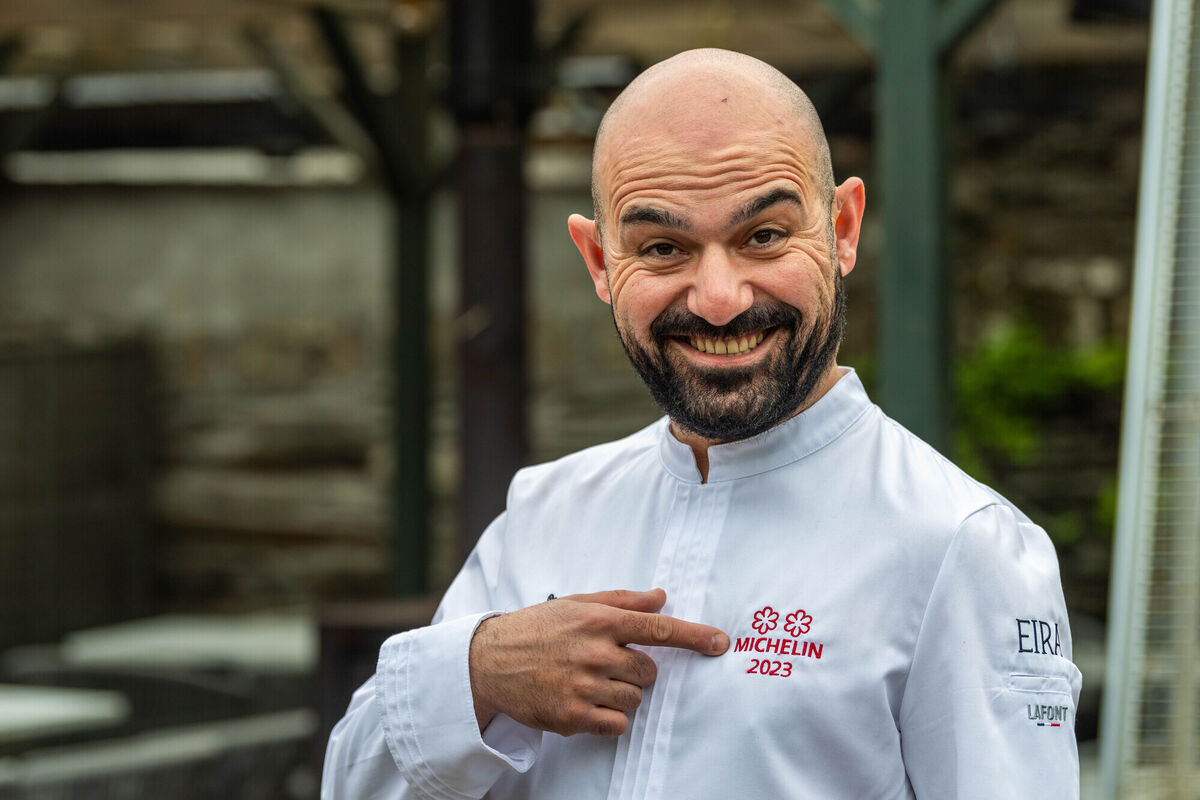
West Cork Michelin Star Chef, Rob Krawczyk: 'I’ve worked in a lot of countries around the world and I still think ours is far superior. We’ve always had the producers and the people are so passionate about what they do.'

In more remote tourist destinations, a Michelin star can mean a steady flow of trade throughout the year, even when neighbouring restaurants are forced to close in the off-season.

Maria Archer, owner and partner at Dede in Baltimore, said that there is a cohort of people who travel and holiday around the world just to eat at Michelin-star restaurants.

“They understand that they’re going to get a high-quality level of food and service, that it will meet their expectations, and people travel for this,” she said, adding that West Cork is increasingly attractive, with a number of Michelin star restaurants in the holiday location.

“We’re in a seaside holiday destination, so for us, it smoothes out our year. We’d always be full during the summer, but what this does is attract people who travel to us year round,” she said.

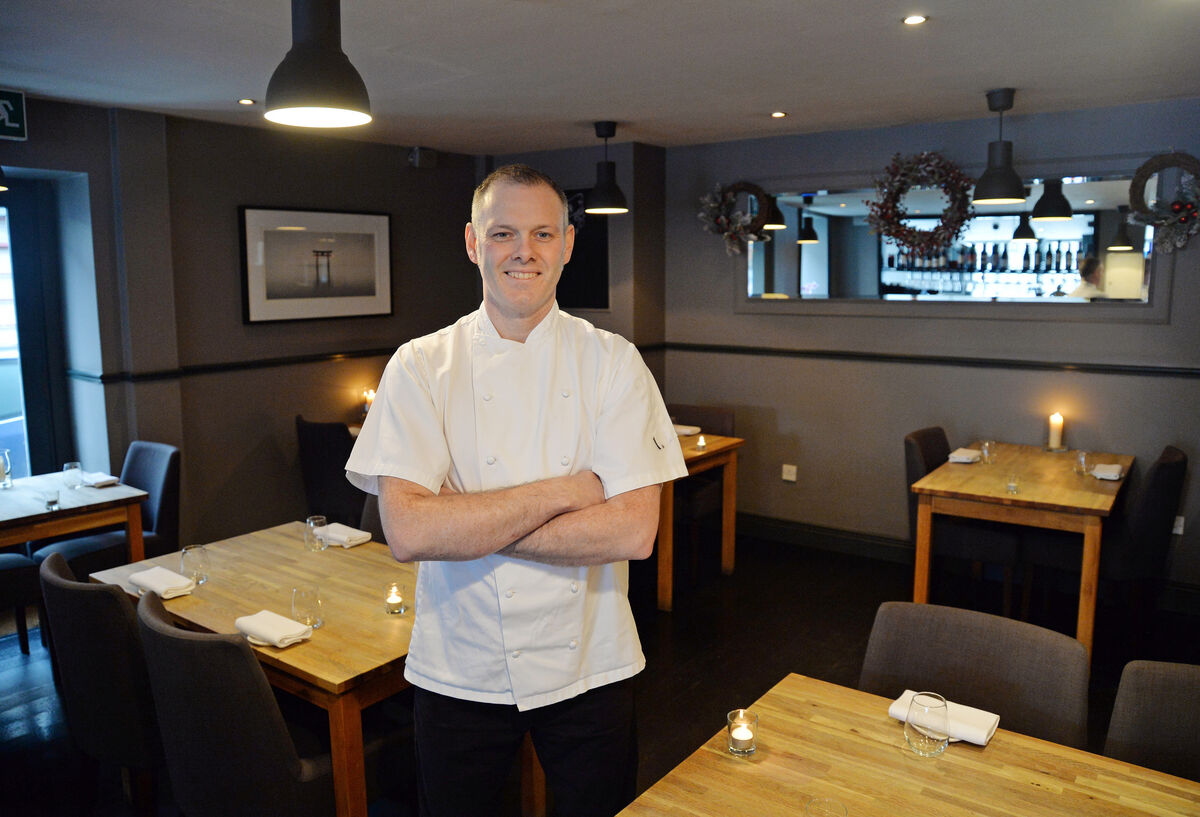
Paul McDonald, head chef and owner of Bastion in Kinsale, agrees that their Michelin star is what keeps their “head above water” in the off-season.

“We’ve always held our heads above water, even in the off-season, we’re lucky that way and I put that down to the Michelin star,” he said.

“I know a lot of restaurants [in Kinsale] that close for eight to 12 weeks, maybe they close up for December and they reopen in March… We don’t, we close for four weeks [in the year] and we kind of force ourselves to do that. We’re not as busy in the winter time, but definitely, enough to warrant staying open,” he added.

Costs and profits

However, those thinking that an increase in customers with a star will automatically translate to an increase in profits should beware, as Cork restauranteurs all mention the increased costs associated with meeting Michelin’s expectations.

Mr McDonald says that the costs around ingredients, labour, and even tableware mean that he makes about 3-4% profit on each of his 12 covers per night — about the same as cheaper neighbouring restaurants in Kinsale that might do 100 covers in the same evening.

Paul McDonald, chef proprietor of Bastion, Kinsale: 'The actual prime ingredient that you’re putting on the plate has to be the best, and that costs money.' Picture: Denis Minihane

“The actual prime ingredient that you’re putting on the plate has to be the best, and that costs money… and as much as you’re trying to cut down on waste you’re really only using the best part of the best,” he said.

“People have spent a lot of money, so you need to give them time and talk about the wine or the food, and that’s labour… Even just the plates you’re putting it on, the plates we use are anywhere between €98 and €107 euro per plate.

“Yes it’s €130 for dinner, but percentage-wise we’re probably making the same percentage as another restaurant that’s selling the €1.75 chicken breast… it all balances out really,” he added.

Mr Miyazaki says that while he works with local produce to create his Japanese cuisine at Ichigo Ichie, specialised Japanese cooking techniques bring a heightened labour cost, as well as increasing difficulty in importing ingredients he can’t source here.

“Especially after Brexit, we’re kind of struggling. There’s a big Japanese supplier in the UK but we can’t deal with them anymore. Some stuff I now have to get from Japan, that’s another cost as well,” he said.

Cork resurgence

While Dublin has for decades dominated the Michelin Guide for Ireland, in the mid-70s when Irish restaurants first began to feature in the star-studded list, Cork was the crown jewel of the country’s fine dining offering. Ireland gained its first two Michelin-star restaurants in 1974, The Russell Hotel in Dublin which closed the same year, and Arbutus Lodge in Cork City. The next year, all three restaurants awarded a star were in Cork, as Arbutus Lodge was joined by Ballylickey House near Bantry and Ballymaloe House in Shanagarry.

For almost ten years Cork was home to the only Michelin-star restaurants in the country, apart from an appearance by Armstrong’s Barn in Wicklow in 1978.

After a decline in the intervening decades, Cork’s Michelin offering has grown to rival Dublin’s in the past five years, as Cork’s current five Michelin-star restaurants (Terre, Ichigo Ichie, Chestnut, Bastion, and Dede) are drawing close to the six on offer in the capital.

As Cork is experiencing a resurgence of star-studded fine dining, those behind the county’s growing number of Michelin-grade restaurants say the coveted award impacts business in the whole area, and that Cork’s world-class producers are a secret ingredient to success.

Tourism impact

Michelin restauranteurs who have found themselves nestled in small West Cork towns report that the star brings a boost to the entire region.

Ms Archer from Baltimore’s Dede said the whole area had a lift since they got their first star in 2021.

“The hotel around the corner had already written to us and said this is amazing, that the bookings are coming in fast and furious… People will come, and some of them will fly in to eat with us for just one night, but more than likely they will eat in other areas, so the whole village of Baltimore, the whole surrounding area will get a boost,” she said.

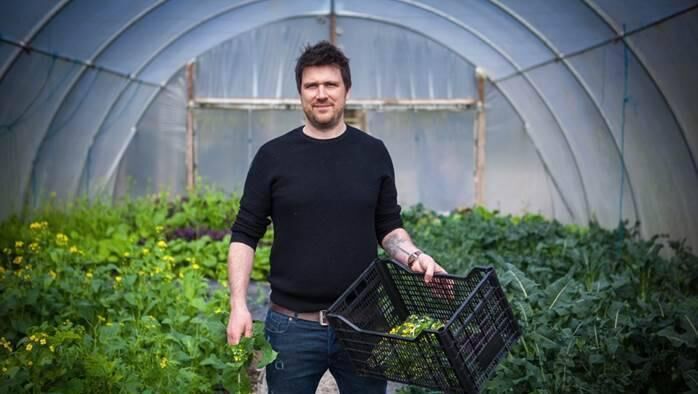
Rob Krawczyk, owner and head chef at Chestnut in Ballydehob, added a lot of other restaurants have opened up in the area since they received their star in 2019.

“A Michelin is world recognised, it brings people from abroad, from all over Ireland, local people, and they spend money in the community. It highlights the town and West Cork, the produce, it’s huge in that respect. Everyone understands a Michelin (well, 90% of people),” he said.

Cork’s secret ingredient

When asked what the secret ingredient is to Cork’s rising prominence in the pages of the Michelin Guide, restauranteurs here unanimously say the local producers, who equally thrive on the business brought in by Michelin star trade.
Dede’s Maria Archer says that supplying a Michelin-star kitchen is a huge boost for their producers, and their steady business encourages others to begin producing.

“For them, it’s an immense sense of pride and achievement, and it also helps for other people who are thinking of coming down [to West Cork] and doing something or opening a business,” she said.

 Executive chef and co-owner of Dede in Baltimore, Ahmet Dede, is justifiably proud of his second Michelin star. Picture: Andy Gibson.
Executive chef and co-owner of Dede in Baltimore, Ahmet Dede, is justifiably proud of his second Michelin star. Picture: Andy Gibson.

“They know there is going to be a ready market for it because there are ourselves and other restaurants in the area who are going to look for that quality,” she added.

Paul McDonald of Bastion says that Cork’s produce is the main reason behind the recent “resurgence” in Michelin-star restaurants and that his suppliers go above and beyond to grow specifically for his menu.

“What we have down here in Cork is unbelievable. It’s really, really amazing. I have three or four guys that grow for me, and a couple of weeks ago they were all on the phone to me asking what I want this year. Where else would you get that?... I’m a tiny restaurant, I do 12 covers a night, but they’re willing to put stuff in the ground, plant it, nurture it and feed it for me. That’s pretty cool,” he said.

Chestnut chef Rob Krawczyk agrees that the quality of local produce is the reason Cork is currently racking up Michelin stars.

“I honestly think it’s some of the best in the world. I’ve worked in a lot of countries around the world and I still think ours is far superior. We’ve always had the producers and the people are so passionate about what they do. It’s there, all the ingredients are there, we just need to use them,” he said.

Challenges for growth

When asked what could be done to help further boost the fine dining industry across Cork, Maria Archer says that their number one problem at Dede in Baltimore is accommodation for staff, and it is “absolutely” holding their business back.

“The biggest problem that everybody has at the moment is accommodation… We would get a lot of CVs for different positions, particularly the kitchen, but accommodation has been our biggest nightmare this year and last year,” she said.

She mentions the old railway building in Baltimore owned by Fáilte Ireland, previously leased out as a sailing training centre, which she says has been lying idle for around ten years.

“Particularly now there should be more support for restaurants who need staff accommodation… that allows us to be able to do something. Fáilte Ireland could release some of the buildings that they own that are completely empty, and allow us to put staff in there,” she said.

Also located in rural West Cork, Chestnut’s Rob Krawczyk said that while some people are willing to travel to work for them, transport and accommodation are “always an issue”, both for staff and for customers.

“Transport and things like that are always an issue remotely, for people getting to and from, and accommodation, but they kind of work hand in hand. The more places that are open, the more accommodation there’ll be, it’s kind of a delicate balance,” he said.

“In Ballydehob, accommodation and transport, even staff accommodation, they’re all things that are challenges for us. I don’t know how they will be sorted, because everyone’s having the same issues, but we just need to look at sorting it somehow,” he added.

Read More

x

More in this section

The Business Hub

Newsletter

News and analysis on business, money and jobs from Munster and beyond by our expert team of business writers.

Cookie Policy Privacy Policy Brand Safety FAQ Help Contact Us Terms and Conditions

© Examiner Echo Group Limited