For fear or money, consumer giants are staying in Russia
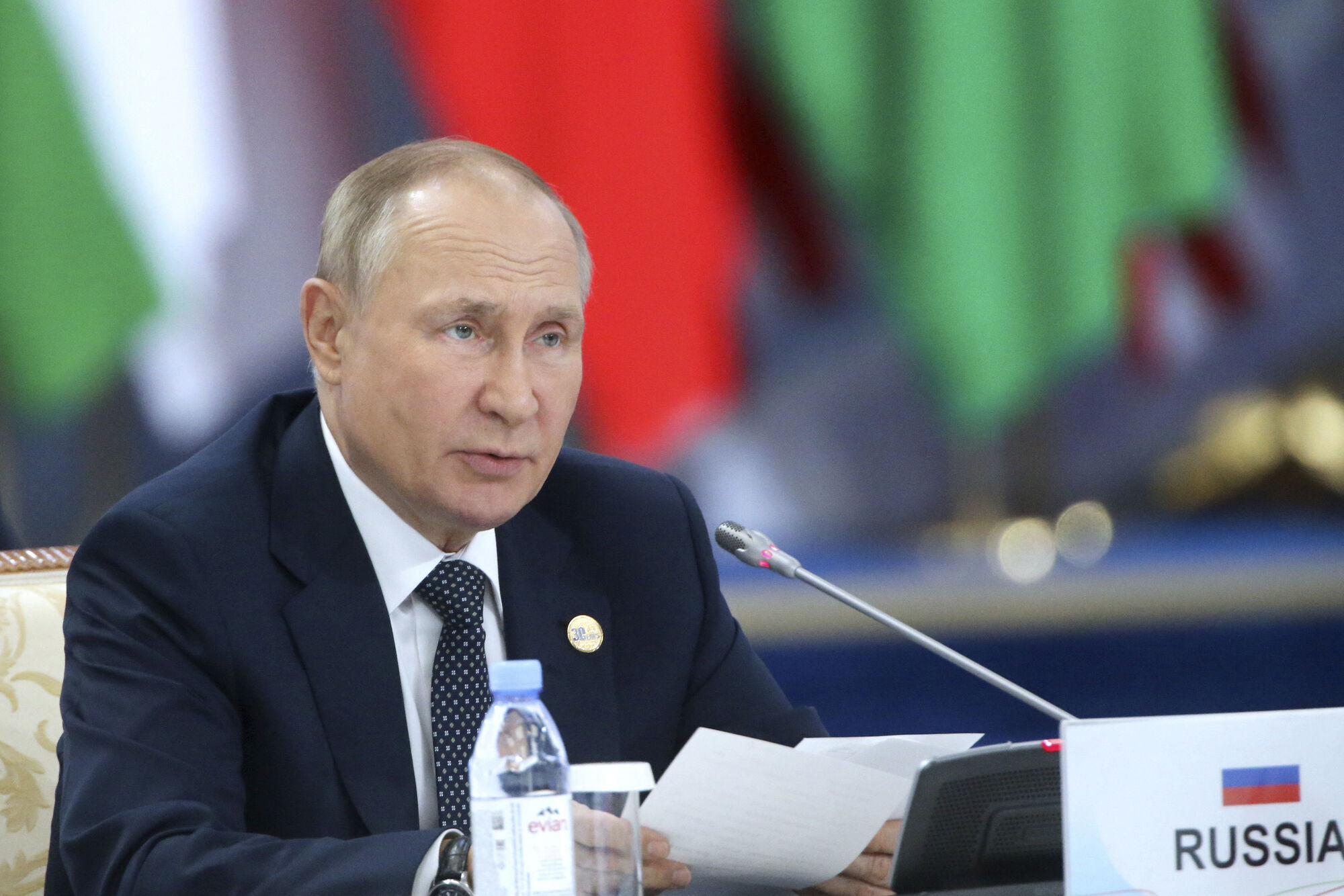
Russia has clamped down on deals and now requires a 50% discount on any sale. Picture: Konstantin Zavrazhin/AP
It’s been nearly a year since Russia invaded Ukraine, but shoppers in Moscow can still get Activia yogurt, Oral-B electric toothbrushes, and L’Oréal serums.
Some products are left over from the days before president Vladimir Putin sent troops across the border, but many goods continue to be supplied by American and European companies with outposts in the pariah state.
Even if these companies changed their mind about staying in the face of mounting legal and reputational risks, the Kremlin is now making it more expensive to leave.
While there are no Western sanctions on the everyday consumer sector, restrictions on Russian banks and individuals have made operating in the country more difficult.
Groups that have been open about their choice to stay, such as Colgate, Procter & Gamble, and L’Oréal, have a complicated balance to strike. They must protect their bottom lines and local staff, retain a foothold in a major market, and not come across as morally compromised, even as they pay taxes to the Kremlin.
Outgoing Unilever CEO Alan Jope has said that he has a responsibility to the 3,000 employees in Russia, and that he doesn’t want Unilever’s four in-country production sites to fall into the hands of pro-Kremlin tycoons or the state itself.
Carlsberg warned of the risk that Russian authorities could nationalise a business to keep its workforce at pre-war levels, if they suspect it is being deliberately stripped of value.
In response to this claim, Kremlin spokesman Dmitry Peskov pointed to the labour laws in place to protect workers in Russia. “It’s a lengthy process”, he added.
These challenges help explain why many promised corporate departures simply never materialised.
Strepsils maker Reckitt Benckiser said in April that it would transfer ownership of its Russian business to a third party or local employees, but so far has failed to do so.
Danone announced its exit in October, but has yet to find a buyer. Tobacco maker Philip Morris International, which had planned an exit by the end of last year, said it was still struggling to obtain Russian approval.
Few companies have been as decisive as McDonald’s, which sold its Russian restaurants in May, three months after the war began. But such a move is no longer so easy.
There are fewer potential buyers who aren’t subject to sanctions, and the Kremlin has been increasingly unwilling to approve Western sales.
“The later you leave, the harder it is,” said Nabi Abdullaev, partner at the advisory firm Control Risks. Russia has clamped down on deals and now requires a 50% discount on any sale.
Another factor is that, because Russia’s economy didn’t perform as badly as expected last year, only shrinking 2.5%, there still is money to be made, at least in the long term.
Unilever warned investors of the financial risk attached to leaving the Russian market. Separately, British American Tobacco increased its projections for potential losses should it make an exit.
To stay and take advantage of what could still prove to be a profitable market, companies have performed ring-fencing manoeuvres, handed power over to local executives, stopped advertising and investment, and conducted sanctions audits to avoid doing business with blacklisted banks and individuals.
While Unilever, Colgate, and P&G have defended their decision to provide only “basic” or “essential” goods to the Russian market, they have yet to detail how their range has narrowed.
To avoid the headache of dealing with sanctions, for instance, Unilever has committed to not taking any profits out of Russia. Matt Close, head of the ice cream unit that sells Cornettos in Russia, said the strategy is under review. “The business is effectively a closed loop business,” he said.
Companies selling food or personal care products also run a high risk of being inadvertently pulled into the war effort, especially if Russia switches to a “wartime economy.” Mr Peskov, the Kremlin spokesperson, denied that companies would be forced to take part. Still, draft notices were sent to people’s places of work during the fall mobilisation of 300,000 additional troops, and multinationals have lost workers to conscription and immigration.
The expected ramp-up of fighting this spring will likely add to corporate anxieties, both on the ground in Russia, and in businesses’ home countries.
- Bloomberg
CONNECT WITH US TODAY



Be the first to know the latest news and updates