Nestle upbeat on replacing meat with plant proteins despite demand dip
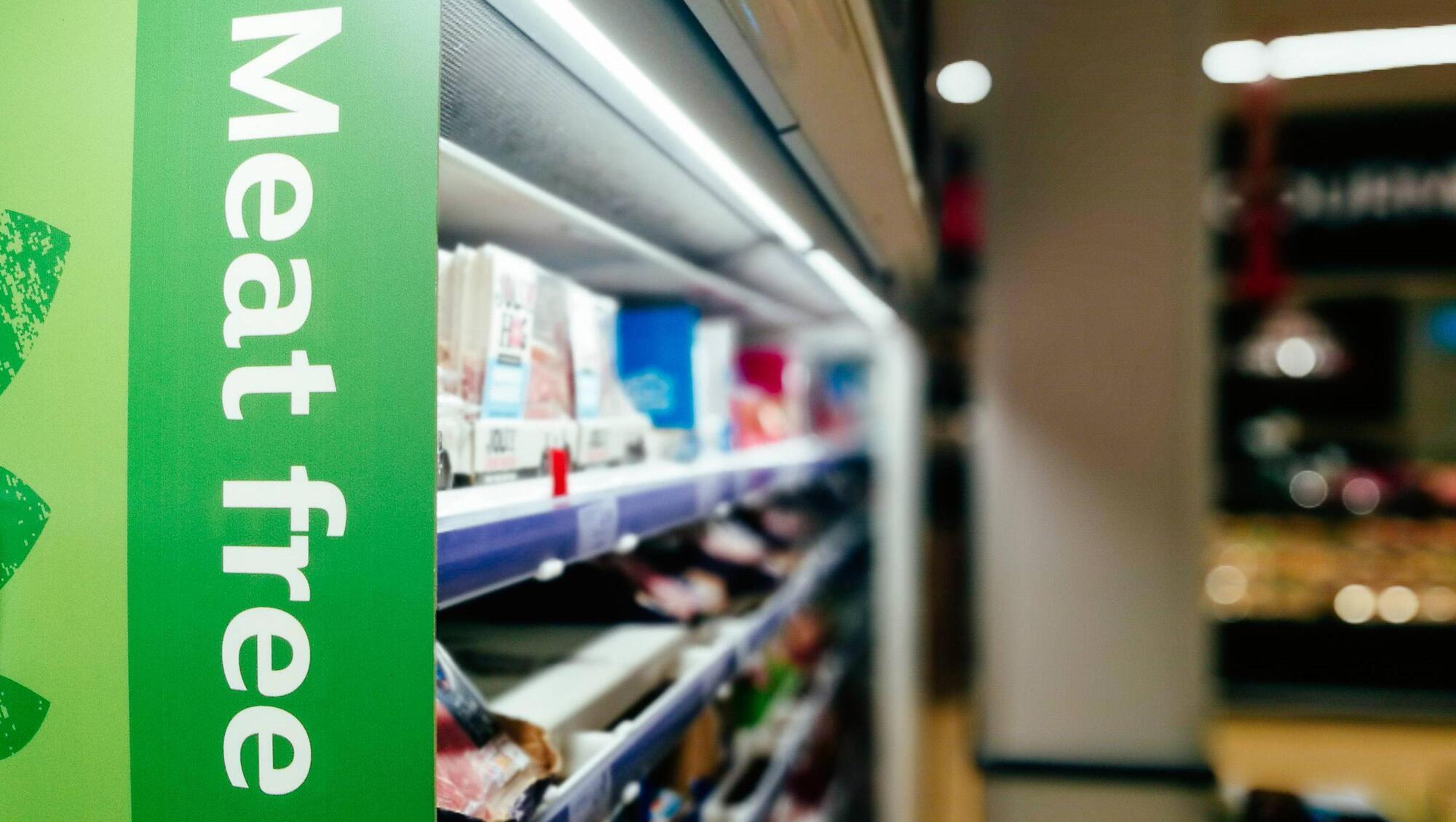
Like the initial boom in craft beer, many investors piled into the faux meat market based on overly optimistic expectations of consumer uptake, Nestle said.
A recent fizzle in the hype surrounding plant protein consumption will give way to a more sustainable growth trajectory that could see the segment account for 30% or 40% of the global protein market, according to a top Nestle executive.
Like the initial boom in craft beer, many investors piled into the faux meat market based on overly optimistic expectations of consumer uptake, chief technology officer Stefan Palzer said in an interview.
“When craft beer came on the market, everybody wanted to have it,” Mr Palzer said. “Then there was a dip in demand and then it slowly grew back over many years to a significant business. I think that’s what we will also observe here,” he said.
Plant protein makers that benefitted from a greater emphasis on health in the early stages of the pandemic have struggled as inflation pushes consumers to less expensive options, including the animal meat they hoped to replace. Once an investor darling, Beyond Meat in the US has lost more than 80% of its value in the past year as discounting products in the US and abroad hurts profitability. And some fast-food chains have pulled back from faux meat offerings after lacklustre demand.
While the market may have been disappointed by plant protein sales of late, Nestle is still seeing “quite good” performance in the segment, said Mr Palzer, who leads Nestle’s research and development. He’s preparing for steady consumption growth in the years ahead by building the plant protein portion of his global R&D team to 10%, or 300 people.
The Switzerland-based firm will continue to develop meat replacements, but also has turned to products that use both animal and non-animal proteins — such as an ambient mix that can be added to eggs to boost volume and affordability, or including plant ingredients in dairy protein drinks.
“We believe in the potential,” he said. “But the potential is beyond the pure alternative ingredient. It’s to use plant proteins to innovate in many parts of our portfolio,” he said.
In the US, McDonald’s faux meat burger made by Beyond Meat hasn’t gone any further than just a limited test. But the chain has expanded the plant-protein burger across all of the UK and Ireland. Mr Palzer said it’s inevitable that plant-based goes mainstream.
“There’s no way around that because we cannot continue with the same amount of meat and fish and chicken like we consume today,” he said. “So plant-based has to go mainstream simply cause there’s not enough animal protein,” he said.

CONNECT WITH US TODAY



Be the first to know the latest news and updates