Nestlé boss warns shoppers to expect more price increases
Until now, consumers have absorbed higher prices — but inflation has seen Nestlé's sales ease back 0.2% in Q3
Nestlé boss warns shoppers to expect more price increases

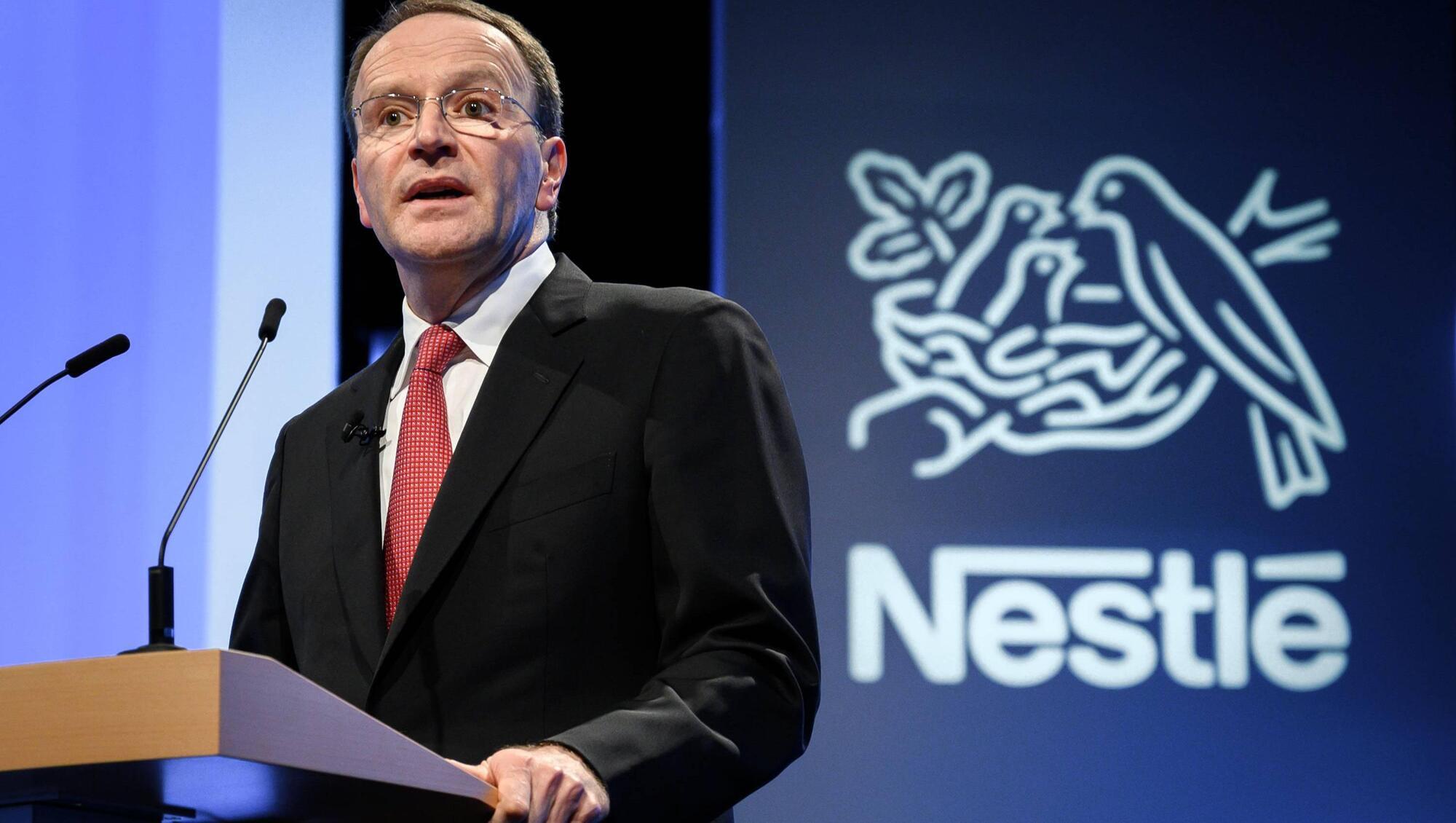
Nestlé CEO Ulf Mark Schneider said: 'We are seeing huge upward pressure on energy, some of the agricultural commodities, and also transportation costs.' File picture: Fabrice Coffrini/AFP/Getty

Nestlé chief executive Ulf Mark Schneider said inflation will remain an issue in 2023 even after the world’s largest food maker pushes through the biggest price increases in decades this year. 

“This is a situation no one wished for,” Mr Schneider said in an interview.

“We are seeing huge upward pressure on energy, some of the agricultural commodities, and also transportation costs.”

The volume of goods sold eased by 0.2% in Q3 as Nestlé raised prices 9.5%.

Until now, consumers have been willing to absorb higher costs despite a spike in inflation that has squeezed household budgets and lifted manufacturers’ raw material costs.

Nestlé has not passed the entire rise in input costs on to consumers, the CEO said.

The impact of higher energy prices in Europe also risks stifling demand for Nestlé as cash-strapped consumers switch to cheaper products. Wages will add to cost pressure next year with negotiations in most countries to take place by the first quarter, Mr Schneider said.

The maker of Nespresso coffee pods and Purina pet food said for 2022 it expects full-year revenue growth of about 8%, the top end of its previous forecast range.

The group confirmed its 17% operating margin target for the year, which would be the second consecutive annual decline.

Concerns have been rising that makers of branded packaged goods may start to lose market share to private label producers.

Sales volumes eased by 0.2% in Q3 as Nestlé raised prices 9.5%. File picture

Inflation is soaring, with the rate in the eurozone hitting a record 10% last month.

In the UK, prices for food and non-alcoholic drinks rose 14.6% in the year to September.

The quarterly drop in volume suggests the strategy of increasing prices may bump up against a limit but analysts weren’t overly alarmed.

In a research note, an analyst with Bernstein, Bruno Monteyne, said there is “no sign of imminent consumer doom yet,” adding:

The company keeps doing what it always does: Strong growth, diversified strength, and no surprises.  

While Purina and Nescafé led growth, dairy, ice cream, prepared meals and cooking aids showed signs of softening demand.

At Nespresso, volumes declined and European sales dropped after a strong 2021, when growth was in double digits.

Meanwhile grocery giant Procter & Gamble beat estimates for quarterly sales and profit, as price hikes on everything from Head & Shoulders shampoo to detergents helped blunt the impact of higher raw material costs and a stronger dollar.

P&G shares rose 3%, as it also maintained its full-year organic sales growth forecast even as inflation squeezes consumer spending.

Demand for household consumer goods has so far fallen at a slower pace than discretionary products such as clothes and electronics, as consumers prioritise spending on essential items.

  • Bloomberg

x

More in this section

The Business Hub

Newsletter

News and analysis on business, money and jobs from Munster and beyond by our expert team of business writers.

Cookie Policy Privacy Policy Brand Safety FAQ Help Contact Us Terms and Conditions

© Examiner Echo Group Limited