Superdry returns to profit but consumers begin reining in spending
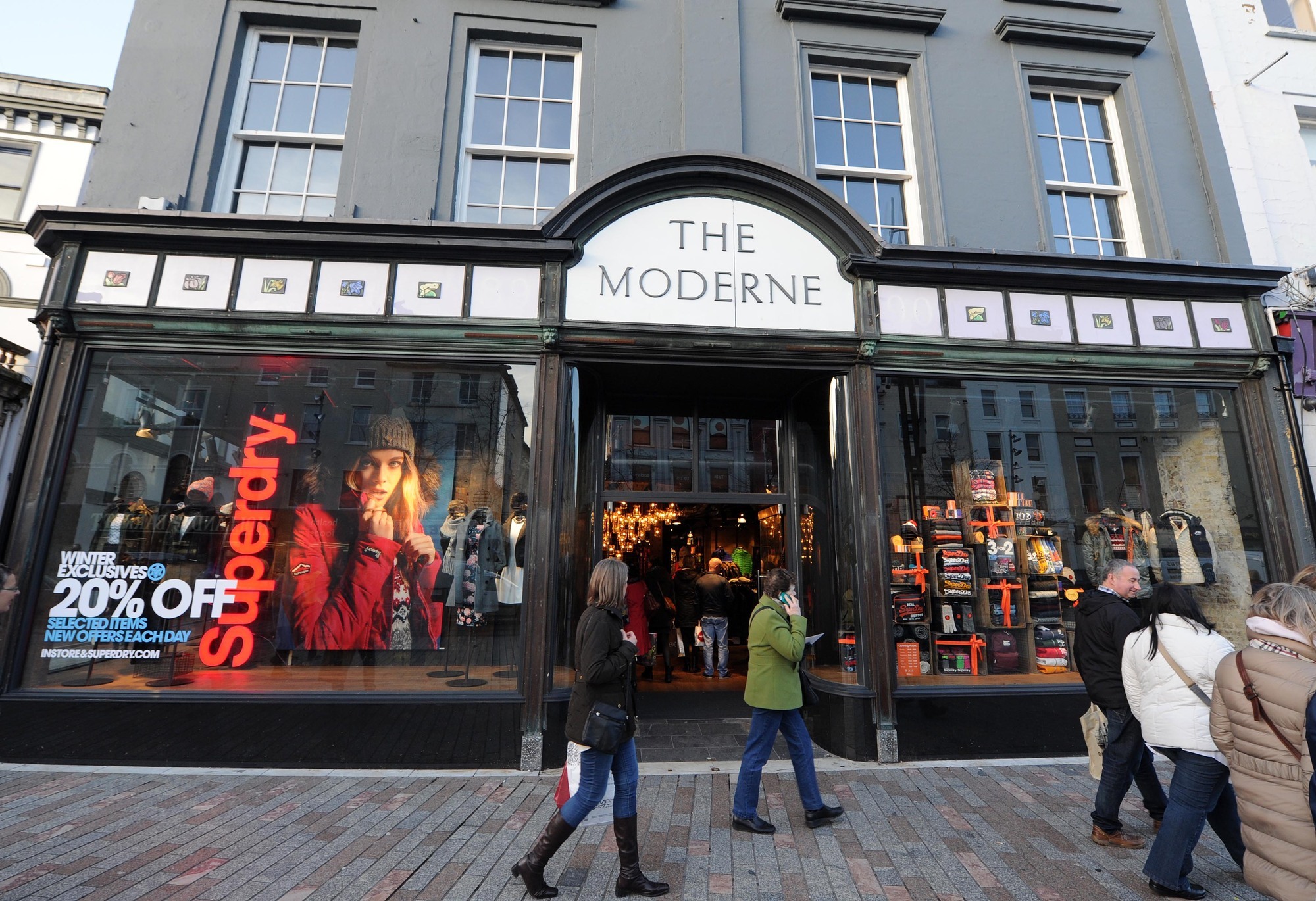
Superdry made an adjusted profit before tax of €25m versus a loss of €14.4m in the previous year.
Fashion group Superdry returned to profit in the year to April 30 but said it was cautious on the near-term trading outlook as the UK and Europe's retail market remained under severe stress over rising inflation and the cost-of-living crisis.
The company, best known for its sweatshirts, hoodies, jackets and coats, said its current asset-backed lending facility of up to £70m (€80m) is due to expire at the end of January 2023.
Superdry said it had held positive discussions with prospective lenders but had not yet secured committed funding beyond January.
The group made an adjusted profit before tax of £21.9m (€25m) versus a loss of £12.6m (€14.4m) in the previous year.
"The directors acknowledge that, until these discussions conclude, a material uncertainty exists around the going concern of the group, although we remain confident of a positive outcome," it said.
Shares in Superdry rose by more than 10% on the back of the results. However, they came on the same day that new figures show British retailers saw their slowest sales growth last month since shops reopened after Covid-19 lockdowns as consumers reined in spending amid a worsening cost-of-living crunch.
A survey from business advisory firm BDO said total like-for-like sales in September increased by 2.8% year-on-year. That outcome followed a rise of 3.6% in August, which was the previous lowest post-Covid performance.
"The actual performance for retailers may be even worse than these results suggest. With rising inflation, data suggests that the actual volume of sales is down significantly while it is higher prices that is driving the growth," Sophie Michael, BDO's head of retail and wholesale said.
BDO noted sales growth in the final week of September dipped to 1.33%.
It also highlighted a disappointing month for the homewares sector, where total like-for-like sales fell 6.3%.
"Having spent significant sums refreshing their living spaces during Covid-19 lockdowns, many consumers are now likely tightening their belts and postponing bigger single purchases," it said.
Confidence among Britain's shoppers sank to a record low last month as they struggle with soaring inflation — even before the government's new economic plan sent mortgage rates surging and sparked fears of a sharp drop in house prices.
UK workers wages are failing to keep pace with inflation that reached 9.9% in August.
Several British retailers including Tesco, Next and Primark have recently cut their profit outlooks.
It was a similar case in Germany, where new data shows consumers were particularly reluctant to spend on food in August. The country's statistics office said retail food sales were down 1.7% on the month and down 3.1% on the year — the lowest in more than five years.
"When looking into their wallets, many consumers will continue to put the brakes on spending," said Alexander Krueger, economist at private bank Hauck Aufhaeuser.
With sky-high energy prices weighing on both consumers and industry, an economic recession seems inevitable, said ING economist Carsten Brzeski.
"The only question is how severe such a contraction or recession will be," he said.