John Lewis plunges into loss due to 'cost-of-living crisis'
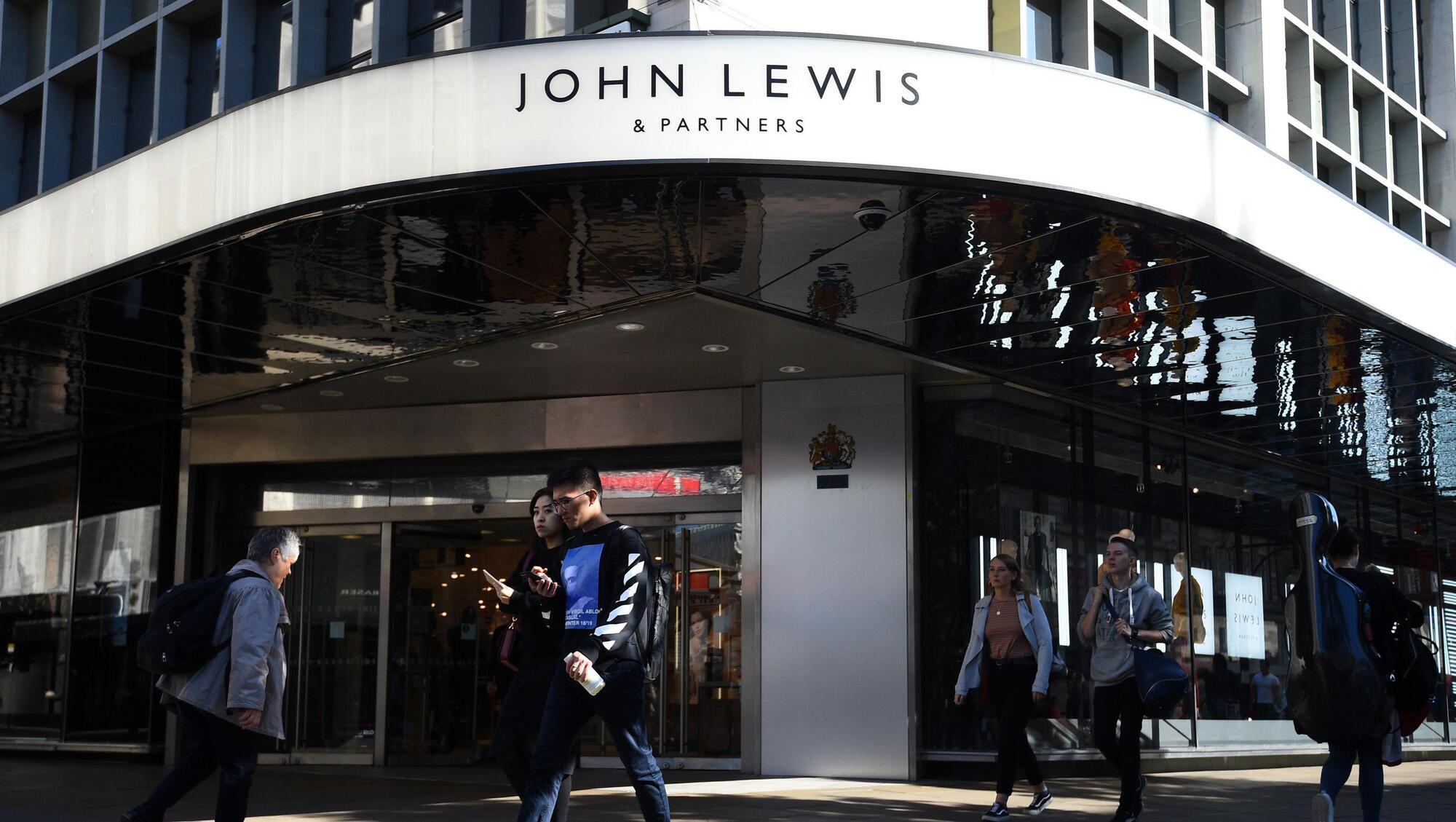
John Lewis posted a loss of €114m in the first half of the year.
John Lewis blamed the UK’s “unprecedented cost-of-living crisis” as it posted a loss of €114m in the first half of the year.
The pre-tax loss widened from £29m (€33m) a year earlier, with the company, which is owned by its employees, saying it had chosen to protect both customers and staff from soaring inflation.
Workers will be given a £500 (€574) one-off bonus, while entry-level pay will increase 4%. John Lewis had already said it would provide free food to employees, including hot meals, during winter.
“We are forgoing profit by making choices based on the sort of business we are,” chairman Sharon White said, “by helping our partners, customers, communities and suppliers”.
“The outlook is uniquely uncertain,” White said, due to the war in Ukraine and high global energy costs.
Excluding exceptional items, John Lewis lost £92m (€107m), compared with a profit of £69m (€79m) a year earlier.
Waitrose, its high-end grocery business, suffered a 5% drop in like-for-like sales.
John Lewis is under pressure from consumers cutting back on non-essential spending as they prioritise cash for energy bills and other crucial costs.
“We have seen customers move their discretionary spending from high margin, big-ticket household items to restaurants and holidays,” White said.
Waitrose has lost ground to cheaper competitors with shoppers changing their habits to visit discount supermarkets Aldi and Lidl.
Meanwhile, H&M is another retailer are struggling to pass on soaring costs.
H&M reported lower-than-expected quarterly sales as shoppers tighten their belts with energy and food bills soaring and the world's second-biggest fashion retailer struggles to compete with rival Zara.
Third-quarter net sales at the Swedish group were up 3% from a year earlier at €5.4bn, short of the 5% which analysts polled by Refinitiv had forecast for the June-August quarter.
"The third quarter got off to a weak start, in common with the industry in many of the group's major markets," H&M, which does the bulk of its business in Europe, said in a statement.
"Sales improved sequentially during the quarter, with a better start for the autumn collections than last year."
Measured in local currencies, sales were down 4%.
"As we saw from Primark last week, we think the more value conscious end of the sector is proving very challenging in Europe ex-UK, reflecting where pressures on household cashflow are most acute," RBC analysts said in a note, which highlighted German industry data showing falling store sales in the period.
H&M's performance substantially underperformed market leader Inditex, the owner of Zara, which this week posted sales growth in constant currency terms of 16% for its May to July quarter. The Spanish group's growth pace however slowed to 11% in the August 1 to September 11 period.

CONNECT WITH US TODAY



Be the first to know the latest news and updates