Liz Truss would review 'roles of all three of Britain's financial watchdogs'
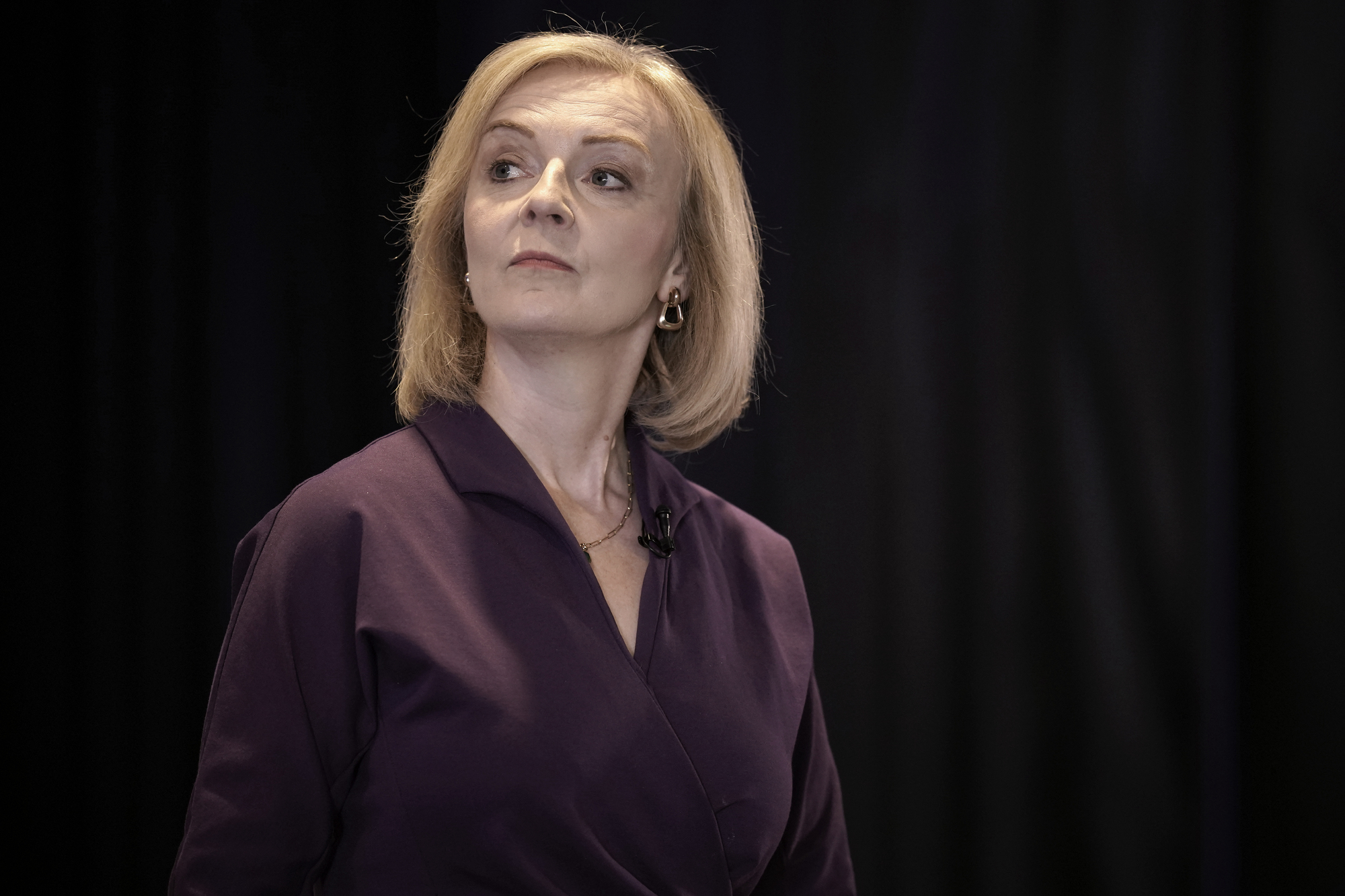
Liz Truss has pledged to cut taxes to mitigate the impact of surging prices on British households.
Liz Truss, the front-runner to become Britain's next prime minister, wants to examine the roles of the country's three financial regulators as part of a review, a source close to her leadership campaign has said.
Provided she wins the contest, Ms Truss is expected to examine the role of the Financial Conduct Authority (FCA), the Bank of England's Prudential Regulation Authority (PRA), and the Payment Systems Regulator (PSR).
"No decisions have been made on the future of regulators," the source said, asking not to be named. "She's clear that there has not been enough focus on economic growth."
The FCA, the Bank of England and the PSR declined to comment. The Financial Times first reported the story. Ms Truss, foreign minister, and former finance minister Rishi Sunak are in a Conservative Party run-off to replace Boris Johnson as prime minister, with the result to be announced on September 5.
She has pledged to cut taxes to mitigate the impact of surging prices on households. Ms Truss and her supporters have suggested the government should have a bigger role in how the Bank of England operates as inflation surges to above 10%, five times more than the bank's target level.
Bank governor Andrew Bailey has said independent regulators are part of London's standing as a global financial centre. The FCA, under its chief executive Nikhil Rathi, is undergoing an internal revamp following its botched handling of London Capital & Finance, an investment firm that collapsed, leaving taxpayers with the compensation bill.
The PRA is under pressure from insurers to allow them to invest more in infrastructure as part of a post-Brexit reform of Solvency II capital rules inherited from the European Union.
A financial services and markets bill put before parliament last month gives the FCA and PRA a new secondary objective of aiding economic growth and the financial sector's competitiveness, but some firms say it does not go far enough.
The PSR, operational since 2015, is under pressure from MPs to resist moves by Visa and Mastercard to raise fees on users of their payment networks.
CONNECT WITH US TODAY



Be the first to know the latest news and updates