The evolving relationship between influencers and brands
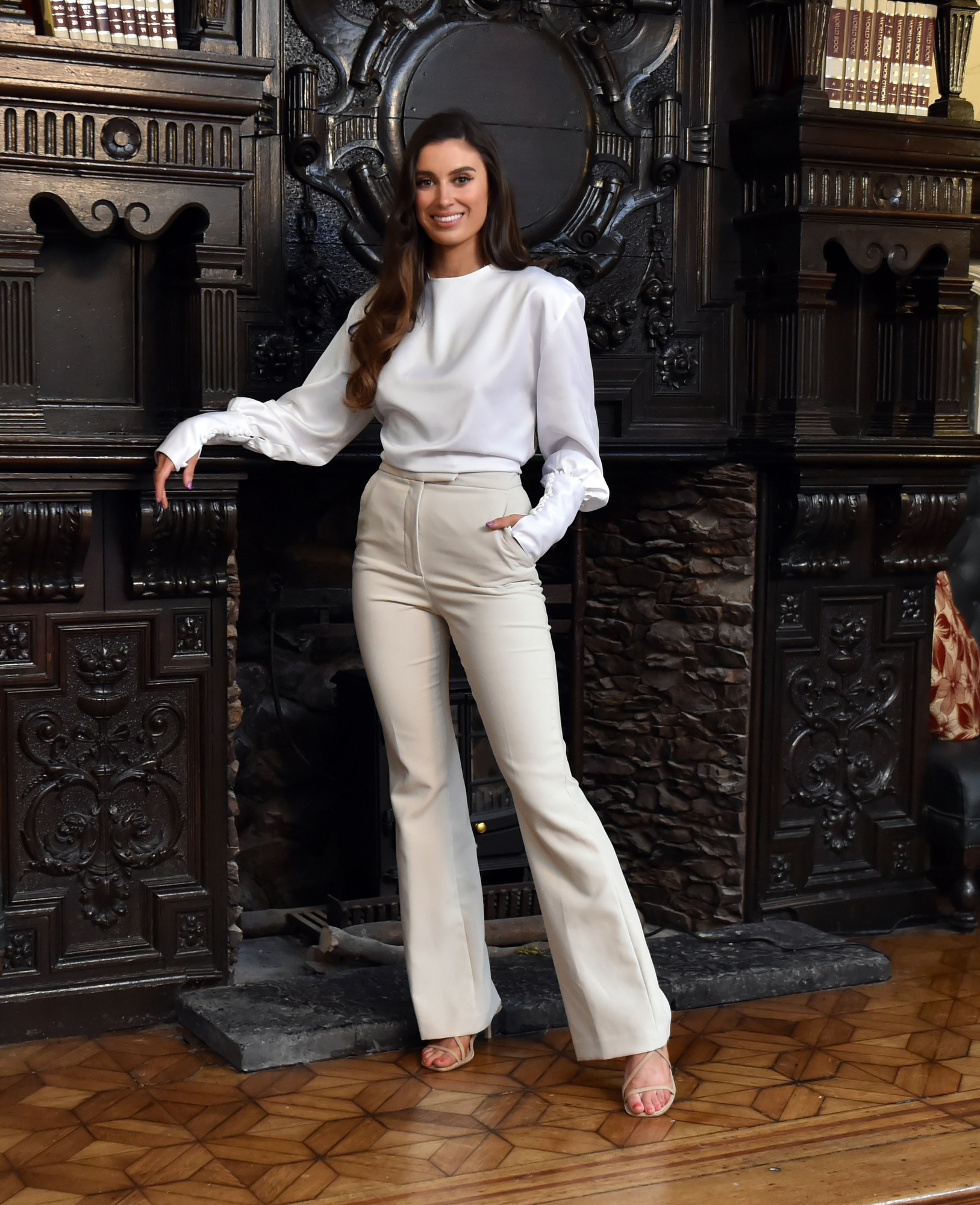
Cork influencer Aoife O'Sullivan
As the power of social media continues to grow, a new sector of marketing has been increasing in popularity – The hiring of online content creators, or influencers as they are often known.
Businesses have been turning towards Instagram and TikTok users with high numbers of followers more and more to promote their products, with 66% of marketers planning to increase their influencer budgets this year, according to the Digital Marketing Institute.
The Dublin-based institute predicts that the area is now the fastest-growing marketing channel for brands, beating out organic search, paid search and email marketing.
And the business is a lucrative one, with some creators earning thousands of euro per post. Tiktok star Charli d'Amelio, one of the highest earning influencers in the world, reportedly makes as much as €100,000 per post and earned €3.8m from 2019 to 2020, according to Forbes.
Likewise, businesses can earn as much as €17 for every euro spent on influencer marketing, the Digital Marketing Institute suggests.
A report by the US-based Influencer Marketing Hub found that the influencer market is expected to reach €15.8bn in 2022 alone.
The process for brands is simple. Businesses track down popular users, send them their products, and the user tells their followers about the item.
One Cork entrepreneur hopes to make that process even easier, however, by creating Findinfluencers.ie, a platform that helps businesses find online creators to work with.
“I came up with the idea because I was looking for influencers to promote my own business, Neighbouroo, and I knew others who were the same. There are platforms out there to help but they’re international ones and they’re very expensive, you’d be paying €3000 a month just to have access to a list of influencers to message. So I decided to make an Irish-based one,” said Ben Keohane.
“We basically find influencers, create a profile for them, and put it on the website. People can then sift through the list, message who they think might be interested, and then they can take it from there,” he added.
Findinfluencers.ie focuses on micro-influencers, who are creators with around 20k followers, and already has around 4,000 creators signed up.
For influencers though, it’s not as simple as just shooting out a few messages, however. Content creators are careful about who they choose to work with and often do a lot of research into a company before deciding to partner with them.
“I work with brands based on products I use and love. Brand image, quality and price point are important for my audience as well,” said Limerick native Louise Cooney, who has 217k followers on Instagram.
“In this day and age I think most consumers expect brands to be ethical in their ways of doing business, and I also love to support local,” she said.
Cork-based micro-influencer Aoife O’ Sullivan, who has 20.2k followers on Instagram, follows a similar approach.
“I decide who to work with based on my brand. If it’s in line with my interests and style and fits naturally into my lifestyle,” says the former Miss Ireland.
“I start by going onto the brand’s website and social media pages and then I read reviews before I tell someone they can send me a product to try. I’m also more likely to promote people who are from Cork, and people who are just starting out,” she said.
But does that mean a creator’s audience will trust their recommendations, or is there a chance that users could be turned off by having even more ads pushed at them?
According to a survey by the Advertising Standards Authority for Ireland (ASAI), over half of Irish consumers (57%) find too much sponsored content ‘annoying’.
However, 76% have used social media for tips and inspiration and 42% believe influencers are more responsible with advertising now than they were three years ago.
This may be due to the regulations now in place by the Authority, which says that where influencers are sponsored by brands or paid directly to promote a brand’s products, it must be made clear that their posts are marketing communications.
“I think people might be more likely to trust micro-influencers especially, because it feels more personal,” O’Sullivan said.
“There’s a huge gap in the market for micro-influencers. They’re more likely to work with smaller companies, will charge less, and they’re more likely to have more engagement with their followers,” she continued.
CONNECT WITH US TODAY



Be the first to know the latest news and updates